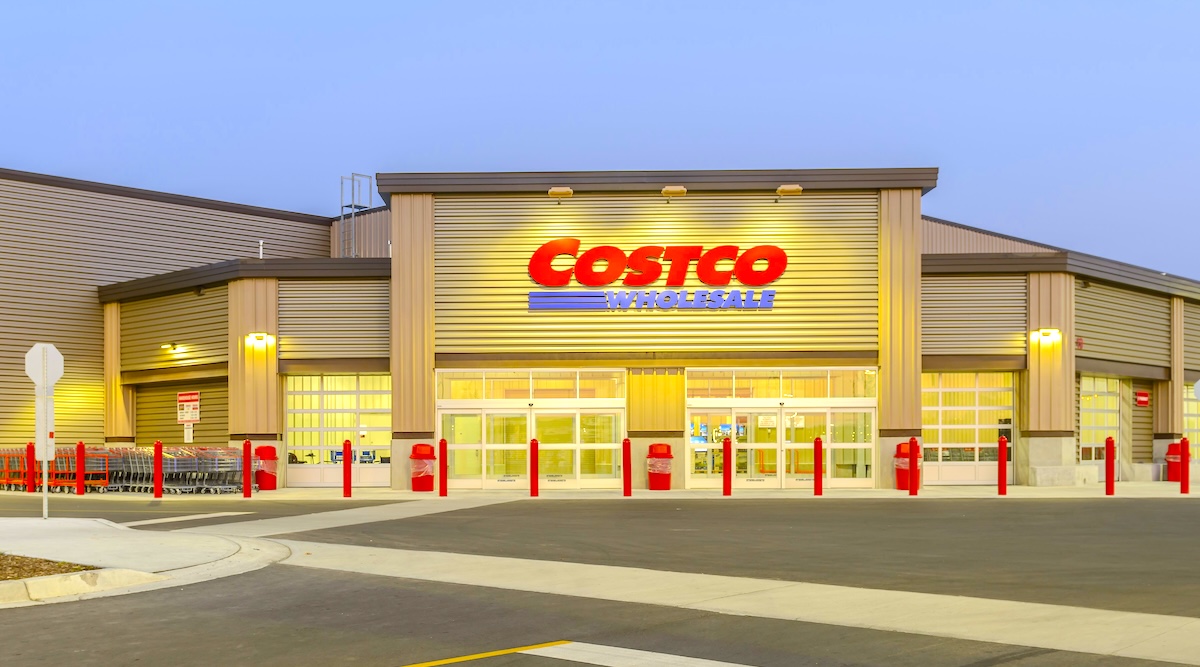
# Costco Rations Motor Oil as Geopolitical Tensions Drive Crude Prices Higher
Costco has begun rationing motor oil and raising prices in response to escalating crude oil costs tied to escalating US-Iran tensions under the Trump administration. The wholesale retailer's move signals how geopolitical conflict directly translates into consumer pain at the pump and in maintenance costs for gasoline vehicle owners.
Oil prices have surged following renewed military escalation between the United States and Iran. Crude benchmarks have climbed substantially, reflecting market anxiety over potential supply disruptions in the Persian Gulf, a chokepoint through which roughly one-third of global seaborne oil travels. Iran sits on the world's second-largest proven crude reserves, and any disruption to its exports creates immediate upward pressure across global energy markets.
Costco's rationing policy restricts how much motor oil individual customers can purchase per transaction. This mirrors scarcity management tactics typically deployed during acute supply shocks. The warehouse club simultaneously raised prices on motor oil to reflect wholesale cost increases, passing through margin compression directly to consumers. Both actions demonstrate that conventional vehicle owners bear real financial exposure to geopolitical events thousands of miles away.
The price volatility underscores a structural vulnerability in internal combustion engine markets. Approximately 70 percent of global oil consumption feeds transportation. When crude prices spike, owners of gasoline and diesel vehicles immediately face higher fuel costs and maintenance expenses. Motor oil prices track crude directly since petroleum serves as the feedstock.
Electric vehicle owners face no such exposure. EVs eliminate dependency on crude oil entirely, insulating drivers from OPEC decisions, geopolitical tensions, and supply chain disruptions in the Middle East. Charging costs instead tie to regional electricity grids, which predominantly source from renewables, nuclear power, or domestic coal and natural gas. This fundamental decoupling from global oil markets represents a hard economic advantage independent of environmental benefits.
The timing compounds existing energy security concerns. The US Energy Information Administration reported that American crude inventories have tightened in recent months. Strategic petroleum reserve releases remain limited. Refinery capacity operates near maximum utilization. These factors mean supply elasticity has diminished. Any additional disruption, whether geopolitical or weather-related, carries outsized price impacts.
Industry analysts project sustained crude volatility as tensions remain elevated. Goldman Sachs and other major investment banks have raised oil price forecasts for 2026 and beyond. Morgan Stanley warned that a full Iranian supply disruption could push Brent crude above $100 per barrel, levels not seen since 2014.
Costco's rationing appears precautionary rather than emergency-driven, but the mere fact that a major US retailer deemed rationing necessary signals market stress. Previous rationing occurred during the 1973 OPEC embargo and the 1990 Iraqi invasion of Kuwait. The current episode reflects genuine supply-side pressure, not panic buying or hoarding.
For electric vehicle advocates, the episode validates a core market argument. Tesla, General Motors, Ford, and other automakers marketing EVs emphasize long-term cost savings partly through fuel independence. Costco's rationing provides real-world validation. As geopolitical risk remains endemic to petrostates and oil-dependent markets, EV adoption offers tangible insulation from future price shocks and supply constraints.
The calculus facing consumers shopping for their next vehicle has shifted. Purchase price and electricity costs now compete directly against fuel price volatility and geopolitical exposure embedded in gasoline vehicle ownership.