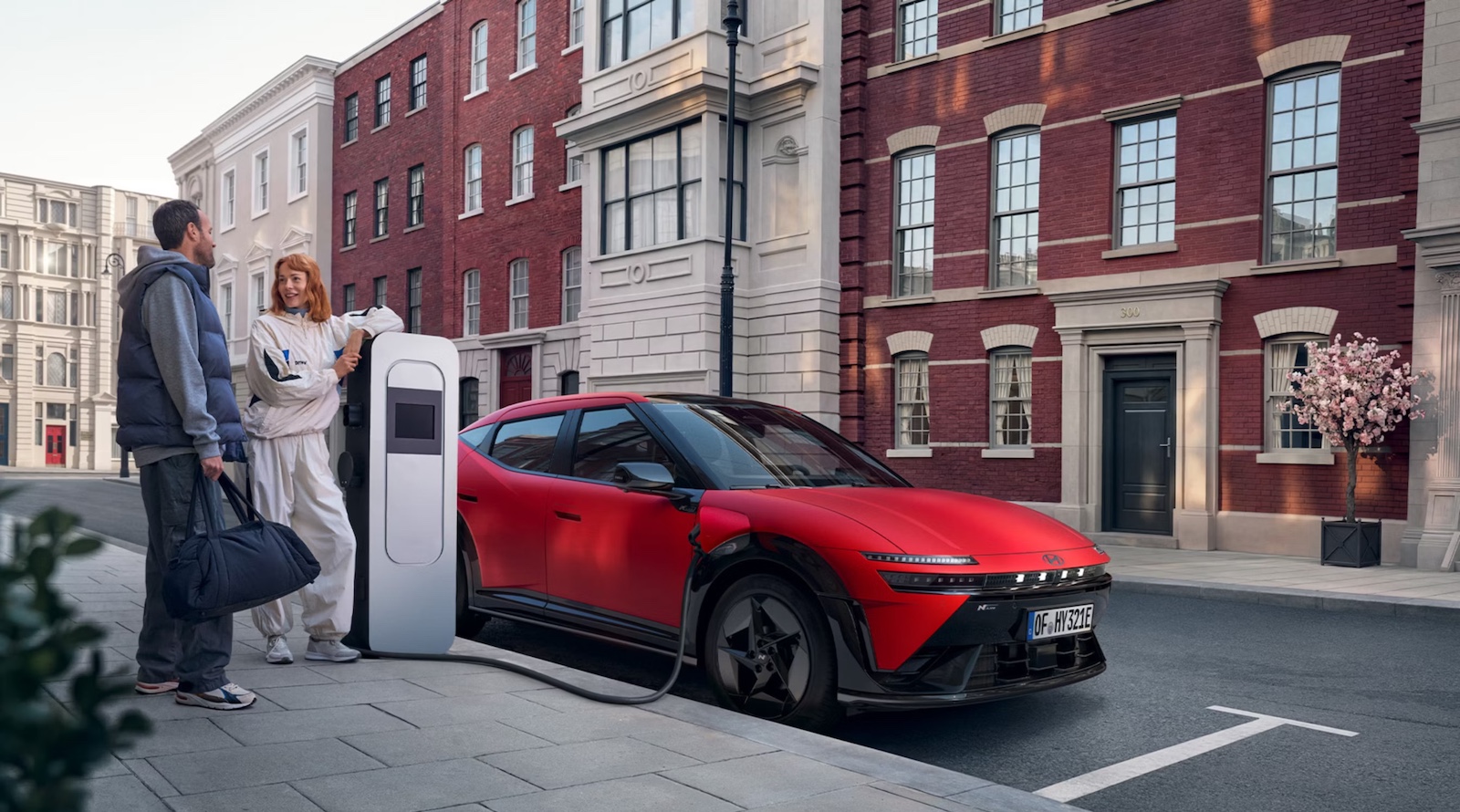
Hyundai has secured a sponsorship deal with the UEFA Champions League, positioning the South Korean automaker to reach millions of European football fans during one of the continent's most-watched sporting events. The partnership represents a calculated marketing strategy to elevate the carmaker's brand visibility in European markets where it competes against established German and Italian manufacturers.
The Champions League attracts over 400 million viewers across Europe annually, making it one of the world's most valuable sports properties. Hyundai joins other major corporations in recognizing the tournament's reach. Previous Champions League sponsors have included American Express, Gazprom, and Ford, demonstrating the competition's appeal to automotive and financial services brands seeking European market penetration.
For Hyundai, this sponsorship comes as the company accelerates its electric vehicle rollout in Europe. The automaker launched its Ioniq line of battery-electric vehicles to compete directly with Tesla, Volkswagen's ID series, and BMW's i models. European Union regulations mandate that automakers reduce fleet emissions by 55 percent by 2030 compared to 2021 levels, creating pressure for rapid EV adoption across all major manufacturers. Hyundai has committed to releasing 23 electrified models by 2030, with Europe as a primary market.
Sponsoring the Champions League serves dual purposes for the company. First, it builds brand recognition among younger, affluent European consumers who follow the tournament regularly. Second, it associates Hyundai with aspirational values like excellence, competition, and global reach. Traditional automotive advertising has shifted as consumers increasingly prioritize sustainability and innovation, both areas where Hyundai markets its EV capabilities.
The timing aligns with broader industry consolidation in Europe. Volkswagen, once the continent's dominant automaker, has faced production challenges and recalls related to battery quality in its ID series. BMW and Mercedes-Benz have maintained strong positions with premium EV offerings, while Hyundai's more accessible pricing strategy targets middle-market buyers transitioning from combustion engines. The Champions League partnership reaches exactly this demographic.
Hyundai's European sales grew 7.3 percent in 2023 compared to 2022, yet the company still trails established competitors in market share. The automaker holds roughly 3.2 percent of the European passenger car market, far behind Volkswagen Group's 24 percent share. Strategic sponsorships like this one aim to narrow that gap through cultural relevance rather than price competition alone.
The sponsorship also comes as Hyundai invests heavily in European manufacturing. The company operates plants in the Czech Republic, Slovakia, and Turkey, producing vehicles for export across the EU. Strengthening brand perception in Europe directly supports these production facilities by driving demand for domestically manufactured Hyundai vehicles, reducing dependency on exports from South Korea and enhancing the company's "made in Europe" narrative.
As European automotive regulations tighten and consumer preferences shift toward electrified powertrains, Hyundai's Champions League sponsorship functions as both immediate marketing leverage and long-term brand building. The partnership positions Hyundai within Europe's cultural fabric at a moment when the entire automotive sector undergoes transformation. Success in European markets becomes essential to Hyundai's global competitiveness as legacy manufacturers navigate the electric transition.