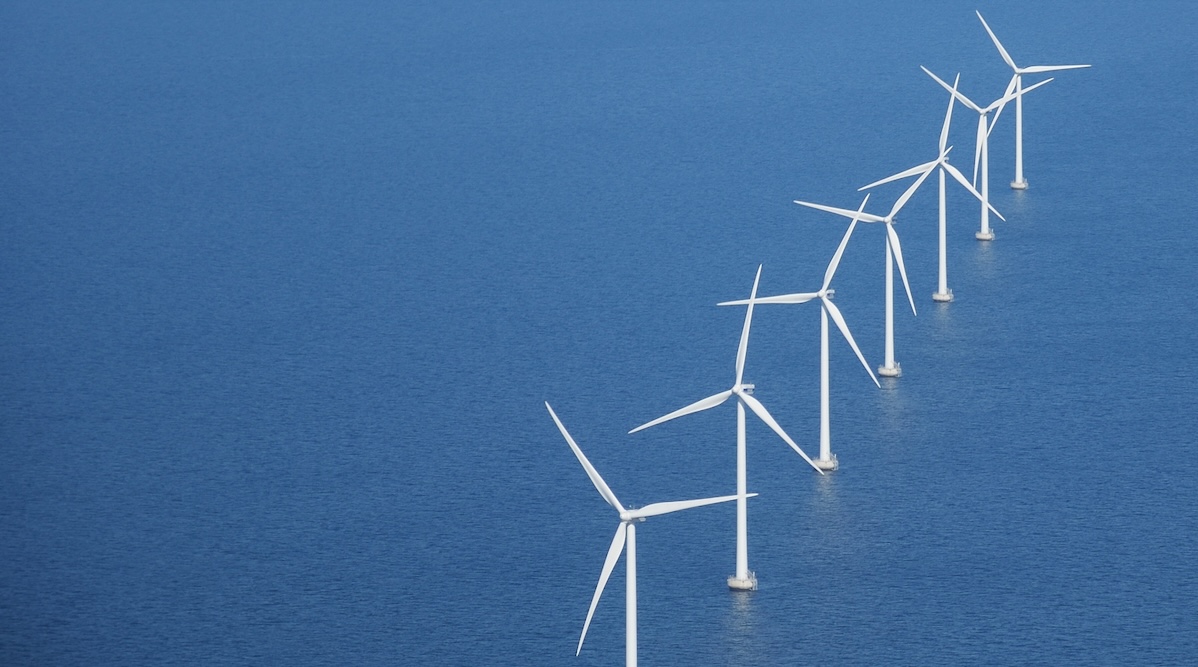
Denmark's wind turbines generated electricity at 140 percent of the nation's total demand during a recent early-morning period, marking a record-breaking achievement in renewable energy production. The surplus power demonstrates both the capacity of modern wind infrastructure and the logistical challenges facing grids built around variable renewable sources.
Denmark operates one of the world's highest wind penetration rates. Onshore and offshore turbines now supply roughly 80 percent of the country's electricity on an annual basis. Last week's 140 percent figure emerged during optimal wind conditions when demand typically falls at dawn and turbine output peaks. This combination created a situation where Denmark produced far more power than its 5.9 million residents could consume at that moment.
Excess renewable electricity does not vanish. Denmark exports surplus power to neighboring countries through interconnected transmission lines. Sweden, Germany, and Norway receive Danish wind power during periods of oversupply. These cross-border connections function as a de facto battery system, allowing Denmark to balance its grid without requiring massive energy storage infrastructure. Norway's hydroelectric dams prove particularly valuable as a flexible partner. Norwegian operators can store Danish wind energy by reducing hydropower generation, then release it later when demand or wind output shifts.
The export strategy provides financial returns. Denmark sells excess power to neighboring grids at prevailing market rates, creating revenue streams that improve the economics of wind farm investment. Utilities and grid operators across Northern Europe benefit from access to low-carbon electricity during peak wind periods.
However, the 140 percent milestone also exposes systemic vulnerabilities. Denmark's grid infrastructure assumes a certain level of predictable demand and generation. Record oversupply events strain transmission networks not designed for bidirectional, variable power flows at that scale. Engineers must continually upgrade interconnections and distribution systems to handle extreme supply scenarios.
Battery storage remains limited. Denmark has deployed some grid-scale battery systems, but costs and technical constraints prevent batteries from absorbing the full range of surplus generation at scale. The nation continues exploring alternative storage methods, including thermal storage in district heating networks and emerging technologies like hydrogen production and power-to-gas conversion. These approaches convert excess electricity into storable forms that can supply heat, transport fuel, or power during periods of lower wind output.
Future grid stability depends on continued expansion of interconnections and complementary renewable sources. Solar capacity adds generation during daylight hours when wind output sometimes lags. Diversified renewable portfolios reduce extreme swings between surplus and scarcity.
Denmark's experience provides a template for other nations pursuing aggressive renewable targets. Grid operators in Germany, the United Kingdom, and increasingly across the United States face similar questions about managing variable wind and solar output. Denmark's export-based solution works within Northern Europe's integrated energy market. Other regions must develop storage infrastructure, demand response systems, and interconnections suited to their geography and existing electricity markets.
The 140 percent achievement reflects genuine technological success rather than a sign of problems. It demonstrates that modern economies can operate wind-dominated electricity systems. Managing surplus generation efficiently determines whether that success translates into reliable, affordable decarbonization at continental scale.