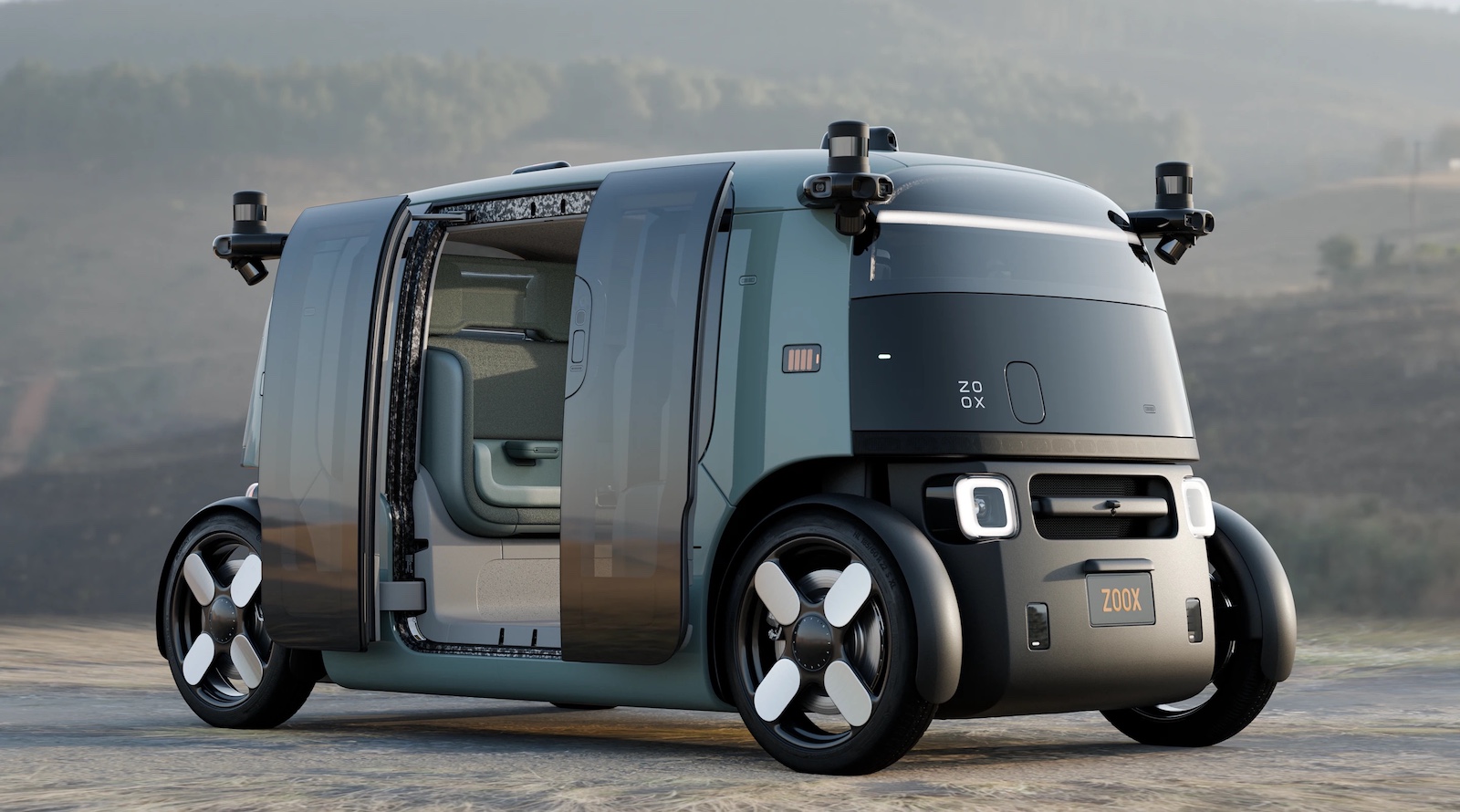
Zoox, Amazon's autonomous vehicle subsidiary, has launched robotaxi testing operations in Houston, expanding its footprint beyond existing markets and positioning itself as a serious competitor to Waymo and Tesla in the rapidly consolidating autonomous vehicle sector.
The move marks Zoox's entry into Texas, the nation's second-largest state by population and a hub for transportation infrastructure development. Houston joins other cities where Zoox operates driverless taxi services, though the company has grown its user base at a faster rate than competitors this year, according to available reports.
Zoox operates independently despite Amazon's 2023 acquisition of the company for approximately $1.3 billion. The subsidiary has differentiated itself through a purpose-built robotaxi design that differs markedly from Waymo's Jaguar-based vehicles and Tesla's retrofit approach. Zoox's custom vehicle features a squared shape optimized for urban streets, with an emphasis on passenger comfort and safety redundancy.
The Houston expansion reflects broader industry momentum toward geographic diversification. Waymo currently operates driverless services in San Francisco, Los Angeles, Austin, and Phoenix. Tesla has announced plans to deploy autonomous Cybercab vehicles, though deployment timelines remain uncertain. Zoox's faster user base growth suggests the company has achieved operational efficiencies or captured market demand in its existing markets more effectively than competitors.
Testing phases typically precede commercial launches. Zoox's Houston operation will gather data on local traffic patterns, weather conditions, and infrastructure compatibility before expanding to paid passenger services. Texas offers regulatory advantages compared to some states, with the Texas Transportation Commission maintaining a relatively permissive stance toward autonomous vehicle testing and deployment.
The autonomous taxi sector remains capital intensive. Companies must maintain fleets, invest in mapping and sensor technology, and manage insurance and liability structures. Zoox's Amazon backing provides financial runway that private competitors lack. Waymo, owned by Alphabet, similarly benefits from parent company resources.
Robotaxi deployment affects transportation emissions profiles. Autonomous electric vehicles typically consume less energy per passenger mile than human-driven cars due to optimized routing and reduced congestion. However, total emissions benefits depend on electricity grid composition and whether autonomous taxis replace private vehicle ownership or supplement existing transit options.
Houston's transportation landscape presents both opportunities and challenges. The city's sprawling geography and highway-dependent infrastructure differ substantially from San Francisco, where Waymo achieved initial success. Heat and humidity in Houston could test vehicle cooling systems and sensor performance during summer months.
Zoox's Houston entry signals that the autonomous vehicle market supports multiple operators rather than consolidating around one or two dominant platforms. This competitive fragmentation could accelerate technology maturation and deployment timelines across the industry. Each company's operational data and safety records contribute to regulatory understanding of autonomous vehicle performance.
The company's ability to scale operations while maintaining safety records will determine long-term viability. Insurance costs, liability frameworks, and passenger acceptance remain variables affecting profitability. Zoox's Houston launch represents progress toward mainstream autonomous taxi adoption, though full-scale deployment across multiple cities remains years away.