# Glowworms Return to North Yorkshire After Century-Long Absence
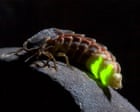
Female glowworms lit up Nosterfield nature reserve in North Yorkshire this summer, marking the first documented occurrence of the bioluminescent beetles at the site in over 100 years. Volunteers successfully reintroduced the endangered invertebrates through a low-cost breeding and release program that hinged on rearing larvae in a garden shed.
The reintroduction effort addresses a steep decline in glowworm populations across the British countryside. Lampyris noctiluca, the common glowworm, has disappeared from much of its historical range due to habitat loss, agricultural intensification, and reduced light pollution management. Once familiar sights in summer evenings across temperate Britain, the beetles now occupy fragmented pockets of suitable habitat. Re-establishing populations in former ranges presents technical challenges. Glowworm larvae require specific microhabitats, extended development periods spanning two years, and particular soil conditions that make captive breeding and release notoriously difficult.
The Nosterfield team bypassed conventional constraints through a no-frills approach. Volunteers reared larvae in a garden shed using basic methods, then released the beetles at the reserve during optimal breeding season. Multiple female glowworms persisted over several weeks, indicating successful establishment rather than transient colonization. This matters because female glowworms produce their distinctive bioluminescence to attract males for breeding. Their sustained presence signals that conditions at Nosterfield now support breeding populations.
Glowworms belong to the family Lampyridae. The glow originates from a chemical reaction in their abdomens involving luciferin and luciferase, the same compounds fireflies use. British glowworms glow only as adults or near-adults. Larvae develop underground for roughly two years, feeding on small snails. The beetles' ecological role includes natural gastropod control. Their presence also serves as an indicator of grassland and hedgerow health.
Nosterfield nature reserve, managed by the Lincolnshire Wildlife Trust, encompasses wetland and grassland habitats in the Vale of York. The reserve represents suitable habitat for glowworm reintroduction. Habitat restoration at the site, including scrub clearance and grassland management, improved conditions for both the beetles and their prey species before reintroduction began.
The success at Nosterfield offers a replicable model for other nature reserves and conservation organizations seeking to restore glowworm populations. The project required minimal funding compared to intensive captive breeding programs. Volunteer-led approaches reduce labor costs while building community investment in invertebrate conservation. The simplicity of the method contradicts perceptions that reintroductions demand sophisticated infrastructure and large budgets.
Invertebrate conservation typically receives less attention and funding than charismatic megafauna. Glowworms remain culturally resonant in Britain, embedded in folklore as "fairy folk." This cultural significance may drive volunteer engagement and public support for reintroduction efforts. Yet the beetles also represent a broader suite of invertebrates declining across Europe due to habitat fragmentation and pesticide use.
Volunteer "glow-getters" continue monitoring Nosterfield for sustained breeding success. If populations stabilize and expand, the model may scale to other reserves in northern England and beyond. Future reintroduction efforts will track population growth and genetic diversity among released cohorts. Long-term success depends on maintaining habitat conditions and limiting threats such as light pollution that disrupts beetle behavior and breeding cycles.
The return of glowworms to North Yorkshire demonstrates that some extinctions at the local level remain reversible. With targeted habitat work and volunteer labor, conservation organizations can restore populations of species once considered lost from entire regions.