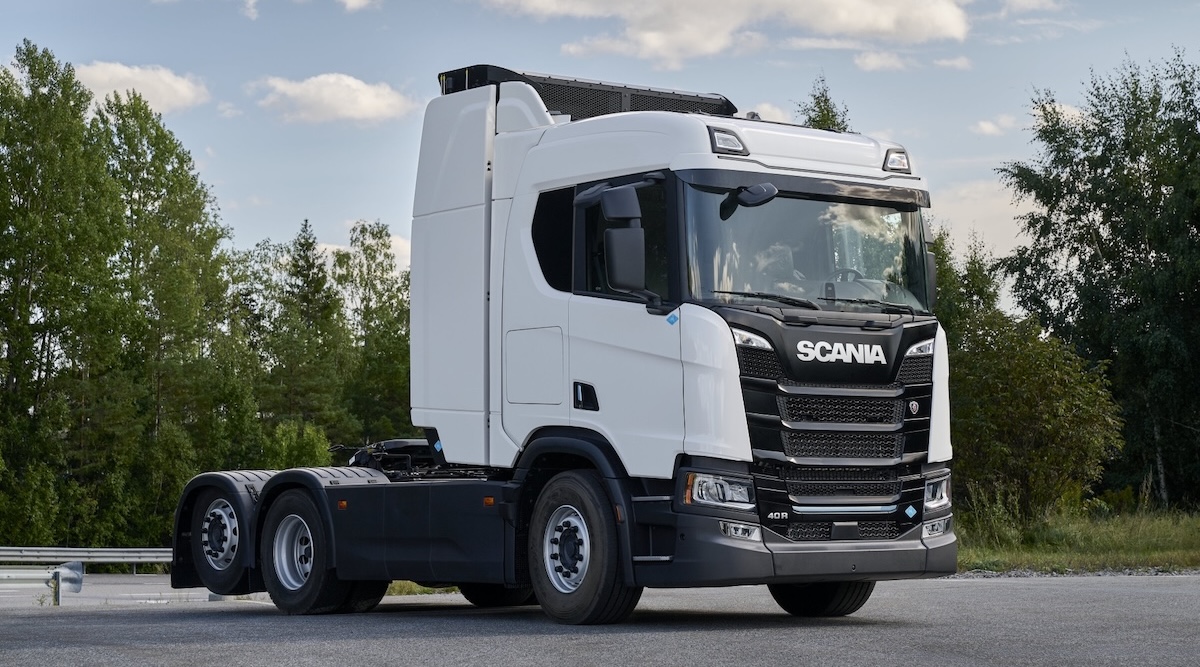
Toyota is deploying fuel cell trucks across Germany in a pilot program designed to test hydrogen-based heavy transport at scale. The initiative marks one of the most ambitious real-world demonstrations of zero-emission freight technology in Europe, with success here potentially accelerating adoption across the continent.
The German deployment reflects growing pressure on the trucking sector to eliminate diesel emissions. Heavy-duty transport accounts for roughly 27% of transport-related CO2 emissions in the European Union, according to the European Environment Agency. Fuel cell electric vehicles powered by hydrogen produce zero tailpipe emissions, releasing only water vapor. This advantage over battery electric trucks in range and refueling speed makes them attractive for long-haul routes where charging infrastructure remains sparse.
Toyota's effort centers on building a hydrogen supply ecosystem alongside vehicle deployment. The company is coordinating with German industrial partners and hydrogen producers to establish refueling stations and secure reliable hydrogen feedstock. This inter-industry collaboration model addresses a core barrier to fuel cell adoption. Trucking operators hesitate to purchase hydrogen vehicles without access to fuel. Hydrogen producers, meanwhile, lack certainty about demand. Simultaneous deployment of vehicles and infrastructure helps both sides commit.
Germany represents a logical test bed. The country hosts Europe's largest economy and densest industrial corridor. German logistics companies already operate extensive fleet networks across the Rhine-Ruhr region and toward Eastern Europe, providing natural corridors for hydrogen truck operations. Additionally, Germany has prioritized green hydrogen investment. The government allocated 10 billion euros to hydrogen infrastructure under its National Hydrogen Strategy, positioning the country as a leading hydrogen hub.
The timing carries weight. The European Union's Euro 7 emission standards, expected to take effect between 2026 and 2035, will impose stricter limits on diesel truck emissions. Manufacturers must demonstrate viable zero-emission alternatives. Battery electric trucks face headwinds in acceptance due to weight penalties that reduce cargo capacity. Fuel cell trucks offer comparable performance to diesel models while eliminating emissions. Toyota's pilot provides data on real-world durability, operational costs, and infrastructure requirements.
Hydrogen supply remains the central technical and economic challenge. Most hydrogen today comes from steam reforming of natural gas, a process that generates CO2. For fuel cell trucks to deliver climate benefits, production must shift to green hydrogen generated through electrolysis powered by renewable electricity. Germany's Energiewende, the transition to renewables, creates conditions for scaling green hydrogen. However, green hydrogen remains two to three times more expensive than conventional hydrogen. Cost reduction depends on electrolyzer manufacturing scale, renewable electricity prices, and carbon pricing mechanisms that penalize fossil hydrogen.
Toyota's commitment extends beyond Germany. The company has announced fuel cell truck programs in Japan and California. These parallel efforts create redundancy and accelerate learning. Success in one region builds momentum in others.
The program will generate critical data on maintenance intervals, efficiency metrics, and real-world operating conditions for trucking companies considering fleet transitions. Stakeholders will observe how fuel cell systems perform under sustained heavy loads over thousands of kilometers. Results from this acid test will inform investment decisions across Europe's trucking sector and influence whether manufacturers prioritize fuel cells or battery solutions for heavy transport.