Donut Lab unveiled a solid-state battery prototype at CES 2026, marking the first practical deployment of this technology by any manufacturer. The achievement positions Donut Lab ahead of competitors including Quantumscape, which has pursued solid-state battery development for years without reaching production status.
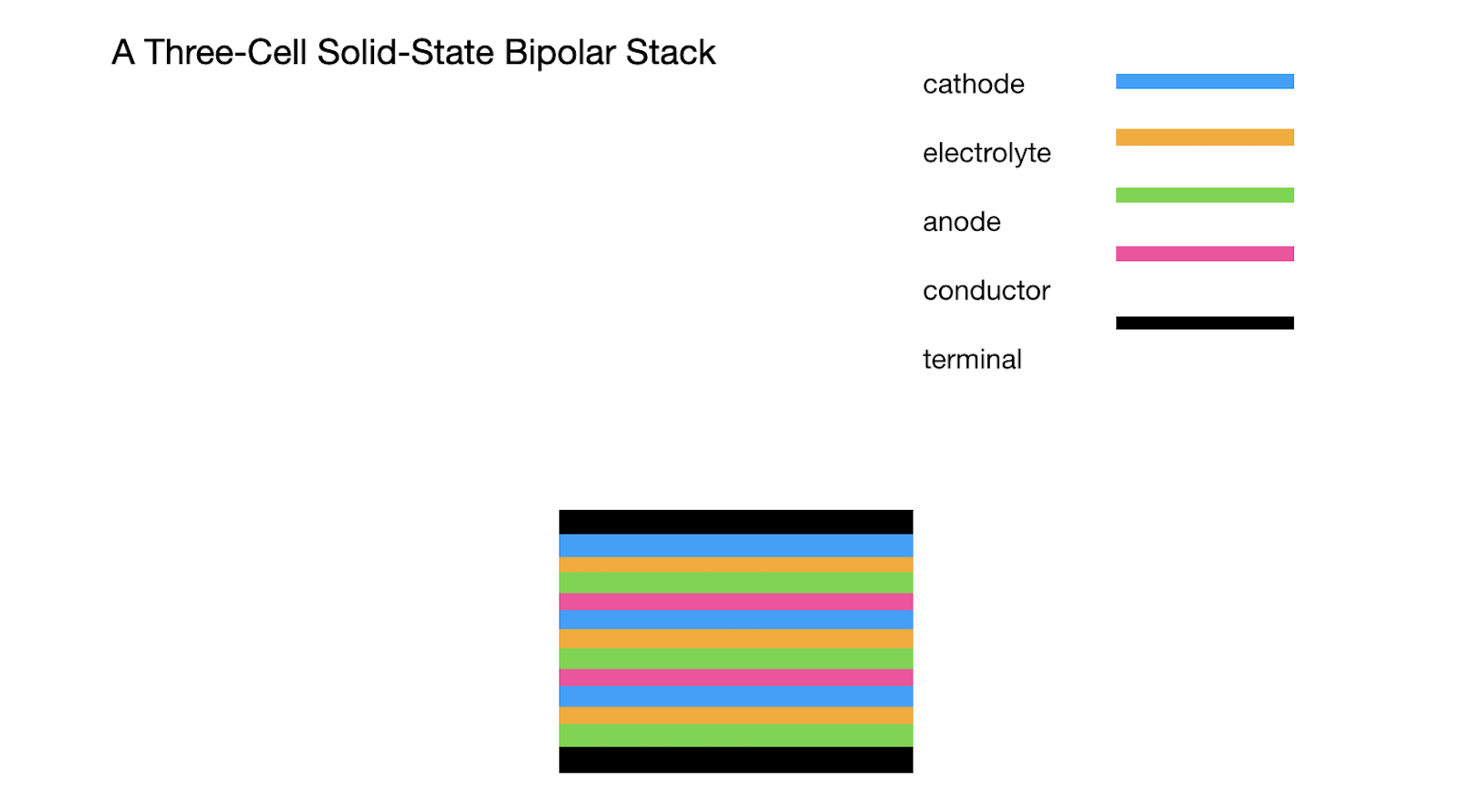
Solid-state batteries replace the liquid electrolyte found in conventional lithium-ion cells with a solid material. This architectural change delivers higher energy density, faster charging, improved thermal stability, and longer cycle life. The technology addresses fundamental limitations of current battery chemistry used in electric vehicles and grid storage.
Donut Lab's performance tests demonstrated capabilities that other developers have only claimed theoretically. The company reported energy density figures exceeding 400 watt-hours per kilogram, substantially higher than the 200-250 Wh/kg typical of advanced lithium-ion batteries. Charging time dropped to under 15 minutes for 80 percent capacity. Cycle testing showed retention above 90 percent capacity after 1,000 cycles, indicating durability comparable to liquid electrolyte systems.
The announcement generated conflicting reactions. Industry observers acknowledged the breakthrough; skeptics questioned whether lab results translate to manufacturing scale and cost competitiveness. This divide reflects the history of solid-state battery development, where numerous startups announced breakthroughs without commercialization success.
Quantumscape, backed by Volkswagen and Bill Gates' Breakthrough Energy Ventures, has invested over a decade in solid-state technology. The company achieved solid electrolyte development but faced production hurdles. Toyota, Samsung, and QuantumScape all announced timelines for solid-state batteries without reaching market deployment. Their delays created skepticism around Donut Lab's claims.
Manufacturing remains the central challenge. Solid-state batteries require precise layering and void elimination during production. Even minor defects compromise performance. Scaling from laboratory batches to automotive volumes demands new equipment and processes. Cost per kilowatt-hour remains unknown for Donut Lab's cells.
The implications for transportation electrification prove substantial. Current lithium-ion batteries limit EV range to 300-500 miles per charge cycle. Solid-state technology could extend range beyond 600 miles while reducing charging infrastructure demands. Grid storage applications benefit equally from higher density and faster response times.
Donut Lab has not disclosed production timelines, facility location, or manufacturing capacity. The company stated intention to supply automotive partners beginning in 2027, though previous announcements from competitors consistently slipped multi-year delays.
Industry analysts assessed the announcement cautiously. Achieving lab performance does not guarantee manufacturing success. Toyota's partnership with Panasonic on solid-state cells faces similar production scaling challenges despite decades of combined battery expertise. Cost reduction from prototype stage to commercial pricing remains undemonstrated.
The battery market moves slowly due to safety requirements and validation testing. Automotive manufacturers require cell suppliers to complete minimum 5,000-hour durability protocols before integration into vehicles. Donut Lab's CES demonstration, while technically impressive, represents early-stage development that precedes years of testing and regulatory approval.
Competition in solid-state technology accelerates. Samsung announced partnership discussions with Hyundai. Nissan committed $4 billion to solid-state battery manufacturing. China's Contemporary Amperex Technology Corporation launched research programs. This convergence suggests the technology will eventually reach production, though the company first achieving volume manufacturing at competitive pricing remains undetermined.
Donut Lab's announcement signals the solid-state battery transition approaches reality rather than theoretical future. Validation through independent testing and sustained manufacturing performance will determine whether this company fulfills its claims or joins the roster of announced breakthroughs awaiting delivery.