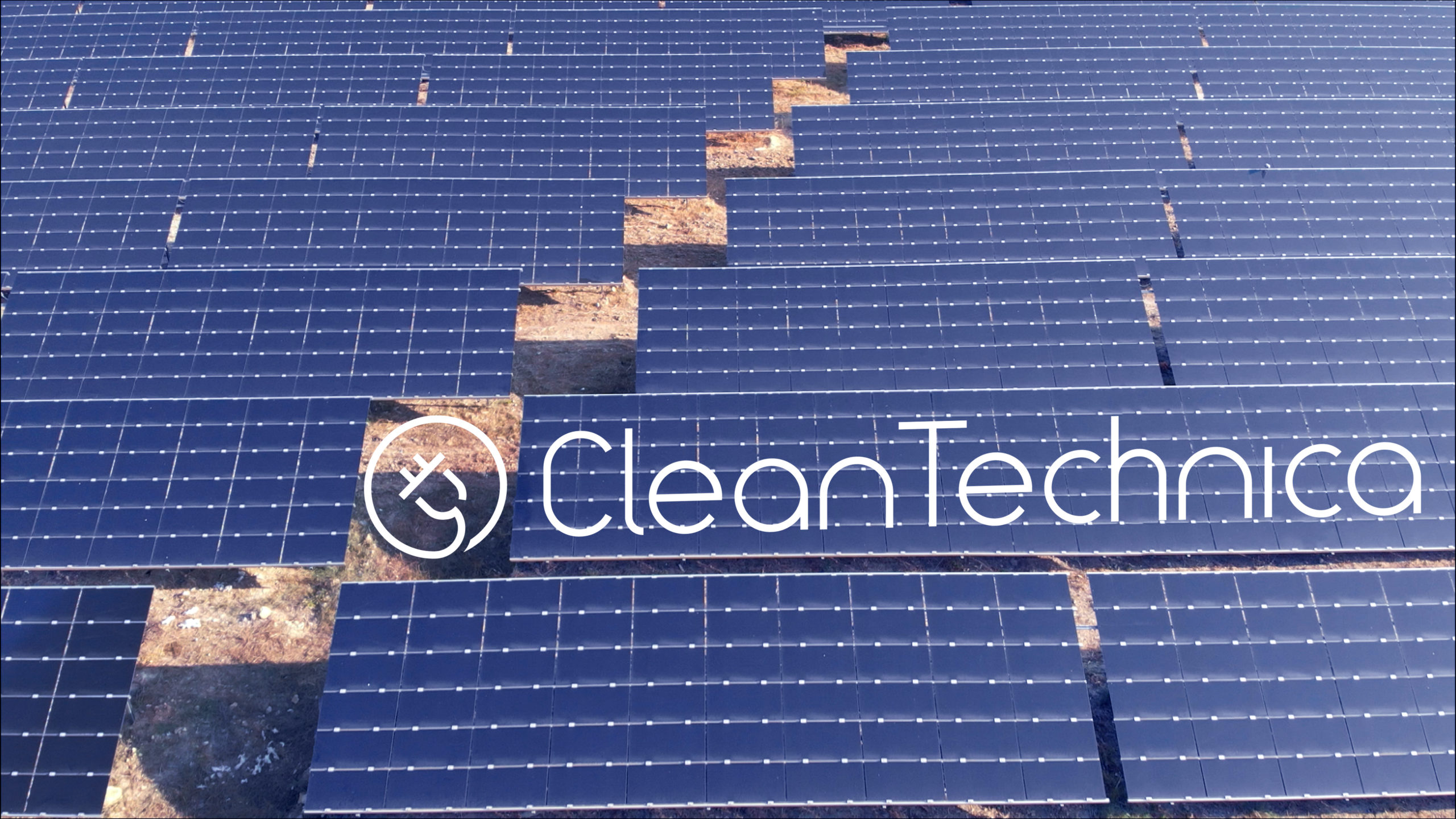
The American Clean Power Association reported that the United States reached a record high in renewable energy deployment during the first half of 2026, despite policy headwinds from the Trump administration. The nation's clean energy capacity now supplies sufficient power for 83 million homes.
This milestone reflects the cumulative effect of investments made under previous administrations, particularly the Inflation Reduction Act and the Bipartisan Infrastructure Law, both enacted during the Biden presidency. Those measures allocated roughly $369 billion toward clean energy tax credits and grid modernization over ten years. The infrastructure law provided additional funding for renewable projects, energy storage, and transmission upgrades nationwide.
The 83-million-home benchmark represents aggregate capacity rather than current consumption. It accounts for solar, wind, hydroelectric, geothermal, and battery storage systems now operating across U.S. power grids. Solar installations contributed substantially to the 2026 surge, with rooftop and utility-scale projects continuing their rapid deployment trajectory from prior years.
The Trump administration's approach to renewable energy diverges sharply from its predecessors. The administration has prioritized fossil fuel production, rolled back environmental regulations, and attempted to redirect funding mechanisms away from clean energy programs. Federal policies have emphasized domestic oil and natural gas development, including expanded leasing on public lands and waters. Trade tariffs imposed on solar panel imports and other renewable components have increased project costs across the industry.
Despite these policy reversals, renewable capacity growth has persisted. Three primary factors explain the disconnect between administration policy and deployment rates. First, state-level mandates remain in force. California, New York, Massachusetts, and other states with renewable portfolio standards legally require utilities to source increasing percentages of electricity from clean sources. Second, corporate commitments by major technology companies, manufacturers, and retailers created sustained demand for power purchase agreements with renewable operators. Third, the economics of renewable energy have shifted fundamentally. Solar and wind now cost less to operate than most fossil fuel plants, creating competitive advantages independent of federal subsidies.
The American Clean Power Association tracks deployment through interconnection queues maintained by regional transmission operators and utility data. The organization compiles statistics from utilities, state energy commissions, and project developers to estimate total capacity online and in development stages.
Looking ahead, deployment rates face uncertainty. The Trump administration continues exploring mechanisms to curtail the Inflation Reduction Act's tax credits or redirect them toward fossil fuels. Potential tariff increases on imported solar equipment could slow project development by raising capital costs. Conversely, state renewable standards remain locked in statute, and the energy sector's ongoing transition toward lower-cost alternatives may override federal policy constraints.
The 83-million-home figure does not account for seasonal variation, transmission losses, or grid integration challenges. Actual electricity delivered to consumers falls below theoretical capacity ratings. Energy storage deployment, critical for addressing intermittency from solar and wind sources, continues expanding but remains limited relative to generation capacity.
Renewable energy now represents the fastest-growing source of electricity generation in the United States. Coal plant retirements accelerated throughout 2025 and 2026, with utilities replacing retiring capacity primarily through renewable and natural gas facilities. The tension between federal policy direction and ongoing clean energy growth reflects broader market dynamics reshaping America's power sector.