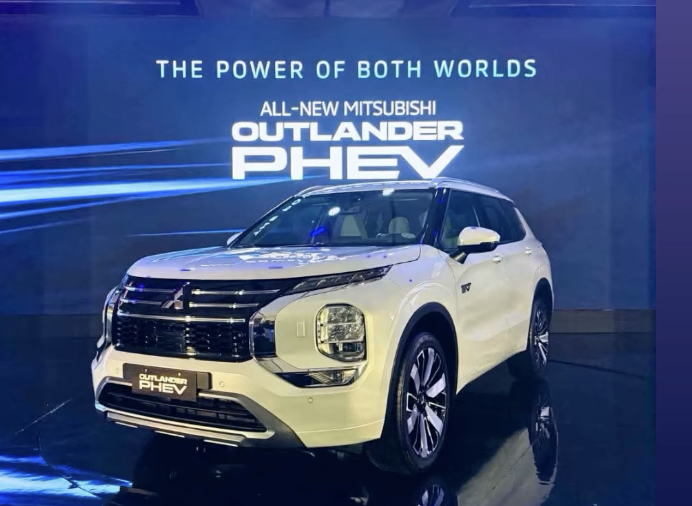
Mitsubishi Motors is returning its Outlander plug-in hybrid electric vehicle (PHEV) to the Philippine market, betting that conditions have shifted dramatically since its previous failed attempt in 2020. The automaker launched the third-generation Outlander PHEV in the Philippines in September 2020, a moment when pandemic lockdowns strangled consumer demand and charging infrastructure barely existed outside a few mall basements. The vehicle flopped.
Nearly six years later, the Philippines presents a transformed landscape. Charging networks have expanded across Manila and provincial centers. Consumer awareness of electric mobility has risen. Fleet operators increasingly view PHEVs as a bridge technology between internal combustion engines and fully electric vehicles. Mitsubishi sees opportunity where it once found only rejection.
A PHEV operates with both a gasoline engine and rechargeable battery pack. Drivers can travel 30 to 50 miles on electric power alone for daily commutes, then rely on the gas engine for longer trips without range anxiety. This dual-fuel approach appeals to markets with developing charging infrastructure, where pure battery-electric vehicles remain impractical for many drivers.
The Philippine automotive market tilts heavily toward SUVs and sport utility vehicles. The Outlander PHEV combines that body style with emissions reductions, positioning it squarely in a market segment showing real growth. Mitsubishi's strategy reflects a broader industry hedging: as governments worldwide mandate emissions reductions, automakers are deploying PHEVs in emerging markets where fast charging remains scarce but environmental regulations are tightening.
The first attempt suffered from timing and infrastructure gaps. In 2020, the Philippines had virtually no public charging network outside metropolitan Manila's shopping districts. Fuel remained cheap and plentiful. Consumers feared stranding with depleted batteries and no place to recharge. Government incentives for electrified vehicles were minimal.
Today's conditions are fundamentally different. The Philippines has invested in charging station networks. The Department of Energy has promoted electric vehicle adoption through tax incentives. Major cities now host dozens of public chargers. Fleet operators running corporate vehicle programs view PHEVs as compliant with emerging carbon reduction targets while remaining practical for congested urban roads and long-distance provincial travel.
Mitsubishi's return with the Outlander PHEV reflects confidence that the market timing has genuinely shifted. The company faces competition from Toyota's RAV4 Prime and Plug-in Hybrid, and BYD's growing PHEV lineup in Southeast Asia. Yet Mitsubishi holds advantages in brand recognition and established dealer networks across Philippine archipelago communities.
The Outlander PHEV's return tests a critical hypothesis for automakers: that PHEVs remain commercially viable in developing economies as an intermediate technology. Pure electric vehicles require near-complete charging infrastructure and affordable battery costs. Mitsubishi argues that PHEVs let customers transition toward electrification without waiting for that infrastructure perfection.
Success in the Philippines could validate the PHEV strategy for other Southeast Asian markets with similar profiles: growing environmental regulations, limited but improving charging networks, and strong SUV demand. Failure would suggest that even improved conditions cannot overcome consumer skepticism from previous disappointment or that markets are leapfrogging PHEVs entirely toward battery-electric vehicles and commercial charging solutions.
The stakes extend beyond Mitsubishi's Philippine sales targets. This launch signals whether automakers' PHEV-centric strategies will work in middle-income emerging markets over the next decade.