# UK Solar Power Reaches New Summer Peak, Signaling Renewable Energy Acceleration
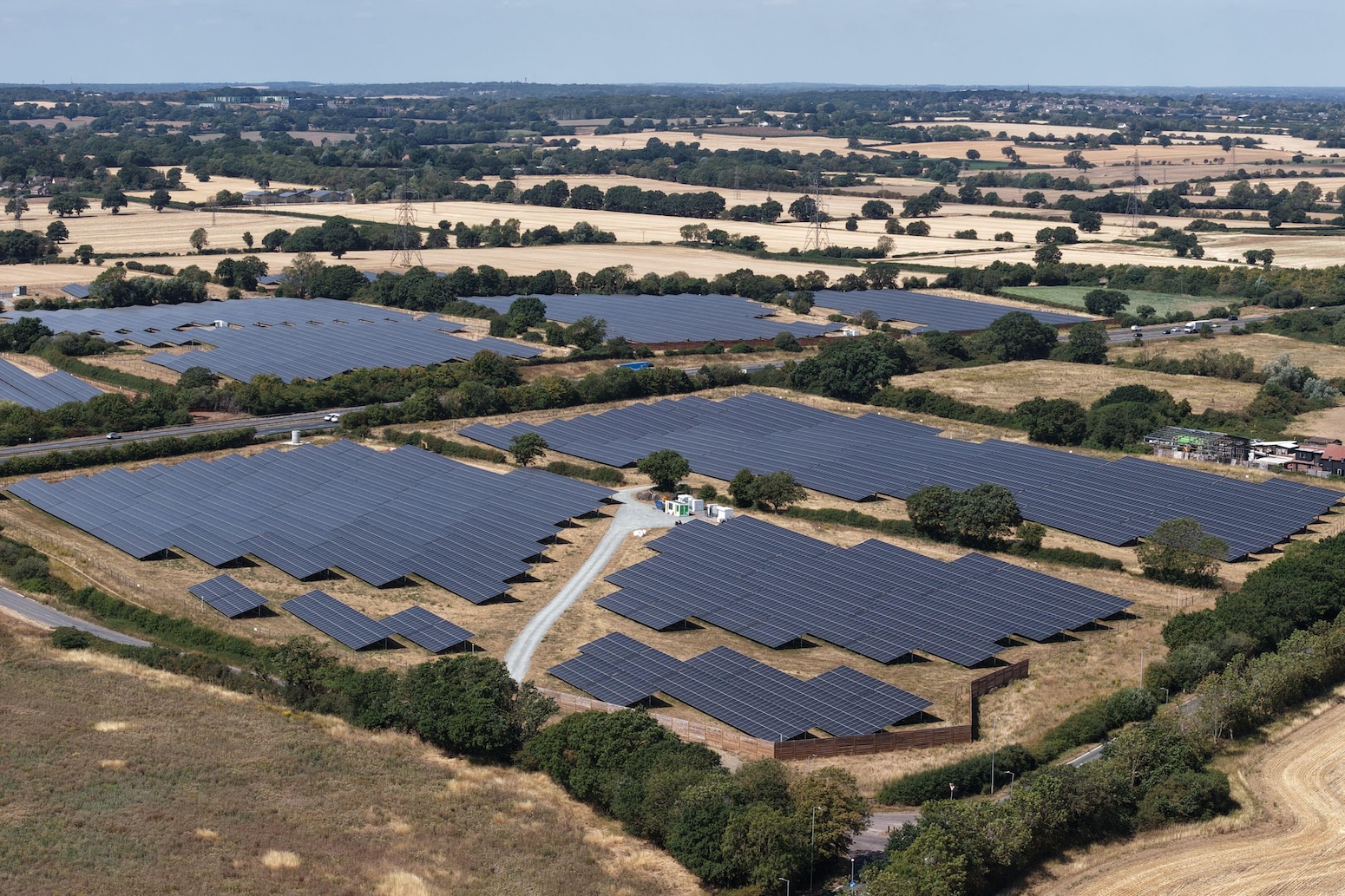
Britain's solar capacity generated record quantities of electricity during summer 2026, marking the latest milestone in the country's transition away from fossil fuels. The achievement reflects years of policy support and declining costs for photovoltaic installation.
The UK installed solar panels at an accelerating pace throughout the mid-2020s. Total capacity grew from approximately 14 gigawatts in early 2024 to levels that now allow solar to supply a growing share of national demand on sunny days. Summer months routinely produce the year's highest solar output because longer daylight hours and stronger sun angles maximize generation.
Carbon Brief, which tracks energy data and climate policy, documented the record performance through analysis of grid data and generation reports. The publication found that solar's contribution to Britain's electricity mix expanded notably compared to previous summers, even as total electricity demand remained relatively stable.
This expansion stems from multiple policy drivers. The Contracts for Difference scheme, introduced in 2013 and refined repeatedly, guarantees fixed prices for renewable electricity and reduces investment risk for solar developers. Renewable energy auctions held by the UK government consistently favored solar projects because of their falling costs and rapid construction timelines. Between 2020 and 2026, the cost of solar installations dropped roughly 50 percent, making new projects financially viable without subsidy in many locations.
Commercial and industrial rooftop installations drove much of the recent growth. Businesses installed solar to reduce energy bills and hedge against volatile electricity prices. Domestic rooftop solar also expanded, though less rapidly than utility-scale farms. Feed-in tariffs and export payment schemes created modest financial incentives for homeowners, though these programs operated at lower rates than earlier versions.
The record generation occurred alongside rising electricity demand from electric vehicles and heat pumps. The Climate Change Committee, Britain's statutory advisory body, projected that solar capacity would need to reach 40 gigawatts by 2035 to meet 2050 net-zero targets. The summer 2026 record demonstrated that expansion remained on track to meet these benchmarks.
Weather patterns amplified 2026's solar output. Exceptionally warm and sunny conditions during July and August pushed generation beyond typical seasonal patterns. Data showed that on peak days, solar supplied over 25 percent of Britain's instantaneous electricity demand, a level reached in only a handful of previous instances.
The National Grid, operator of England's transmission network, incorporated higher solar output into its balancing operations. Grid operators used battery storage, demand management, and cross-border interconnectors to accommodate variable solar generation. Battery storage capacity grew sharply during this period, falling costs made large-scale deployment economically attractive.
Scotland and southern England contributed most to the record output. These regions host the largest solar installations and received the most sunshine. The south of England benefited from numerous large solar farms built on agricultural land with planning permission. Scottish farms, smaller on average, clustered across central regions with good solar resources and proximity to population centers.
Looking forward, the sector faces challenges balancing continued expansion with grid integration and land use concerns. Developers proposed additional utility-scale projects, but faced opposition in some communities. Government policy remained supportive of solar, with no planned subsidy reductions before 2030. Industry analysts expected capacity to reach 20 gigawatts within two years.