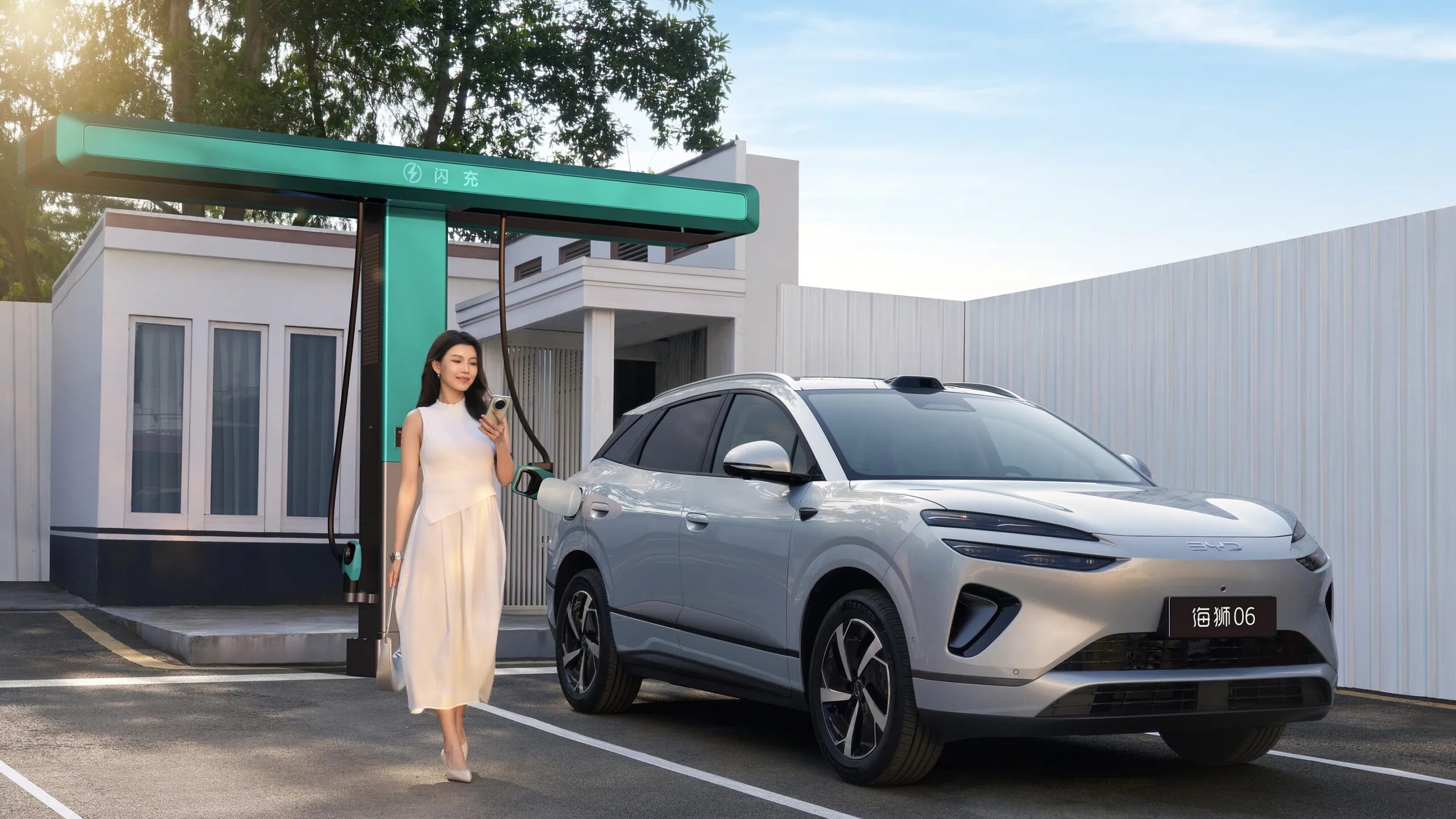
BYD's potential entry into the Canadian market signals a shift in how Chinese automakers deploy next-generation electric vehicles internationally. Recent testing footage from BYD's latest mid-priced SUV lineup in Canada suggests the company may offer current-generation models rather than previous iterations sold elsewhere, breaking from a pattern where international markets receive older technology.
The distinction matters for competition in North America's EV sector. Europe currently receives the Seal U, also marketed as the Sealion 6, which represents BYD's previous generation platform. If Canada receives the newer generation instead, it would mark a strategic choice to introduce consumers to BYD's most advanced powertrains and battery technologies from day one, rather than using the Canadian market as a stepping stone for legacy inventory.
BYD's timing arrives as the Chinese EV manufacturer has accelerated global expansion. The company ranks as the world's largest EV producer by volume, shipping over 3 million new energy vehicles in 2024. The Seal U family alone has sold more than 1 million units globally since its 2021 launch. However, tariffs and regulatory frameworks have limited BYD's direct consumer sales in North America until now.
Canada presents a distinct regulatory environment compared to the United States. While U.S. import tariffs on Chinese EVs reached 25 percent in 2024, Canada's tariff structure differs, potentially allowing BYD more favorable market entry terms. Additionally, Canadian EV buyers currently face limited options in the affordable mid-range SUV segment. Tesla dominates the mass-market EV category, while legacy automakers compete primarily at higher price points or with entry-level models.
The model generation question carries technical implications. BYD's newer platform likely incorporates updated lithium iron phosphate battery technology, refined electric motors, and enhanced autonomous driving features. These improvements translate to better efficiency, longer range, and lower production costs compared to previous generations, allowing BYD to price vehicles competitively while maintaining margins.
Automakers traditionally adopt tiered international release strategies, introducing current models in wealthy developed markets while shipping previous generations to emerging economies or secondary markets. Some critics argue this practice perpetuates inequality in technology access. If BYD reverses this approach for Canada, it suggests confidence in the market's purchasing power and regulatory acceptance.
The entry also reflects broader automotive industry shifts. Traditional manufacturers including Volkswagen, General Motors, and Stellantis face pressure from Chinese competitors offering lower-priced EVs with comparable range and features. BYD's cost structure, driven by vertical integration and battery manufacturing expertise, undercuts Western producers significantly. Canadian consumers potentially benefit from this competition through better pricing.
Regulatory approval remains pending. Health Canada and Transport Canada must certify any imported vehicle for safety and emissions compliance. BYD has begun homologation processes in multiple jurisdictions but has not announced official Canadian launch dates or pricing. Previous statements from BYD executives suggested potential 2025 or 2026 market entry.
The appearance of BYD prototypes testing on Canadian roads accelerates speculation about launch timing. Successful market entry could reshape Canada's EV pricing structure downward, particularly in the mid-range segment where price sensitivity influences purchase decisions most heavily. For BYD, Canada represents a crucial North American foothold ahead of potential U.S. market expansion once tariff conditions change.