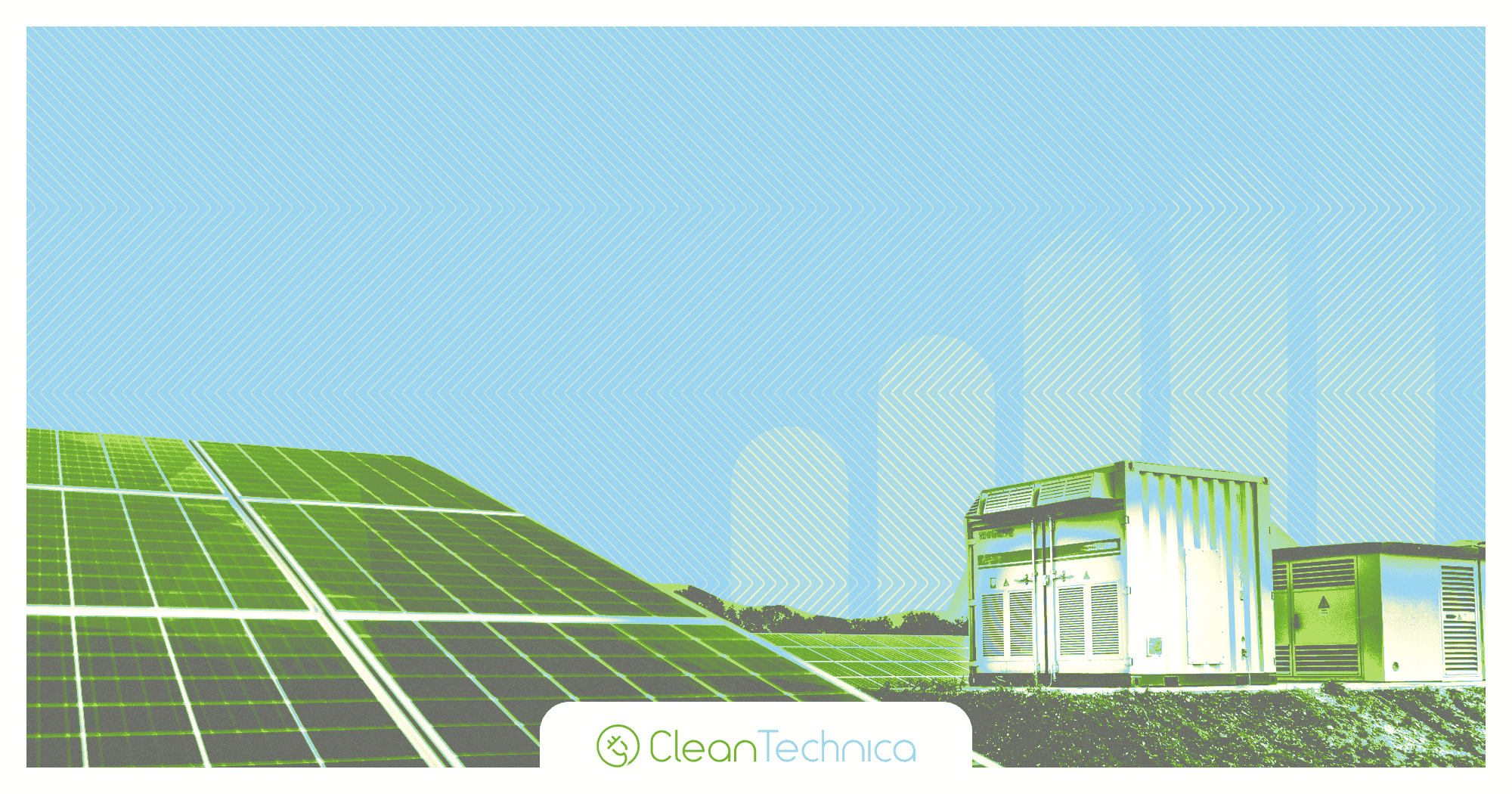
U.S. battery energy storage installations hit a record 20.2 gigawatt-hours of capacity in the second quarter, marking the largest single quarter in the nation's history. This deployment represents a sharp acceleration in grid storage adoption, driven by operator demand for reliability during peak demand periods and grid stress events.
The first 18 months of the current administration saw total storage capacity nearly double, according to industry tracking. Grid operators across the country have shifted strategy, prioritizing battery systems alongside renewable energy buildout. Storage serves a dual function: storing excess power during low-demand hours and releasing it during peak periods, reducing reliance on fossil fuel peaker plants that activate during emergencies.
The acceleration reflects several converging pressures. Extreme heat waves in 2024 and 2025 strained grids from California to Texas to the East Coast. The Federal Energy Regulatory Commission (FERC) Order 6000, finalized in recent years, expanded compensation mechanisms for battery systems providing grid services, making storage projects financially viable without subsidies. Battery costs have declined roughly 60 percent over the past decade, making 4-6 hour systems cost-competitive with natural gas peaker plants on a lifecycle basis.
Texas leads deployment, with significant projects coming online near wind farms in West Texas and the Panhandle. California continues aggressive buildout, particularly four-hour duration systems that address afternoon-to-evening demand peaks. Grid operators in PJM Interconnection and ISO-NE in the Northeast have accelerated procurement, responding to summer reliability assessments flagging reserve margins compressed by retirement of coal and nuclear plants.
Lithium-ion batteries dominate the current market, accounting for over 95 percent of new installations. Long-duration storage technologies, including iron-air batteries and compressed-air systems, remain in demonstration phase. Companies like Form Energy and Eos Energy have secured contracts with utilities and grid operators, but commercial deployment at scale remains years away.
The Q2 figure builds on 41.6 GWh installed across the full first half of 2025, already exceeding the entire 2023 calendar year. At current deployment rates, the U.S. will reach 100-120 GWh of cumulative operational storage by end of 2025, enough to power roughly 30 million homes for four hours.
Grid operators now view storage as essential infrastructure rather than complementary technology. The North American Electric Reliability Corporation (NERC) 2025 summer assessment explicitly identified insufficient reserve margins in multiple regions, pushing Independent System Operators to sign longer-term storage procurement contracts. Regional Transmission Organizations compete for projects, with some offering 15-year revenue guarantees.
Despite this momentum, challenges persist. Supply chain constraints for battery cells and components remain tight, with most U.S. manufacturing capacity still ramping. Permitting timelines, particularly for land use and environmental review, can stretch projects 18-24 months. Interconnection queues in competitive markets remain congested, with some utilities reporting 3-5 year backlogs.
Energy analysts project deployments will sustain 15-25 GWh quarterly through 2026, assuming sustained policy support and battery cost trajectories. Reaching net-zero emissions targets by 2050 requires storage capacity to grow to 700+ GWh, meaning current deployment rates must accelerate 5-7 fold over the next decade.