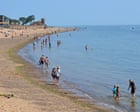
South West Water operates England's worst environmental record among water companies, according to an exclusive analysis by Friends of the Earth. The company discharges more raw sewage across Devon, Cornwall, Dorset, and Somerset than any competitor in the country.
The environmental group evaluated six performance categories. Sewage spills ranked first among the criteria measured. Water quality at bathing sites, pollution incidents, and warning notices formed part of the assessment framework. South West Water's performance lagged behind all other English water companies in the aggregate scoring.
The region served by South West Water covers approximately 1.7 million people. These four counties face persistent contamination from untreated sewage entering waterways and coastal areas. The discharges occur during rainfall events when combined sewer systems overflow, releasing effluent directly into rivers and the sea.
England's water companies operate under combined sewer systems designed and built decades ago. These systems merge foul sewage and rainwater in single pipes. When rainfall exceeds capacity, regulators permit companies to discharge raw sewage rather than risk flooding homes and streets. However, environmental advocates argue companies have not invested adequately in separating these systems or expanding capacity.
The Environment Agency regulates water company discharges. Companies must hold environmental permits specifying discharge limits and monitoring requirements. Ofwat, the water regulator, sets price controls and service standards that water companies must meet. Recent years have seen increased scrutiny from both agencies following repeated sewage pollution at English beaches.
Friends of the Earth's analysis carries weight with policymakers. The organization has documented sewage discharge events through Freedom of Information requests and Environment Agency data. Their findings often trigger parliamentary questions and regulatory investigations.
Swimmers and beach users in South West Water's region report visible sewage pollution after rainstorms. Local tourism industries face reputational damage when bathing waters close due to contamination. Hospital admissions for gastrointestinal illness spike in coastal communities following sewage overflow events, according to public health research.
South West Water has faced escalating criticism since 2020, when aerial footage revealed massive discharges into the sea near Plymouth. The company serves affluent retirement communities, fishing villages, and major tourist destinations. Economic costs from beach closures and water quality warnings extend beyond environmental damage.
The water company's investment program focuses primarily on meeting statutory obligations rather than eliminating sewage overflows entirely. Capital spending on infrastructure improvements totals hundreds of millions annually, but environmental groups contend this remains insufficient given the region's aging pipe network and increasing rainfall intensity linked to climate change.
Ofwat's price review process occurs every five years. The next review begins in 2024, where regulator decisions will determine whether South West Water receives funding to accelerate sewage infrastructure separation. Environmental groups have submitted formal complaints arguing that current spending targets will not eliminate overflow discharges within the next decade.
The analysis coincides with growing public opposition to raw sewage discharge across England. Multiple beach communities have filed formal complaints with the Health and Safety Executive. Legal challenges against water companies have increased, with environmental charities pursuing judicial review cases against Ofwat's regulatory decisions. South West Water's position as the worst performer amplifies pressure on regulators to mandate faster, more aggressive infrastructure investment across all English water companies.