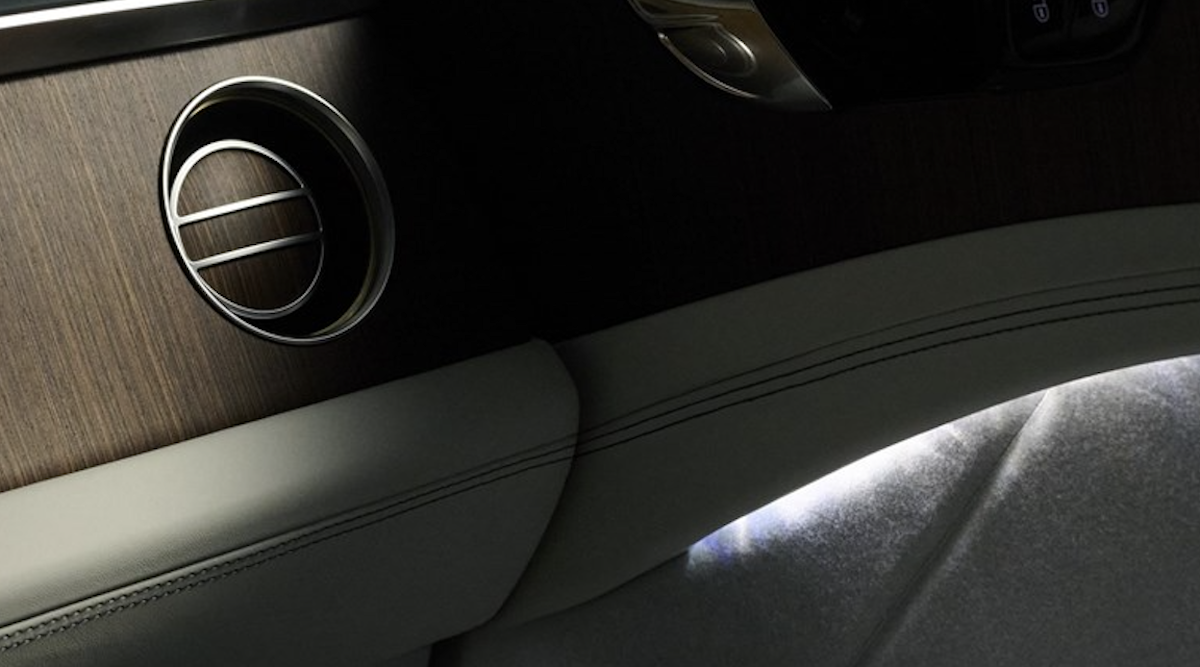
Bentley Motors entered the mass-produced electric vehicle market with the Torcal SUV, its first internally developed battery-electric car. The luxury automaker positioned the vehicle to capture urban drivers seeking high-performance electric mobility wrapped in premium engineering and brand heritage.
The Torcal represents a pivot point for Bentley. The British manufacturer previously offered electric variants through partnerships and badge-engineered models from other producers. This in-house development signals a commitment to electrification as core to the brand's future rather than a peripheral offering. The SUV format reflects market reality. Sport utility vehicles dominate global auto sales, including the luxury segment, where buyers prioritize versatility and commanding driving positions over traditional sedans.
Bentley's timing aligns with broader industry trends. Traditional luxury automakers face pressure from Tesla, Rivian, and Chinese EV makers that captured early adopter markets. BMW launched the iX and i7. Mercedes-Benz produced the EQE and EQS. Porsche released the Taycan. Bentley's peers recognized that electric powertrains no longer represent niche technology but baseline expectation for premium buyers, particularly in Europe and urban North America where emissions regulations tighten and charging infrastructure expands.
The Torcal targets affluent urban professionals. Bentley emphasized the vehicle's electric credentials while maintaining design language consistent with the brand's existing lineup. Luxury EV buyers prioritize performance, range, and status signaling. Bentley's positioning leverages its 104-year heritage, exclusivity, and craftsmanship to differentiate the Torcal from mass-market EVs and established competitors like the Tesla Model X or Porsche Taycan Cross Turismo.
Bentley operates under Volkswagen Group ownership since 1998. VW Group platforms power multiple Bentley models. The Torcal's development occurred within this ecosystem, likely utilizing VW Group battery architecture and powertrain components shared across marques like Audi and Porsche. This approach accelerates development while maintaining cost discipline critical for profitability on limited production volumes.
The vehicle enters a market segment seeing rapid electrification. Luxury SUVs generated higher margins than sedans, making electrification investments worthwhile. Premium buyers demonstrated willingness to adopt EV technology when paired with performance, range exceeding 300 miles, and comprehensive charging networks. Bentley targeted these early adopters with the Torcal.
Emissions benefits accompany Bentley's transition. Large SUVs produce substantial tailpipe emissions. Electrification eliminates direct emissions, though manufacturing impacts and electricity grid composition determine overall lifecycle emissions. European electricity grids increasingly rely on renewables, amplifying the environmental advantage of EVs produced and operated there.
The Torcal launch reflects Bentley's survival strategy. Traditional performance and luxury automakers cannot sustain combustion-only lineups past 2035 in most developed markets. UK regulations require 80 percent of new car sales to be zero-emission by 2030 and 100 percent by 2035. The EU established similar mandates. Bentley's electric entry demonstrates adaptation to regulatory requirements while preserving brand prestige and profitability through premium pricing.