# Pennsylvania's Coal Waste Subsidy Undermines Renewable Energy Transition
Pennsylvania continues funneling millions in taxpayer dollars to companies managing coal waste while the state's renewable energy sector stagnates, according to reporting from Inside Climate News. The disparity reveals how legacy fossil fuel infrastructure commands state resources even as coal production declines and clean energy investments lag.
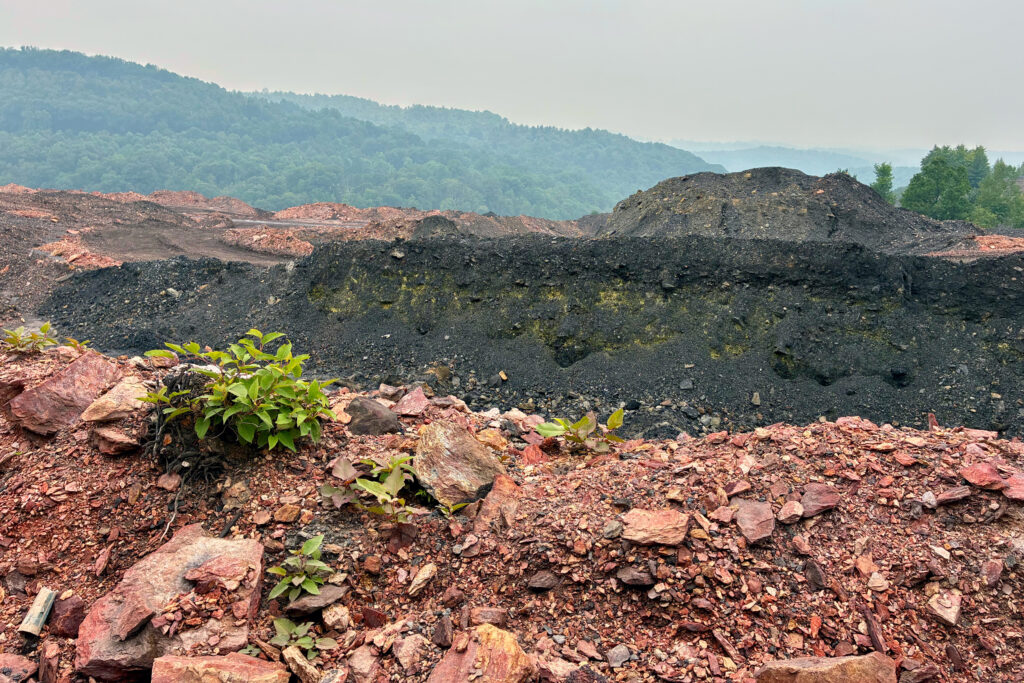
At Paint Creek in Windber, western Pennsylvania, visible contamination illustrates the ongoing environmental toll. Iron oxides stain boulders orange. Aluminum compounds create milky pools. Subsurface deposits likely contain copper, cadmium, and arsenic. These metals poison aquatic ecosystems and threaten drinking water supplies across the region.
Coal mining in Pennsylvania generated centuries of waste. The state's anthracite and bituminous operations extracted fuel for industry and power generation, leaving behind massive refuse piles and contaminated waterways. When active mining ceased, responsibility for managing these sites fell partly to private companies and partly to public agencies. Pennsylvania now pays these firms to conduct remediation and containment work, often with minimal results.
The financial commitment is substantial. State payments to coal waste operators amount to millions annually, yet water quality in streams fed by mining regions remains degraded. The Pennsylvania Department of Environmental Protection oversees compliance, but enforcement remains inconsistent across the sprawling network of legacy sites.
Meanwhile, renewable energy development in Pennsylvania proceeds slowly. The state ranks 13th nationally in solar capacity and lacks a clean energy standard that would mandate utilities source power from wind and solar. Federal tax credits and the Inflation Reduction Act have accelerated projects in other states, but Pennsylvania has not implemented complementary state-level incentives to match this momentum.
The allocation reveals a structural problem. Pennsylvania's energy policy perpetuates spending on managing the residue of coal extraction rather than investing in the transition away from it. A dollar spent on coal waste remediation is a dollar unavailable for solar manufacturing facilities, wind farm development, or grid modernization. The state faces pressure to reduce coal from existing plants, yet simultaneously sustains the economic footprint of the coal industry through remediation contracts.
Panaro's observations at Paint Creek represent thousands of contaminated sites across Appalachia. The cleanup effort, while necessary, absorbs resources that forward-looking energy policy would redirect toward renewables. Pennsylvania holds substantial potential for both wind generation along ridge lines and distributed solar across its landscape. A shift in subsidy orientation toward clean energy infrastructure rather than coal waste management would accelerate decarbonization and reduce long-term environmental liability.
The tension between past and future energy systems plays out most visibly in water quality. Acid mine drainage and heavy metal leaching persist in streams serving communities that transitioned away from mining decades ago. Those communities now face dual challenges. they require jobs renewable energy can provide, yet state policy allocates capital to sustain the institutional structures of coal rather than build new ones.
Pennsylvania's approach reflects a broader pattern in coal regions. States continue supporting remediation of legacy mining sites while underinvesting in economic diversification through clean energy. This creates a fiscal drag that delays the transition and prolongs environmental contamination. Shifting spending priorities would address both imperatives.