California has filed a lawsuit challenging the Trump administration's cancellation of wind power development leases and subsequent payments to companies to abandon renewable energy projects. The state's legal action contests what California officials characterize as an unprecedented reversal of clean energy infrastructure investments worth billions of dollars.
The cancellations target federal wind leases, primarily on public lands and federal waters off California's coast. These leases represented committed renewable energy capacity that state and federal climate targets depend on. By paying companies to exit wind development agreements, the administration has effectively dismantled projects in various stages of permitting and construction.
The lawsuit hinges on several legal grounds. California argues the administration violated the National Environmental Policy Act by failing to conduct adequate environmental reviews before terminating the leases. The state also contends the cancellations breach the Administrative Procedure Act, which requires federal agencies to follow established rulemaking procedures. California officials claim the administration lacked statutory authority to unilaterally void lease agreements and compensate private entities for contract termination.
Renewable energy advocates argue the move directly contradicts established climate policy. Federal renewable energy targets, including those in the Inflation Reduction Act passed in 2022, depend on increased wind capacity deployment. Wind generation provides roughly 8 percent of U.S. electricity currently, with expansion critical for meeting decarbonization goals across the electric grid.
The financial scope compounds the policy dispute. Billions in federal lease revenues, developer investments, and equipment manufacturing capacity now face disruption. Supply chain advantages California developed in renewable manufacturing potentially erode as projects stall. Workforce training programs built around wind installation and maintenance become uncertain.
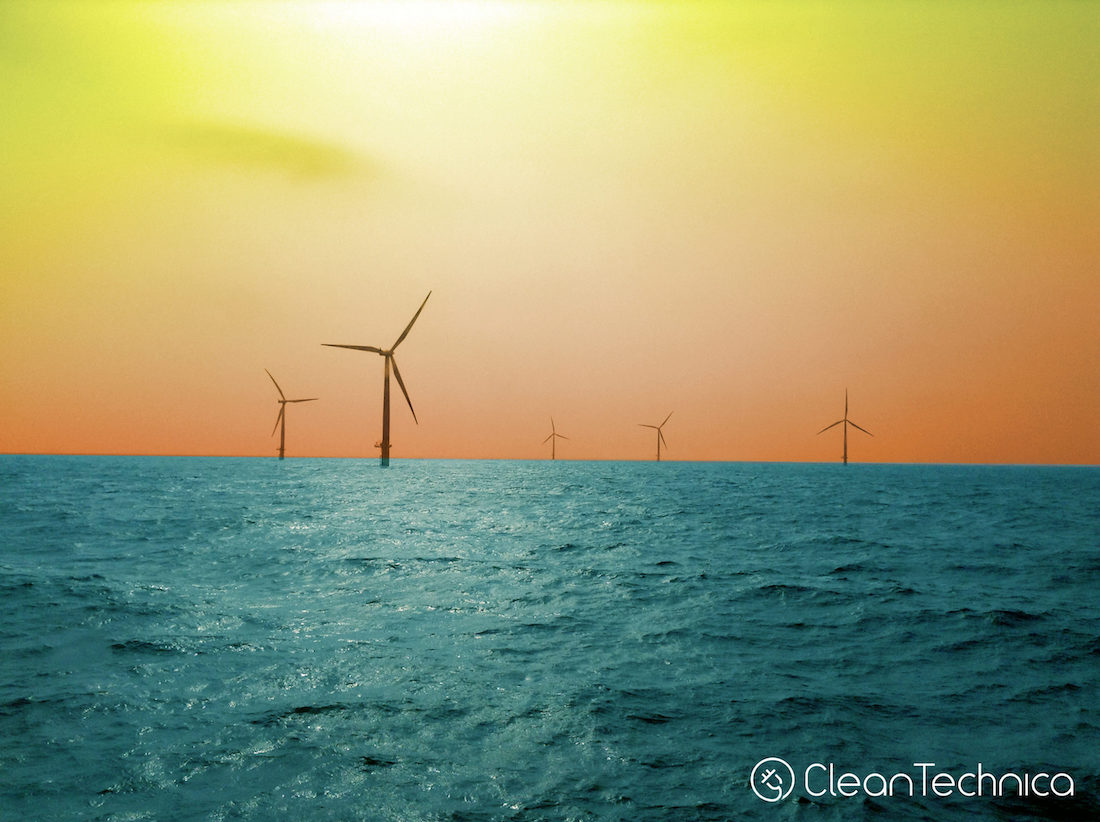
Offshore wind development off California carries particular weight. The state had planned substantial capacity additions in federal waters, where wind resources prove abundant and proximity to coastal population centers reduces transmission costs. These projects represented some of the most economically viable renewable additions to the grid.
The legal timeline remains uncertain. Federal courts will examine whether the administration's actions comply with procedural requirements and statutory limits on executive authority. If California prevails, the leases could be reinstated, forcing resumption of development timelines. Even partial delays measurably impact state and national renewable energy deployment schedules.
Other states may join California's challenge. New York, Massachusetts, and other coastal states have pursued similar offshore wind development. Their renewable energy targets face identical disruption from federal lease cancellations. A coordinated legal response becomes possible if multiple states file suits with overlapping claims.
The broader context involves energy policy conflict. Fossil fuel interests have consistently challenged renewable energy expansion through litigation and political pressure. This administration's willingness to fund wind project termination represents an unusually direct government intervention against clean energy development, distinct from passive regulatory obstruction.
Industry uncertainty deepens. Companies holding federal leases must determine whether to continue project development pending litigation outcomes or divest entirely. Manufacturers supplying turbines and components face production decisions amid unclear demand. Employee retention in renewable energy sectors becomes precarious.
California's legal challenge tests executive authority boundaries regarding renewable energy infrastructure. The outcome carries implications beyond one state's energy portfolio, potentially establishing precedent for how aggressively administrations can dismantle renewable commitments and what legal remedies states retain to protect clean energy investments.