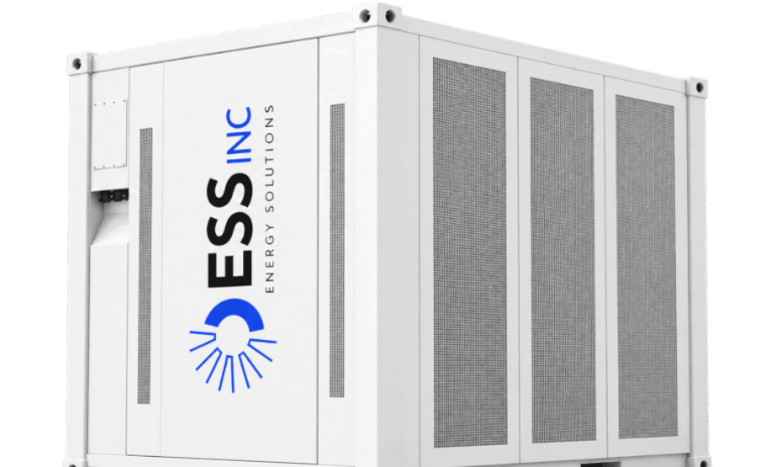
# Sodium-Ion Batteries Emerge as Grid Storage Solution for Renewable Energy
Energy storage has become the bottleneck of the clean energy transition. Solar panels and wind turbines generate electricity in pulses, not on demand. When conditions align, they produce far more power than the grid needs in any moment. The mismatch between supply and demand requires massive battery systems to store excess renewable generation and release it when the sun sets or wind dies.
Lithium-ion batteries have dominated this space for years, powering electric vehicles and grid-scale storage projects. But their reliance on lithium, cobalt, and other scarce minerals creates supply chain vulnerabilities and environmental extraction costs. Sodium-ion batteries now offer a viable alternative that addresses these constraints.
Sodium-ion technology uses abundant sodium instead of lithium as the charge carrier. Sodium deposits exist worldwide, with no geographic concentration like lithium supplies in Chile, Argentina, Australia, and China. This geographic diversity reduces geopolitical leverage over battery production and aligns with energy security goals across Europe, North America, and Asia.
The cost advantage proves substantial. Sodium-ion batteries cost approximately 20-30 percent less than comparable lithium-ion systems, according to battery manufacturer CATL and research from the International Energy Agency. For grid storage applications requiring long discharge durations, this cost reduction translates to deployable capacity at scale.
Performance tradeoffs exist. Sodium-ion batteries carry lower energy density than lithium systems, making them less suitable for electric vehicles where weight matters. But for stationary grid storage, where physical space accommodates larger installations, energy density becomes less critical. Discharge durations of 4-6 hours match typical grid needs, supporting evening peak demand when renewable generation drops.
Manufacturing capacity is ramping rapidly. CATL, the world's largest battery maker, began commercial sodium-ion production in 2023 with capacity targets exceeding 100 gigawatt-hours annually by 2030. BYD, another Chinese manufacturer, also entered the market. European producers including Northvolt and Italian firm Italvolt are building sodium-ion facilities to reduce reliance on Asian supply chains.
Grid operators have begun deploying sodium-ion systems. China installed the world's first commercial sodium-ion grid storage project in 2023 at a 300-megawatt facility in Liyang. Multiple installations across Europe and North America are under development for 2025-2027 launch.
The technology remains less proven than lithium-ion over multi-decade timescales, but early cycle-life data suggests sodium-ion systems can handle 3,000-5,000 charge cycles, adequate for 10-15 years of grid service. Thermal stability improves safety profiles compared to lithium systems, reducing fire risk in urban and industrial settings.
Integration with variable renewable generation accelerates deployment urgency. The International Renewable Energy Agency projects global electricity storage needs of 4,000 gigawatt-hours by 2040, up from roughly 30 gigawatt-hours today. Meeting this expansion through lithium alone strains mineral supply chains. Sodium-ion batteries fill this gap while maintaining cost competitiveness.