# Guatemalan Communities Fight Plastic Pollution Through Local Action
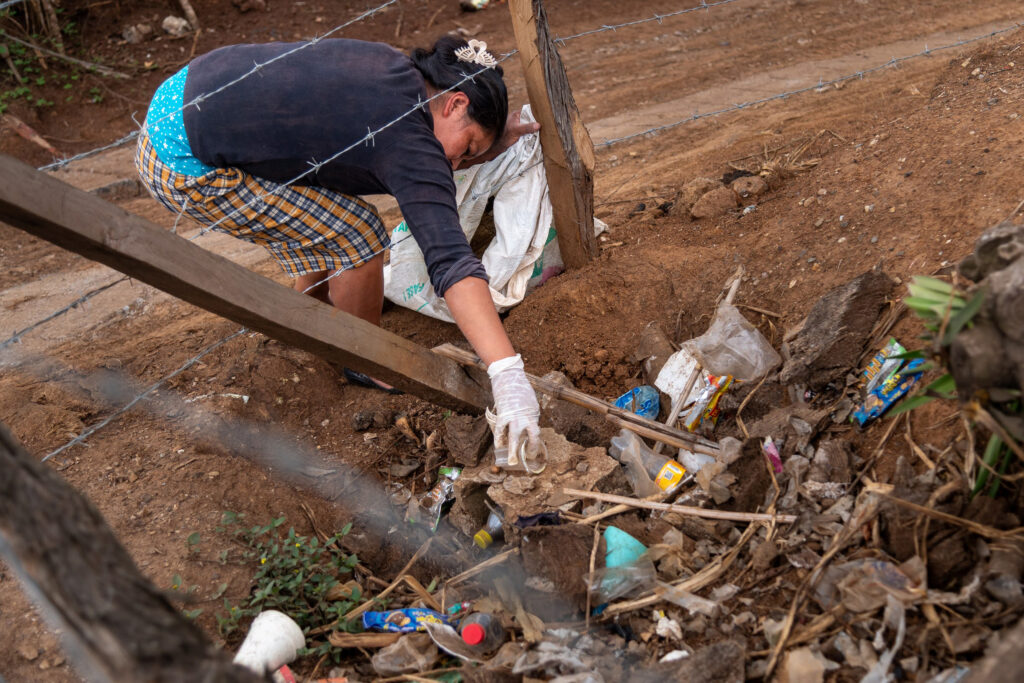
In the mountain village of El Duraznal, Guatemala, Soila Elizabeth Cruz removes plastic waste trapped in soil beneath barbed wire fencing as trucks rumble past. This scene captures the daily reality for residents across rural Guatemala, where plastic pollution has become an entrenched environmental and health crisis affecting low-income communities with limited resources to address it.
The plastic crisis in Guatemala extends beyond unsightly litter. Microplastics contaminate water supplies that communities depend on for drinking and agriculture. Landfills overflow with waste that leaches toxins into soil. Burning plastic for disposal releases hazardous compounds into the air. Yet the burden of cleanup falls disproportionately on residents themselves rather than producers or government entities with regulatory power.
El Duraznal and similar rural communities lack infrastructure for waste management. Trucks pass through, but formal recycling programs remain absent. Communities receive minimal support from municipal governments already stretched thin. The result: residents take cleanup into their own hands, often without protection or compensation.
Local organizations have begun implementing bottom-up solutions. Community members are organizing collection efforts, establishing awareness campaigns about plastic reduction, and advocating for policy changes at municipal and national levels. These grassroots movements empower residents to reclaim agency over their environment rather than waiting passively for government intervention.
The approach addresses multiple layers of the problem. Education campaigns teach children about plastic's persistence in ecosystems. Collection initiatives remove accumulated waste from soil and waterways. Advocacy work targets producers and retailers to reduce single-use plastic distribution. Community members train other residents on sustainable alternatives.
Guatemala's plastic challenge reflects broader patterns across Central America. Manufacturing activity, agricultural exports in plastic packaging, and limited regulatory frameworks all fuel accumulation. The country generates approximately 3.5 million tons of waste annually, with plastic representing a growing proportion. Waste management infrastructure lags behind consumption rates.
Government response has been inconsistent. Guatemala passed a law restricting single-use plastics in 2021, but implementation remains uneven. Enforcement depends on municipal capacity and political will. Many communities never received notification of the ban or resources to comply.
This gap between policy and practice creates space for community leadership. When residents organize cleanup drives, they establish social norms around waste reduction. When they document pollution hotspots and health impacts, they generate data that strengthens advocacy for municipal investment in waste infrastructure. When they train peers on alternatives to plastic, they build economic opportunities through recycling and sustainable businesses.
The work remains exhausting and underfunded. Community members often volunteer without compensation. Equipment for safer handling is scarce. Long-term solutions require structural change: producer responsibility laws that hold manufacturers accountable for end-of-life disposal, investment in waste infrastructure, and market transformation toward reusable systems.
Yet these local movements demonstrate that communities can drive environmental progress when power structures fail them. The residents of El Duraznal are not waiting for rescue. They are organizing, learning, and demanding change from the bottom up.