# 20,000 Salmon Return to the Klamath River After Historic Dam Removal
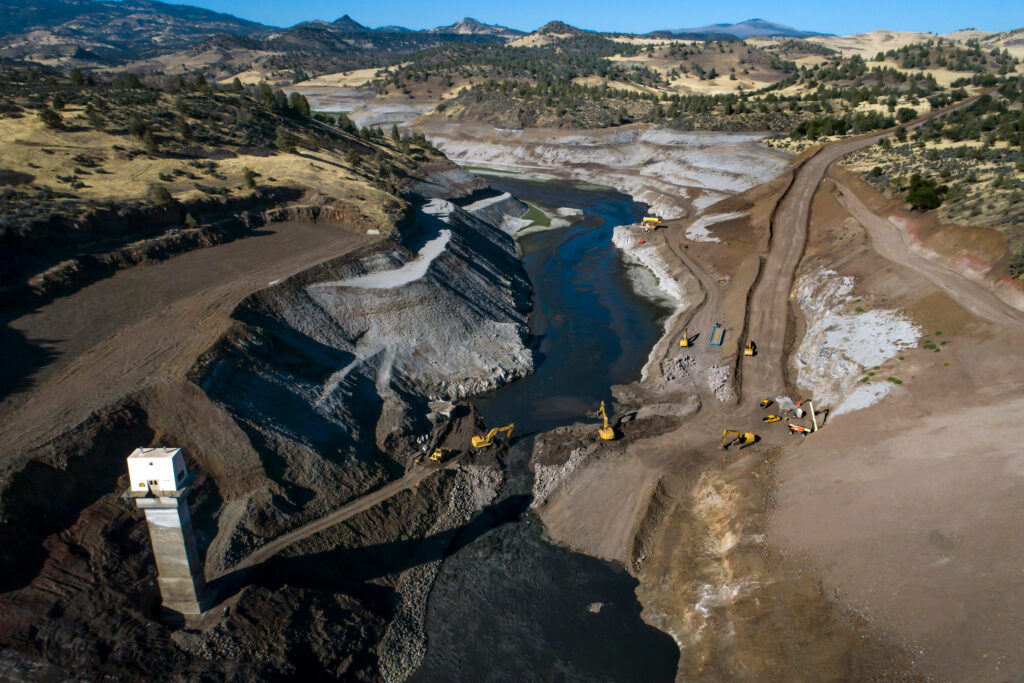
Over 20,000 chinook salmon have migrated upstream on the Klamath River in the two years following the August 2024 demolition of the final dam, marking the first successful return of anadromous fish to upper river reaches in more than 100 years. The breach of the four-dam complex, which stretched across the California-Oregon border in the Klamath Basin, reopened 420 miles of historically important spawning habitat that had been blocked since the early 1900s.
The dam removal represents one of the largest watershed restoration projects in U.S. history. Federal and state agencies, tribal nations, and environmental groups spent decades negotiating the agreement that culminated in excavation crews eliminating the Copco, Iron Gate, J.C. Boyle, and Keno dams. The Yurok, Hoopa, Karuk, and Klamath Tribes, whose members depend on salmon for subsistence and cultural practices, led advocacy efforts for the removals.
Research documenting the initial salmon response arrived Thursday, revealing both progress and persistent obstacles to recovery. The 20,000 chinook recorded upstream represent substantial biological activity, yet counts remain well below historical abundance. Before dam construction, the Klamath River system supported runs estimated at over 500,000 fish annually. Current numbers reflect the long-term damage inflicted by century-old infrastructure and continued habitat degradation.
Temperature remains the most acute challenge. Summer water temperatures in upper Klamath reaches have climbed above levels tolerated by chinook salmon, particularly juveniles. Researchers documented thermal stress in tributary streams where young fish attempt to overwinter. Without intervention, warming water may prevent sustained population recovery even with habitat access restored. The region experienced record temperatures during the 2024 water year, compounding the problem.
Gravel bars and riparian conditions in upper reaches show early signs of improvement. Sediment mobilization following dam removal has redistributed fine materials, beginning to reshape channel morphology. However, decades of sediment accumulation behind the dams created an enormous backlog. Release of trapped sediments has generated water quality concerns downstream, including impacts to aquatic macroinvertebrate communities that juvenile salmon depend on for food.
Water management decisions upstream in Oregon threaten recovery gains. Upper Klamath Basin agricultural users divert substantial flow for irrigation, reducing instream volume during critical summer and fall periods. Federal Endangered Species Act consultations with the Bureau of Reclamation and Oregon Water Resources Department remain unresolved. Without firm flow commitments, habitat restoration benefits face limits.
Tribal fisheries managers note that the first returning generation spawns naturally above the dam sites this fall. Their reproductive success will determine whether the 20,000 represents the beginning of exponential recovery or a temporary influx. Some fish may have originated from hatcheries, complicating assessment of wild population dynamics.
The removal itself cost approximately $450 million, funded through a combination of state, federal, and private sources. Continuation of active management, including potential hatchery support and temperature mitigation strategies, will require sustained funding beyond current appropriations. Basin states and tribes have submitted initial proposals for a multi-year recovery framework, but congressional authorization remains pending.