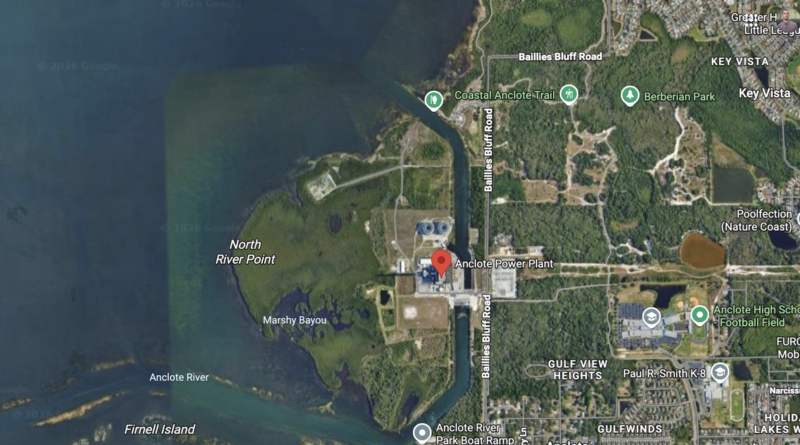
Duke Energy reported a 3,200-gallon spill of sodium bisulfite at its Anclote Power Plant in Tampa, Florida, on August 20. The chemical, a corrosive irritant used in power generation processes, contaminated soil and asphalt at the facility. Florida environmental regulators received notification of the incident.
Sodium bisulfite serves as a reducing agent in fossil fuel power plants, particularly in scrubbing systems that remove sulfur dioxide from flue gases. The chemical poses health risks upon direct contact with skin and mucous membranes. At concentrations above threshold limits, sodium bisulfite can cause respiratory irritation and chemical burns. The Occupational Safety and Health Administration classifies it as hazardous.
The Anclote Power Plant operates as a natural gas and coal-fired facility with a nameplate capacity of approximately 1,400 megawatts. The plant has a documented history of environmental incidents. In 2015, the facility experienced a coal ash pond breach that released 215 million gallons of coal slurry containing mercury, arsenic, and other heavy metals into waterways. The U.S. Environmental Protection Agency later fined Duke Energy 102 million dollars for violations related to coal ash management across multiple sites.
This August spill illustrates the ongoing operational hazards embedded in aging fossil fuel infrastructure. Power plants require continuous chemical management for cooling systems, emissions control, and water treatment. Each chemical storage and handling operation introduces contamination risk. The Anclote incident occurred during a summer period when Florida experiences frequent heavy precipitation, increasing the potential for chemical runoff into groundwater and surface water systems.
Duke Energy operates 171 power plants across the Carolinas and Florida, making it the largest utility in the southeastern United States. The company has announced plans to retire additional coal-fired capacity, with the Anclote facility slated for eventual decommissioning. However, timeline specifics remain unclear. The utility simultaneously committed to net-zero carbon emissions by 2050, a target that requires accelerated renewable energy deployment and closure of remaining fossil fuel units.
Florida's regulatory environment continues to emphasize both environmental protection and grid reliability during the state's energy transition. The Florida Department of Environmental Protection handles spill investigations and cleanup oversight. State officials must balance fossil fuel infrastructure risks against concerns about power supply disruption during the transition away from coal and natural gas generation.
The incident reflects broader challenges facing utilities managing aging fossil fuel plants. These facilities require continuous investment in maintenance and regulatory compliance. Transition costs to renewable and nuclear sources remain substantial, yet operating aging coal and gas plants perpetuates environmental and public health risks. States including Florida face decisions about infrastructure retirement timelines and replacement capacity planning.
Duke Energy's Anclote spill joins a pattern of chemical releases at U.S. power plants. The American Rivers organization documented over 200 documented spills and releases at coal plants between 2005 and 2020. Chemical handling incidents occur during normal operations, equipment failures, and maintenance activities. Each spill event triggers investigation protocols and potential remediation expenses.
Regulators and utilities in Florida continue monitoring the Anclote cleanup. The spill demonstrates that decommissioning timelines for fossil fuel infrastructure carry real consequences for environmental quality. Accelerating plant closures and deploying renewable alternatives directly reduces these contamination risks.