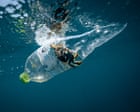
Nearly 1.3 million plastic bottles entered the ocean from human sources last year. On a single day in 2025, volunteers removed that many bottles from coastlines and rivers worldwide during the International Coastal Cleanup, the planet's largest coordinated volunteer cleanup event.
The Ocean Conservancy, which organizes the annual initiative, documented the scale of the task. Approximately 630,000 people fanned out across more than 15,000 miles of coastline and waterways to extract 13.9 million pieces of trash. The cleanup spanned beaches, rivers, and coastal areas across multiple continents, revealing the depth of plastic contamination in aquatic ecosystems.
Plastic bottles dominated the waste stream collected. Single-use bottles represent one of the most persistent forms of ocean pollution. Most never reach recycling facilities. Instead, they fragment into microplastics that enter food chains, accumulate in marine organisms, and persist in sediments for decades. The sheer volume collected in one day underscores how rapidly plastic enters waterways and how inadequate current waste management systems remain.
The International Coastal Cleanup has operated annually since 1986. The 2025 event marks a major mobilization of volunteer labor. Over 630,000 participants represent individuals willing to spend time removing refuse rather than preventing its entry into waterways in the first place. The data from these cleanups informs environmental policy by quantifying what actually ends up in oceans and rivers, moving beyond theoretical models.
Coastal cleanups address a symptom rather than the root cause. Preventing plastic from reaching waterways requires upstream intervention: reducing single-use plastic production, improving waste infrastructure in developing nations where collection systems remain weak, and redesigning consumer products to eliminate unnecessary packaging. The United Nations Environment Programme estimates that about 8 million tons of plastic enter oceans annually. Even if 630,000 people worked every single day of the year, volunteer cleanups could not keep pace with the flow of new waste.
Nonetheless, these coordinated efforts generate baseline data about contamination patterns. Researchers track what materials appear most frequently, document which regions show the highest pollution burdens, and identify how cleanup outcomes change year to year. The Ocean Conservancy uses this information to advocate for policy changes targeting the sources of ocean plastic rather than only treating the symptom through removal efforts.
The 2025 cleanup results demonstrate that the problem persists at scale. The bottles and other debris collected represent waste that would have continued breaking down in marine environments, harming wildlife through entanglement and ingestion. Seabirds, sea turtles, and marine mammals frequently mistake plastic for food. Ingested plastic blocks digestive systems and causes starvation. The 13.9 million pieces removed represent animals spared from these fates, though millions of other organisms will still encounter plastic pollution this year.
Ocean Conservancy data feeds into international discussions about a global plastics treaty. Nations have negotiated frameworks addressing transboundary plastic waste and production standards. Volunteer cleanup data provides governments with concrete evidence of where intervention matters most and which materials warrant urgent regulation or phase-out.
The scale of volunteer participation reflects growing public awareness of ocean plastic pollution. Yet awareness alone does not reduce plastic output. Manufacturing continues to increase globally, particularly in petrochemical-dependent regions. Voluntary cleanups will remain necessary until production systems and disposal infrastructure fundamentally change to prevent plastic from entering waterways in the first place.