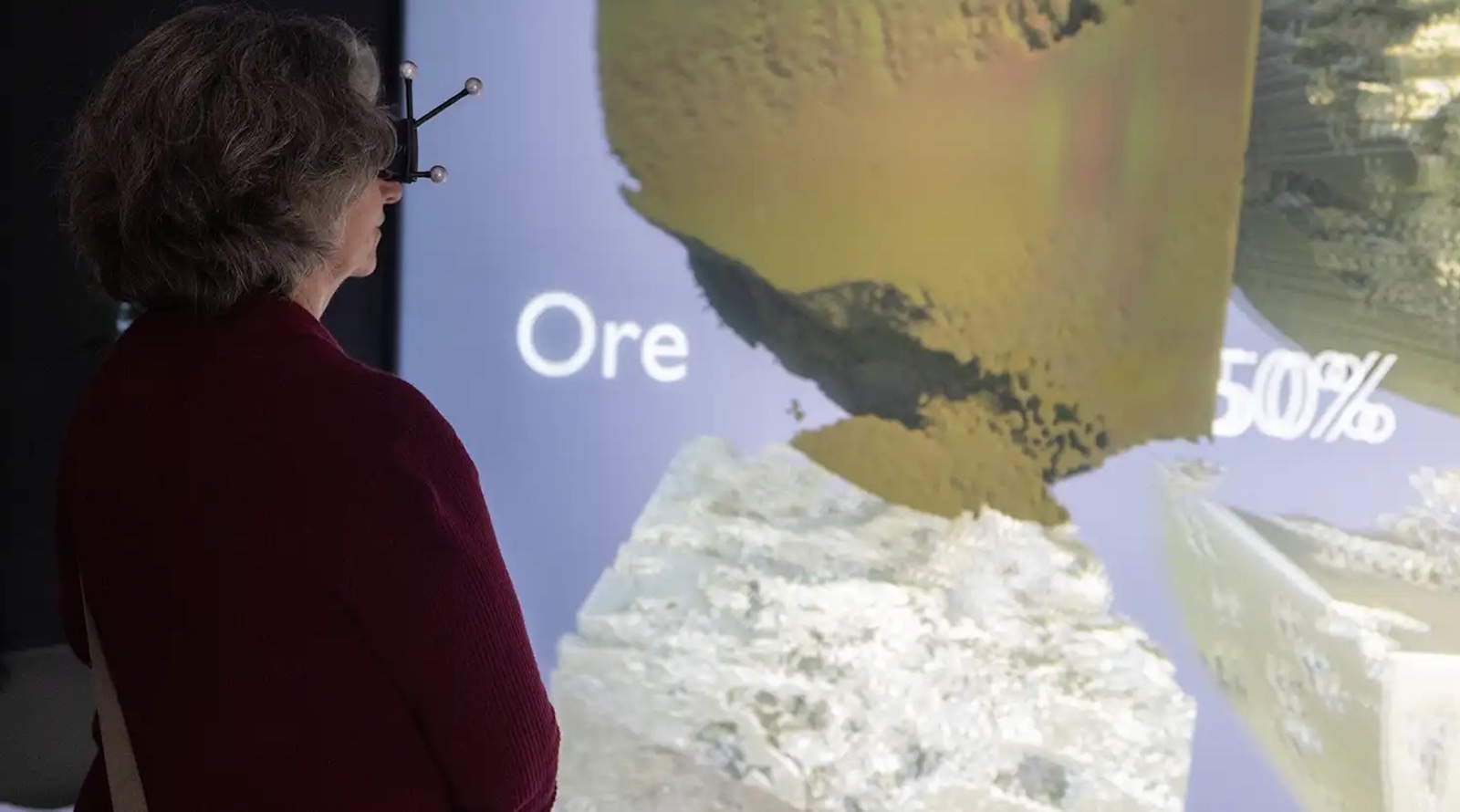
The National Laboratory of the Rockies and the University of Minnesota's Natural Resources Research Institute have formed a partnership to scale up technologies for extracting and processing critical minerals. The collaboration aims to demonstrate commercially viable methods for securing domestic supplies of materials essential to clean energy infrastructure.
Critical minerals including lithium, cobalt, nickel, and rare earth elements form the backbone of batteries, wind turbines, and solar panels. Supply chain vulnerabilities threaten the pace of energy transition globally. Current sourcing concentrates in politically unstable regions or countries with weak environmental standards. The NLR-NRRI initiative addresses this bottleneck by moving laboratory concepts toward industrial deployment.
The partnership focuses on demonstration projects that test extraction, refining, and recycling processes at scales closer to commercial production than typical research settings. This bridge between lab and factory floor reduces technical risk for companies considering investment in domestic mineral processing. The National Laboratory of the Rockies operates within the Department of Energy framework, providing federal research infrastructure. NRRI brings university research capacity and regional expertise in mining and materials processing.
Process innovation carries direct climate implications. Mining operations currently account for roughly 4 to 7 percent of global greenhouse gas emissions. Inefficient extraction and refining multiply those impacts. New technologies that recover more material per unit of energy consumed, reduce water consumption in processing, or eliminate toxic chemical byproducts lower the carbon footprint of mineral supply chains. Recycling technologies proven at scale can redirect end-of-life batteries and electronics away from landfills toward material recovery.
The timing reflects policy momentum. The Inflation Reduction Act allocated $250 million for domestic processing of battery materials. The Bipartisan Infrastructure Law includes funding for critical mineral supply chain development. These investments create demand for proof that domestic alternatives to imported materials can work economically. Success at pilot scale opens pathways to private capital and manufacturing facility development.
Geographic advantages position the Upper Midwest for this work. Minnesota hosts mining operations and a century-long history of mineral extraction expertise. Iron ore processing knowledge transfers to battery material workflows. Existing transportation infrastructure and power systems in the region support scaled operations. Universities maintain research programs directly relevant to materials science and environmental engineering.
Risks remain. Demonstration projects require sustained funding across multiple years. Technical hurdles may emerge at scales where laboratory conditions no longer apply. Environmental permitting for test facilities in Minnesota adds regulatory timelines. Competition from lower-cost sources outside the U.S. undercuts domestic economics unless policy support continues.
The partnership represents a pragmatic approach to breaking dependence on unstable mineral supply chains while advancing domestic clean energy manufacturing. Successful demonstration of cost-competitive domestic processing would reshape mineral markets and reduce supply chain vulnerability for U.S. battery makers and renewable energy companies. Scaling these technologies within the next three to five years positions the country to meet projected demand for critical minerals through 2030 without relying on competitors who control current global supplies.