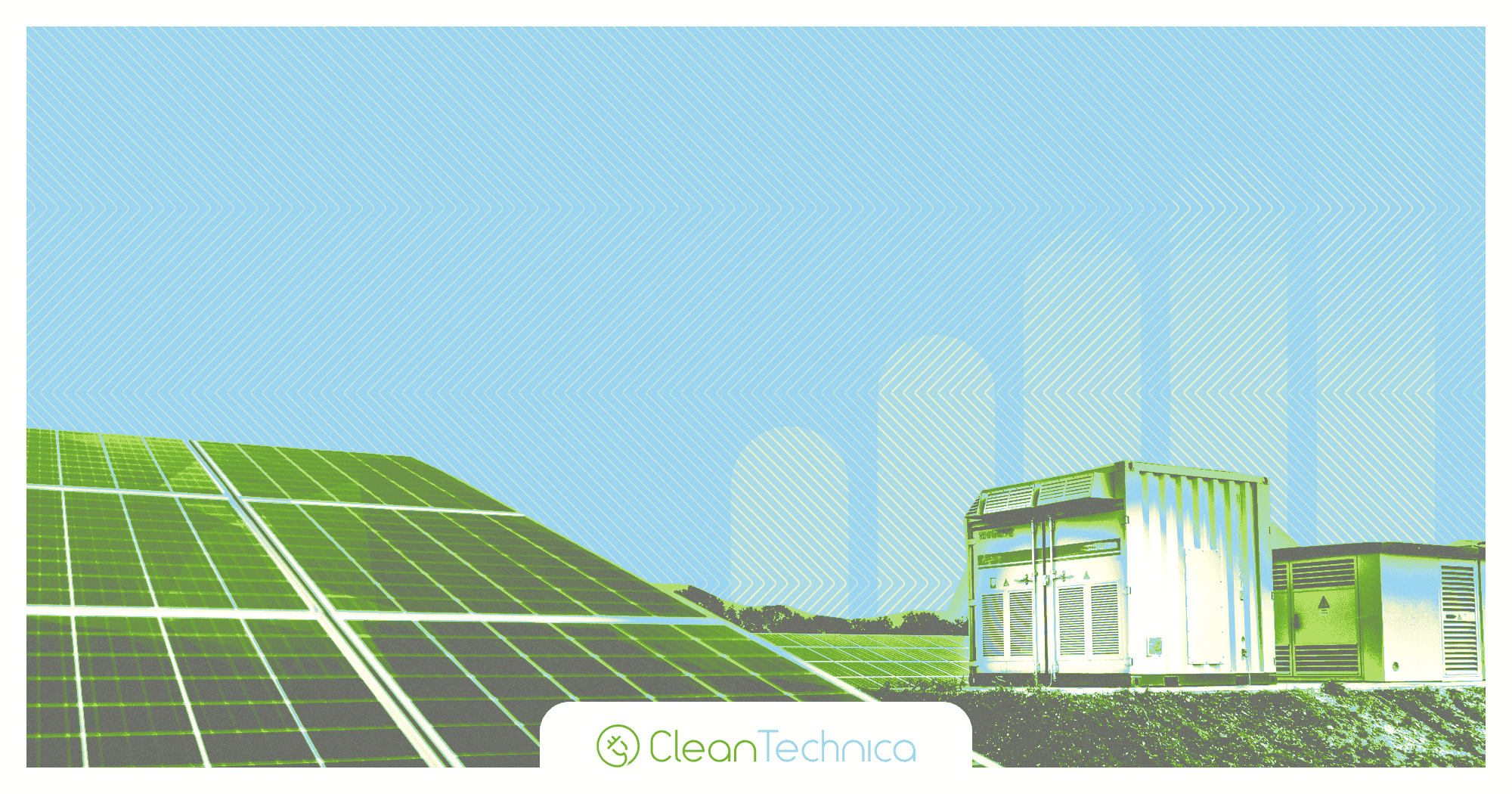
Battery energy storage systems are becoming essential infrastructure as American electricity demand accelerates. Five states are deploying storage at scale, addressing grid reliability challenges created by data centers, manufacturing facilities, and climate-driven cooling demand.
The U.S. grid faces mounting pressure. Data center electricity consumption has doubled since 2020 and continues climbing as artificial intelligence workloads expand. Meanwhile, summer peak demand peaks earlier and lasts longer due to heat waves that trigger widespread air conditioning use. These twin pressures create reliability risks, particularly in regions dependent on aging coal plants scheduled for retirement or natural gas facilities that cannot ramp up quickly enough to meet sudden demand spikes.
Battery storage solves this problem by storing excess electricity when supply exceeds demand, then releasing power during peak hours. Unlike gas plants, batteries respond to grid needs in milliseconds. A 4-hour lithium-ion battery can store 4 megawatt-hours of energy and discharge it at peak times, reducing strain on generation assets and transmission lines.
Five states lead deployment. California has installed over 7 gigawatts of battery storage capacity, the largest fleet in the nation. Texas ranks second with rapid growth driven by wind farm integration and extreme summer heat events. New York has mandated 6 gigawatts of storage by 2030 through its energy storage procurement targets. Arizona and Florida round out the top five, with both states investing heavily in utility-scale systems to manage demand from data centers and air conditioning loads.
California's dominance reflects deliberate policy. The state's energy storage procurement rules require utilities to bid storage capacity alongside traditional generation resources. This competitive process lowered battery costs substantially over the past five years. A megawatt-hour of storage cost approximately 1,000 dollars in 2015 but now costs under 300 dollars. Continued cost declines make storage economically competitive with natural gas peaking plants.
Texas leads in absolute growth rate. Battery installations doubled between 2023 and 2024 as grid operators recognized reliability benefits. The Electric Reliability Council of Texas (ERCOT) has integrated storage into its dispatch protocols, allowing operators to call on battery resources during extreme demand events. During summer 2024, battery systems discharged over 2 gigawatt-hours during peak demand periods.
Regulatory frameworks vary by state but converge on cost allocation mechanisms. Most states allow utilities to recover battery investment costs through rate bases while also compensating storage for providing grid services like frequency regulation and voltage support. This dual revenue stream improves project economics.
Federal investment amplifies state action. The Inflation Reduction Act allocated 10 billion dollars for clean energy deployment, with substantial funding flowing to storage projects. The Department of Energy's Loan Programs Office has financed several large-scale battery systems.
Grid operators report measurable benefits. Battery discharges during peak hours reduce the need to run expensive peaking plants, lowering wholesale electricity prices. Storage also reduces transmission congestion by absorbing renewable energy near generation sites, avoiding costly long-distance transmission requirements.
Challenges remain. Supply chain bottlenecks for lithium-ion cells delayed some projects in 2024. Thermal runaway incidents at a few storage facilities raised safety concerns, though incidents remain rare. Recycling infrastructure for aged batteries remains underdeveloped, though several companies now operate pilot recycling facilities.
Deployment accelerates nationally. Twenty-three states now have grid-scale storage projects under development. The Energy Information Administration projects total U.S. battery storage capacity will reach 40 gigawatts by 2026, more than doubling 2023 levels.