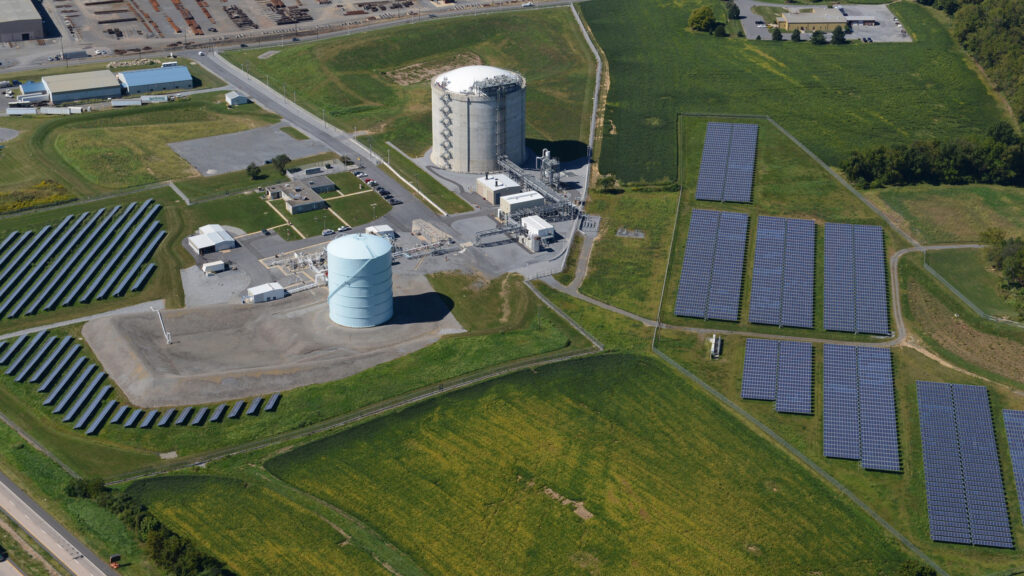
Pennsylvania ranked 15th nationally in solar capacity in 2023, generating just 3.7 percent of its electricity from solar sources compared to a national average of 5.4 percent, according to data from the Solar Energy Industries Association. The state that once led the nation in renewable energy development now lags behind neighbors like New Jersey and New York, undermined by two decades of fossil fuel dominance driven by the shale gas boom.
The nonprofit PennFuture released a comprehensive report this month detailing how Pennsylvania could reclaim its renewable energy leadership. The organization accuses the state legislature of "policy inertia," pointing to failed legislation and stalled initiatives that have allowed natural gas interests to dominate Pennsylvania's energy landscape. PennFuture's analysis identifies specific legislative and regulatory barriers blocking solar expansion across the state.
Pennsylvania's solar potential remains enormous. The state receives sufficient solar irradiance to generate far more renewable electricity than current infrastructure captures. Rooftop installations alone could supply significant portions of residential and commercial energy demand, particularly across Pennsylvania's industrial regions and aging urban centers. Yet deployment remains sluggish compared to neighboring states with comparable geography and climate.
The primary obstacles are clear. Pennsylvania lacks a competitive renewable energy procurement standard that would require utilities to source increasing percentages of electricity from solar and wind. New Jersey and New York both implement aggressive standards that drive investment and development. Pennsylvania's utilities face minimal pressure to transition away from natural gas, which supplies roughly 40 percent of the state's electricity generation. The legislature has repeatedly blocked efforts to strengthen renewable standards or expand solar incentives, most recently in 2023.
Permitting processes also hamper deployment. Unlike states with streamlined interconnection procedures, Pennsylvania's grid connection rules for distributed solar projects remain complicated and time-consuming. Small commercial and residential developers report months-long delays accessing the grid, deterring investment in smaller systems that comprise most solar capacity growth nationally.
PennFuture's report recommends Pennsylvania establish a renewable portfolio standard requiring 30 percent renewable energy by 2030 and 80 percent by 2050. The organization calls for expanded tax credits for residential and commercial installations, simplified grid interconnection rules, and removal of restrictions on third-party solar financing. Similar policies have demonstrably accelerated deployment in neighboring states.
Pennsylvania's energy economy revolves around coal, natural gas, and nuclear power, creating entrenched political opposition to renewable expansion. The state's dominant utility company, Exelon, operates the Peach Bottom and Limerick nuclear stations, leaving nuclear baseload power firmly embedded in regulatory and legislative priorities. Gas producers and coal suppliers maintain significant lobbying influence in Harrisburg.
Yet economic conditions favor solar growth. Installation costs have declined 70 percent since 2010. Solar jobs now outnumber coal jobs nationally. Pennsylvania's workforce possesses strong construction and electrical trades capabilities suitable for rapid solar deployment if legislative barriers vanish.
The state's path forward requires overcoming political resistance rooted in the fracking economy. Environmental advocates say Pennsylvania's legislature must choose between perpetuating gas-dependent systems or allowing market forces and clean energy economics to drive the transition underway across most northeastern states. The choice will determine whether Pennsylvania reestablishes itself as a renewable energy leader or continues falling further behind neighboring jurisdictions.