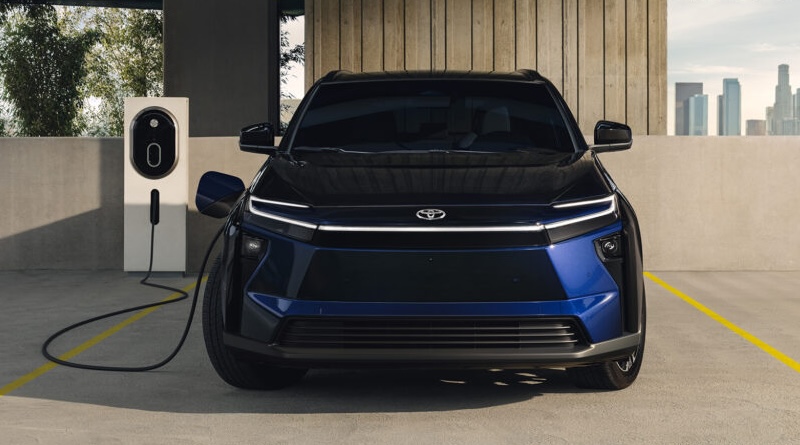
Toyota continues development of fluoride-ion battery technology while simultaneously expanding its electric vehicle lineup in the United States market. The automaker has not abandoned its long-term battery chemistry research, even as it pursues near-term electrification goals through conventional lithium-ion vehicles.
Fluoride-ion batteries represent a potential breakthrough in energy density and performance compared to current lithium-ion technology. These batteries operate on a different electrochemical principle, using fluoride ions as charge carriers rather than lithium ions. Laboratory research suggests fluoride-ion systems could deliver significantly higher energy density, potentially enabling longer driving ranges and faster charging times. However, substantial engineering challenges remain. Fluoride-ion chemistry demands specialized electrolytes and cathode materials that withstand harsh operating conditions. Dendrite formation, thermal stability, and manufacturing scalability have all presented obstacles to commercialization.
Toyota's dual-track strategy reflects the realities of the global EV transition. The company cannot wait for next-generation battery chemistry to mature before meeting immediate market demands and regulatory requirements. California's Advanced Clean Cars II rule mandates that all new passenger vehicles sold in the state be zero-emission by 2035. Similar regulations operate across Europe, China, and other major markets. Toyota must deploy competitive lithium-ion electric vehicles now to remain viable in these markets.
Simultaneously, Toyota recognizes that today's lithium-ion technology has inherent limitations. Mining and refining lithium, cobalt, and nickel create environmental and geopolitical vulnerabilities. Battery pack costs, though declining, remain a significant portion of EV pricing. Energy density improvements could reduce the cost per kilowatt-hour and lower the raw material footprint per vehicle.
Toyota has partnered with Japanese materials company Idemitsu on fluoride-ion battery development. The partnership aims to produce laboratory prototypes and eventually pilot production samples. Previous statements from Toyota indicated hopes for a fluoride-ion battery prototype by the mid-2020s, with potential commercialization beyond 2030. No confirmed timeline exists for mass production.
The automaker's current US EV portfolio includes the bZ4X crossover and the upcoming bZ3 and bZ Compact SUV. These vehicles use conventional lithium-ion battery packs from suppliers like BYD and Subaru. Toyota also continues to offer plug-in hybrids and hydrogen fuel cell vehicles as diversified pathways toward decarbonization.
This layered approach positions Toyota to compete across multiple technology windows. First-generation EVs satisfy current regulatory and consumer demands. Second-generation vehicles using improved lithium-ion chemistry and solid-state batteries will arrive in the late 2020s. Fluoride-ion technology, if successful, becomes available for third-generation platforms in the 2030s and beyond.
The stakes remain high. Global automotive electrification accelerates annually. Chinese EV makers, backed by domestic battery manufacturers, gain market share globally. Legacy automakers like Toyota face pressure to demonstrate battery innovation capability while delivering competitive products immediately. Fluoride-ion batteries represent Toyota's hedge against lithium-ion becoming a commodity technology controlled by Asian battery suppliers. Establishing proprietary battery chemistry could provide Toyota with cost advantages and supply chain independence that pure automotive assembly cannot achieve.