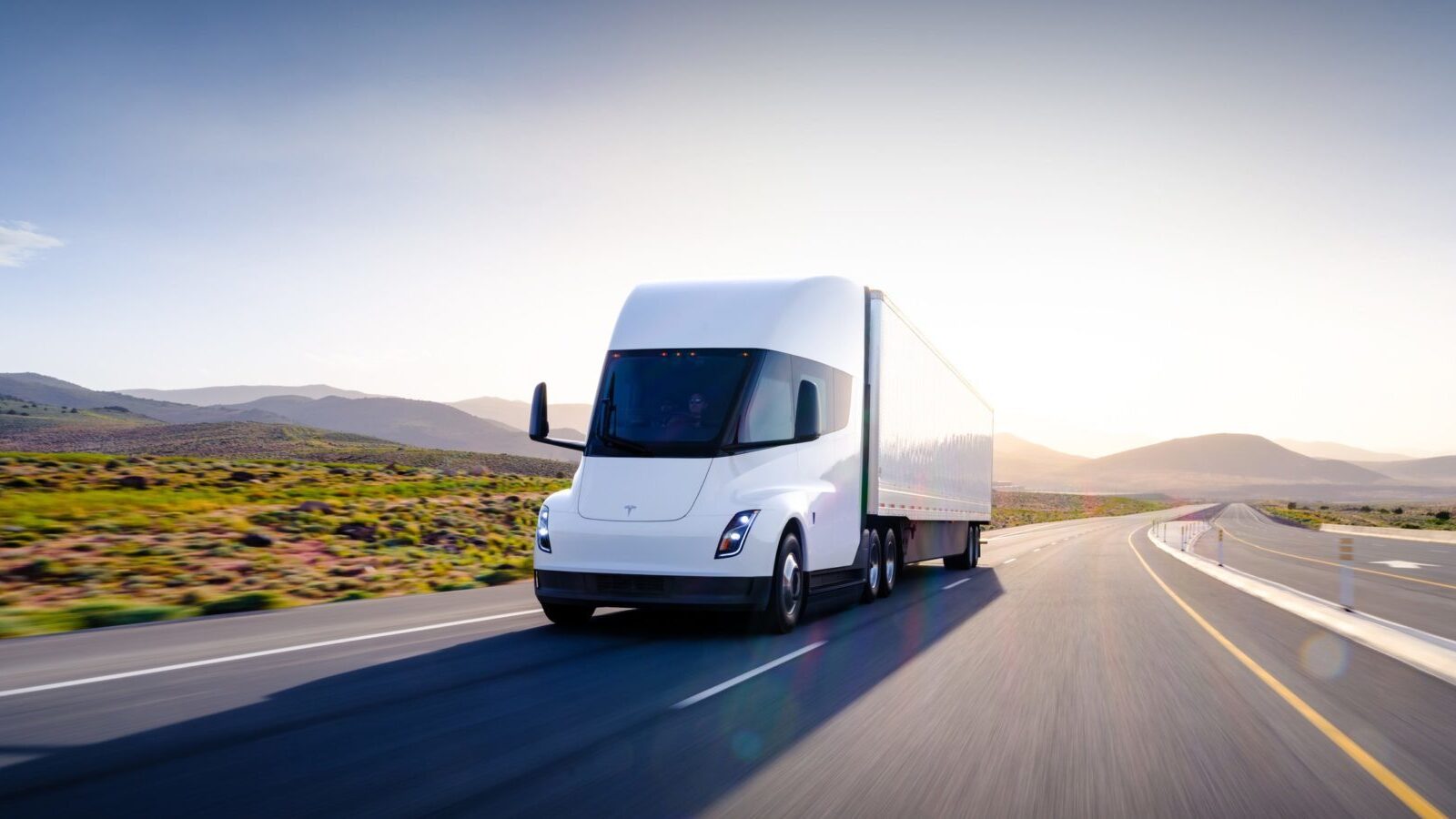
The Tesla Semi enters European markets as the electric truck program reaches a production milestone with its largest commercial order to date, signaling accelerating adoption of battery-powered heavy-duty vehicles in the region.
Tesla unveiled the Semi in 2016 with promises of rapid commercialization. The vehicle has undergone a prolonged development cycle, moving through pilot deployments with major logistics companies before reaching volume production at Tesla's Nevada Gigafactory. The European expansion marks the first international deployment of the technology, opening a market where diesel trucks dominate long-haul transport and regulatory pressure for decarbonization intensifies.
Heavy-duty trucking accounts for roughly 27 percent of transportation emissions in the European Union, making truck electrification central to the bloc's 2050 carbon neutrality target. The EU's Euro 7 emissions standards, set to take effect in 2026, impose strict limits on nitrogen oxides and particulate matter. Electric vehicles eliminate tailpipe emissions entirely, positioning them as compliance solutions for fleet operators facing fines under tightening rules.
The record order demonstrates commercial viability where skeptics questioned demand. Companies operating freight routes measure vehicle value through total cost of ownership: purchase price, fuel costs, maintenance, and downtime. Tesla's Semi operates at roughly 26 kilowatt-hours per mile, according to the company's specifications. At European electricity prices averaging 0.15 to 0.25 euros per kilowatt-hour, charging costs drop significantly below diesel fuel costs of 1.20 to 1.50 euros per liter for equivalent distance. Reduced brake wear and no engine oil changes lower maintenance expenses by 40 percent compared to diesel trucks.
Range emerges as the technical threshold. Tesla rates the Semi at 500 miles per charge, sufficient for most European distribution routes. The truck's 12-minute rapid charging capability using Tesla's Megacharger network addresses the operational constraint of battery swaps or extended downtime. The company has begun deploying Megacharger infrastructure across Europe to support cross-border freight corridors.
Competitors accelerate development in response. Volvo's FH Electric, Scania's battery trucks, and MAN's eTruck models enter production during 2025 and 2026. Daimler's eActros lineup already operates commercial routes in Germany and Scandinavia. This competitive pressure forces Tesla to establish market share before entrenched manufacturers capture fleets through dealer networks and service relationships.
The European deployment tests Tesla's supply chain outside North America. Battery production constraints limit global vehicle output. Tesla's European Gigafactory in Berlin currently produces the Model Y; expanding Semi manufacturing requires dedicated battery allocation and factory capacity. Regulatory certification for each market adds complexity and timeline pressure.Fleet operators in logistics, food distribution, and manufacturing sectors place orders based on delivery timelines. Order backlogs indicate confidence in the product but require Tesla to demonstrate consistent production and reliable service support across multiple countries. The largest order creates accountability and performance pressure.
European adoption accelerates the broader transition from internal combustion engines in commercial transport. Once fleet operators deploy semis operationally over 12 to 18 months, data on real-world efficiency, charging reliability, and maintenance costs influences purchasing decisions for the next truck purchase cycle. Success in Europe positions electric semis as economically competitive, not merely regulatory compliance purchases.