# Secret Plan to Dump Slaughterhouse Waste Blindsided Residents of Iowa's Loess Hills
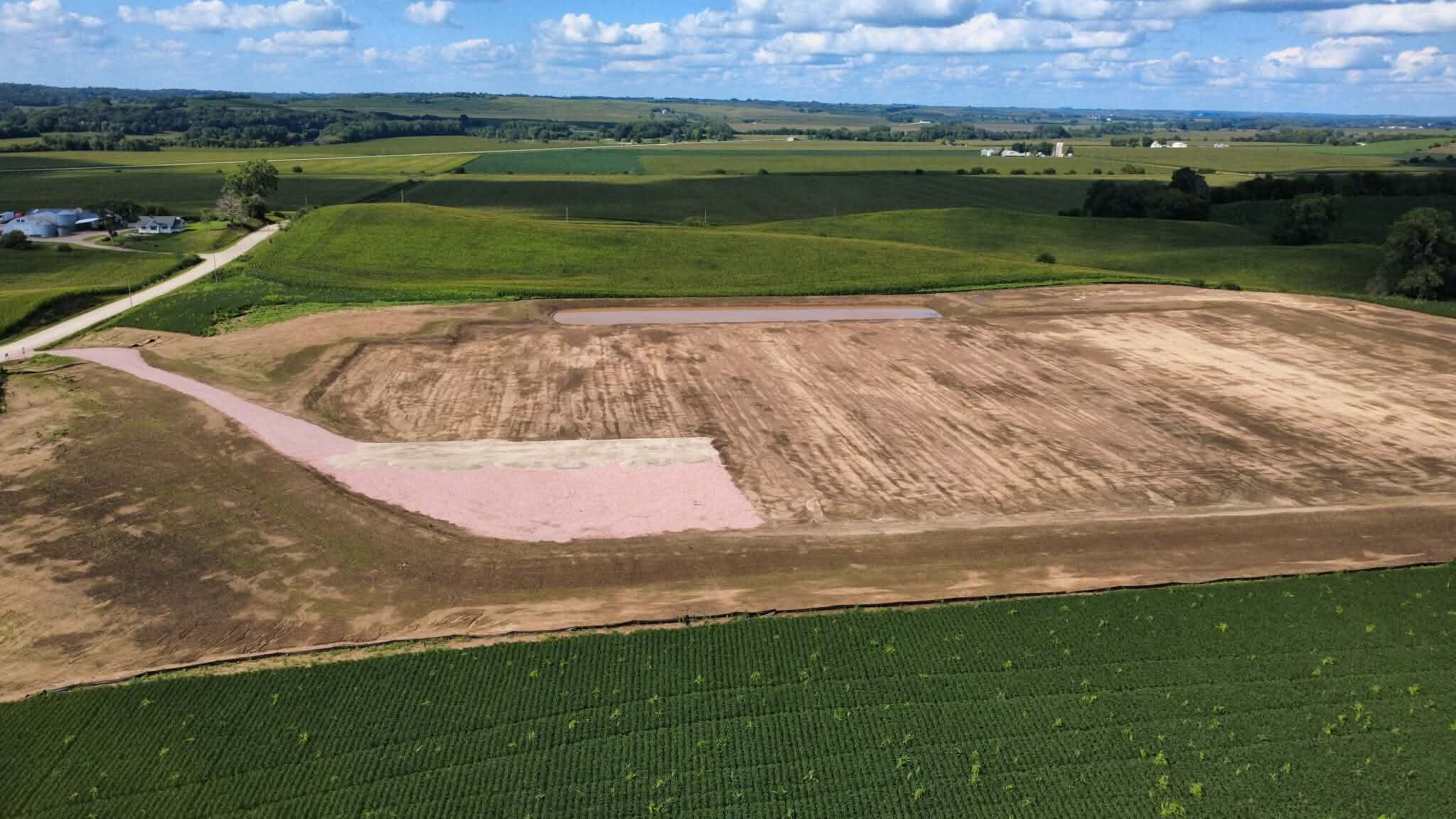
A massive excavation pit the size of five football fields materialized adjacent to Center Cemetery in Castana, Iowa without public notice or community input. The site straddles the Loess Hills, a 200-mile geological formation of bluffs and ridges along the Missouri River valley in western Iowa, a landscape shaped by wind-deposited sediment over millennia.
The excavation pit represents the groundwork for a disposal operation that would accept slaughterhouse waste. Residents discovered the project after the machinery arrived, meaning local stakeholders had no opportunity to voice concerns before construction began. This pattern reflects a broader regulatory gap in how meatpacking waste disposal projects gain approval in rural Iowa.
Slaughterhouse waste streams include animal by-products, blood, bone, tissue, and wastewater with high organic loads. When disposed improperly, these materials create serious water quality and public health risks. The Loess Hills sit atop the Woodbury County aquifer, which supplies drinking water to surrounding communities. The porous nature of loess soil, deposited by wind rather than water, makes it particularly vulnerable to contamination. Nutrients from animal waste can trigger algal blooms in groundwater systems. Pathogens from slaughterhouses, including E. coli and Salmonella, persist in poorly managed waste streams.
Iowa hosts the highest concentration of meatpacking facilities in the United States. The state's four largest slaughterhouses process more than 4 million pigs annually. Each facility generates thousands of tons of waste daily. Current disposal capacity has become strained. Many rural counties lack adequate infrastructure for handling these volumes, creating pressure to develop new sites with minimal environmental review.
State oversight depends on wastewater permits issued by the Iowa Department of Natural Resources. These permits allow facilities to discharge treated effluent to surface waters or land-apply waste as fertilizer. The permitting process typically involves public notice periods and opportunity for comment, but enforcement remains inconsistent. A 2023 audit by the State Auditor's Office found the DNR lacked sufficient staffing to monitor compliance with existing permits. The agency reported processing over 800 wastewater permits with a staff of 12 engineers.
The Loess Hills have cultural and ecological significance beyond water resources. The formation contains archaeological sites connected to Native American tribes. The hills also support rare plant communities adapted to steep terrain and wind-driven conditions. Excavation and waste disposal threaten both.
Castana residents filed complaints with county supervisors and the DNR after discovering the pit. Iowa law requires county boards to approve conditional use permits for certain waste disposal operations, but regulatory authority remains fragmented. The Iowa Environmental Council, a nonprofit advocacy organization, stated that projects like this demonstrate gaps in state environmental review processes.
The incident raises questions about corporate transparency in rural zoning decisions. Meatpacking companies often propose infrastructure projects in agricultural areas where regulatory scrutiny proves lighter and public opposition faces structural disadvantages. Small towns lack resources to hire environmental consultants or legal counsel to challenge permitting decisions.
State lawmakers have proposed bills to strengthen notice requirements for waste disposal projects and increase DNR inspection funding. None have passed into law. Until those changes occur, communities with limited infrastructure and regulatory attention remain vulnerable to projects that prioritize industry convenience over environmental protection and resident consent.