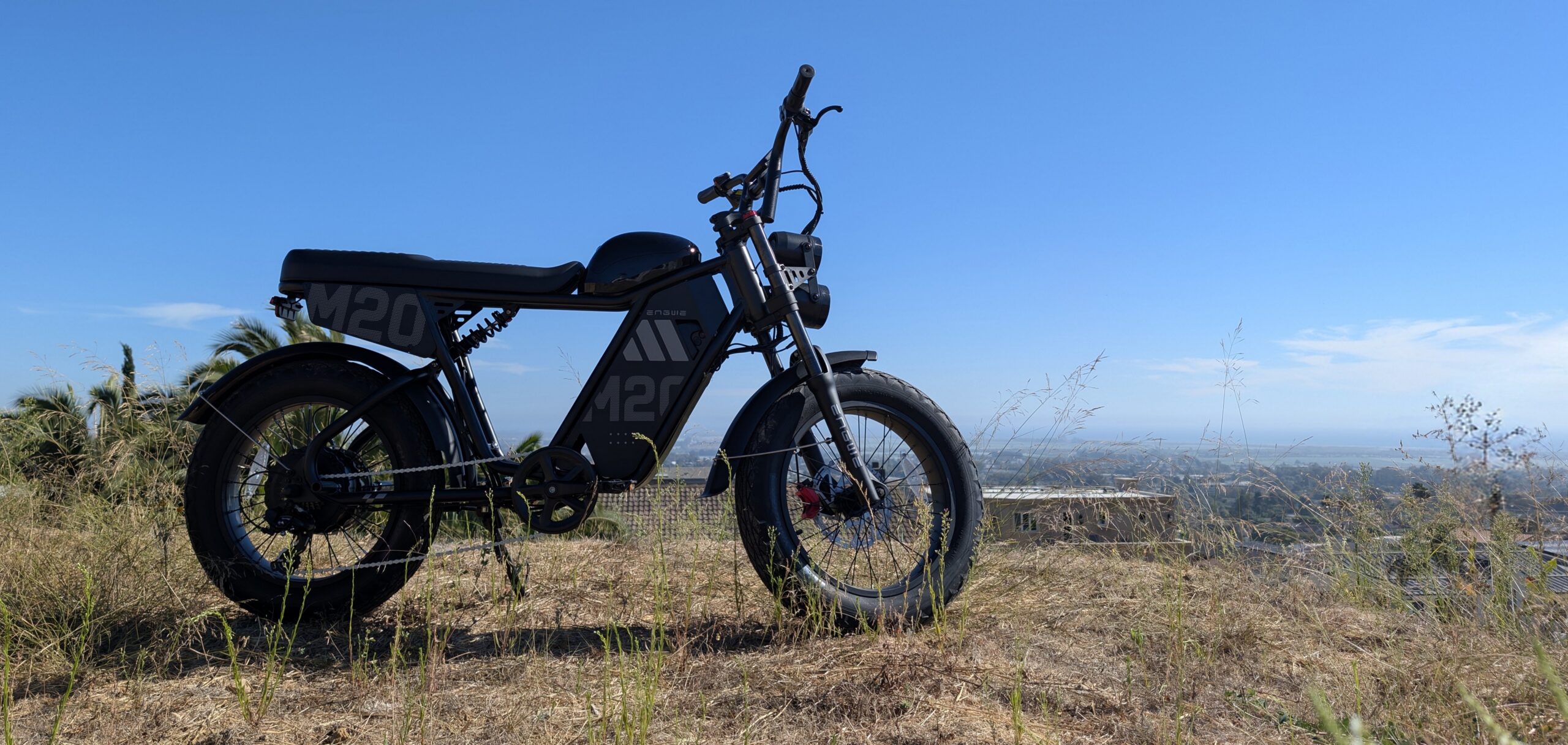
ENGWE, a prominent electric bicycle manufacturer, has released the M20 3.0, a high-powered e-bike that extends the company's portfolio of motorized two-wheelers designed for urban and suburban commuting. CleanTechnica tested the new model, which represents an iteration of ENGWE's moped-style electric bikes marketed in North America.
The M20 3.0 targets a specific market segment that sits between traditional pedal-assist e-bikes and full electric motorcycles. These vehicles reduce reliance on gasoline-powered transport while offering practical alternatives for daily commutes. E-bikes and electric mopeds have gained adoption as cities work to lower transportation emissions, which account for roughly 27 percent of U.S. greenhouse gas emissions according to the EPA.
ENGWE has built its reputation over several years by manufacturing e-bikes at scale. The company operates in a growing industry where manufacturers compete on motor power, battery capacity, range, and design. The M20 3.0 designation suggests this is at least the third generation of this particular model line, indicating ENGWE has refined the platform based on earlier versions and market feedback.
The testing process itself represents how consumer-focused publications evaluate electric mobility products. CleanTechnica, which covers clean energy and transportation technology, conducts hands-on evaluations to assess real-world performance metrics. These reviews inform potential buyers about acceleration, top speed, battery range, build quality, and user experience. ENGWE provided the test unit directly to the reviewer, a common practice in product evaluation that requires disclosure.
The moped-style classification describes the vehicle's ergonomics and positioning rather than its legal classification. These bikes typically feature larger frames, foot pegs, and more motorcycle-like geometry compared to traditional diamond-frame bicycles. The motorized assistance provides propulsion without requiring constant pedaling, making them practical for longer distances and heavier cargo than conventional e-bikes.
Market adoption of electric bikes and mopeds reflects broader transportation shifts. Between 2020 and 2023, U.S. e-bike sales grew from roughly 600,000 units annually to over 1 million units, according to the Light Electric Vehicle Association. This growth correlates with increased awareness of transportation's carbon footprint and efforts to reduce vehicle miles traveled by personal automobiles.
The "extra power" referenced in the M20 3.0's name likely indicates increased motor wattage or battery capacity compared to previous iterations. Higher wattage motors deliver faster acceleration and better hill-climbing ability. Enhanced battery capacity extends range, reducing charging frequency and making the vehicle viable for longer commutes.
Regulatory considerations matter for these devices. E-bikes fall into different legal categories depending on motor power and speed capabilities. Federal regulations cap Class 3 e-bikes at 750 watts and 28 miles per hour, though states enforce varying standards. Moped-style vehicles with higher power outputs face stricter classification requirements and may require registration, insurance, and licensing depending on jurisdiction.
ENGWE's position as a top global e-bike builder reflects the company's manufacturing scale and distribution network. The brand operates in multiple markets, adapting products to regional regulations and consumer preferences. The U.S. market expansion demonstrates growing confidence in North American demand for electric two-wheelers.
The M20 3.0 review provides prospective buyers with performance data and handling impressions. As electric two-wheelers gain market share, transparent testing helps consumers select vehicles matching their commuting needs and local regulations.