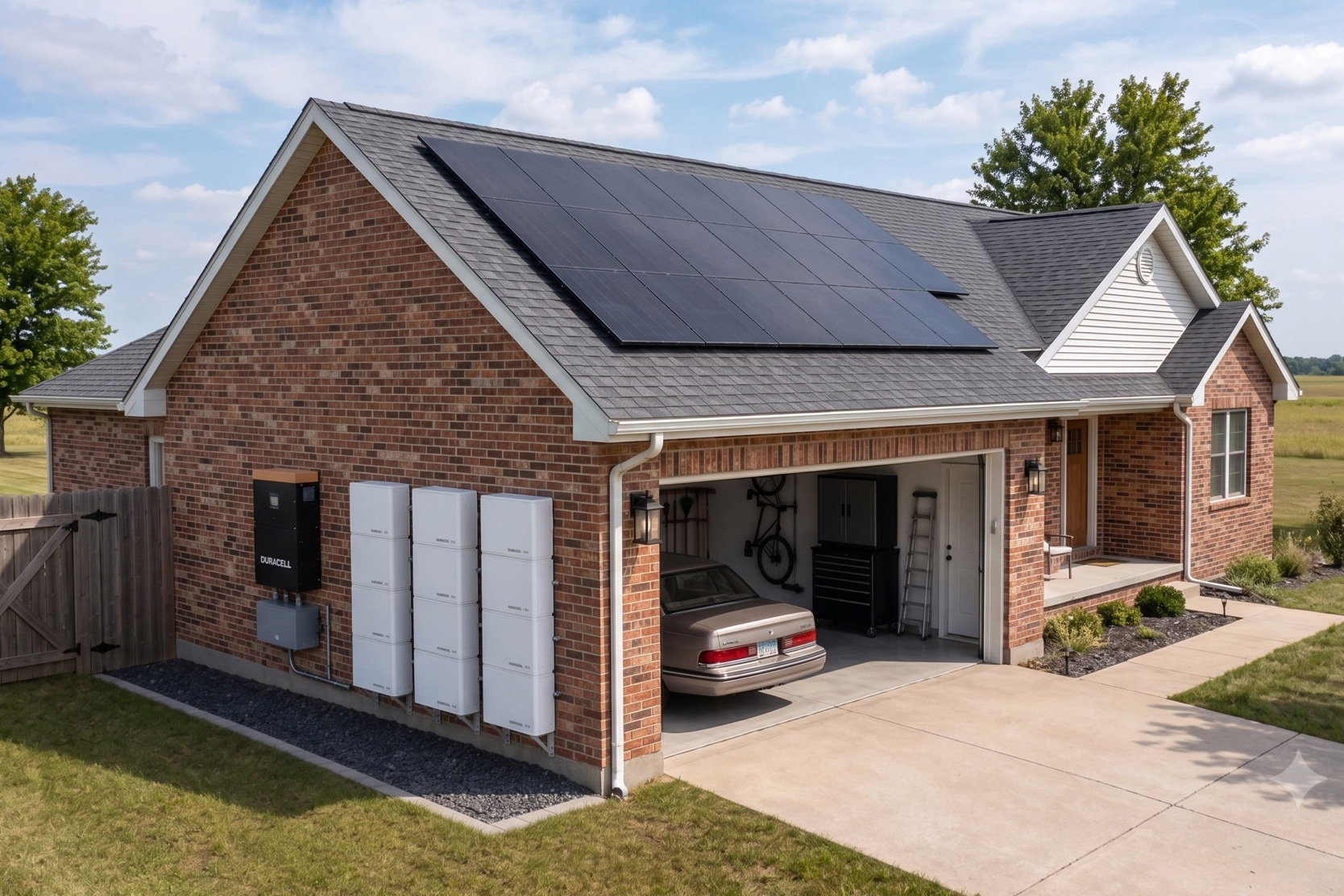
Solrite Energy launched a virtual power plant program in Illinois that offers residential battery storage at $20 monthly while enabling grid support during peak demand periods. The program represents Illinois's adoption of distributed energy resources that aggregate small-scale storage systems into a network capable of stabilizing the electrical grid without building new power plants.
Virtual power plants function by connecting numerous household batteries through software platforms. During high-demand hours, the system dispatches stored energy back to the grid, reducing strain on transmission infrastructure and deferring costly infrastructure upgrades. Illinois joins California, Texas, and other states recognizing that distributed battery networks can provide grid services traditionally supplied by fossil fuel plants.
Solrite's model addresses two barriers to residential battery adoption: upfront costs and energy self-sufficiency incentives. By subsidizing monthly costs through grid service revenues, the company makes battery storage accessible to middle-income households that would otherwise struggle to justify $10,000 to $15,000 installation expenses. Participating households retain battery access for personal use during outages while contributing excess capacity to grid operations when available.
Illinois benefits from timing. As the state accelerates coal plant retirements and integrates wind generation, grid operators need rapid-response resources to manage variable renewable output. Battery storage responds in milliseconds, faster than traditional generators. The Illinois Power Agency and utilities including Commonwealth Edison face increasing frequency of demand peaks driven by electrification of transportation and heating.
The program's economics depend on wholesale market pricing. Virtual power plants earn revenue through energy arbitrage, selling stored power during peak-price hours and recharging during off-peak periods. Federal Investment Tax Credits covering 30 percent of battery costs, extended through the Inflation Reduction Act, lower customer expenses further.
Early results from California's virtual power plant initiatives showed that aggregated residential batteries prevented rolling blackouts during 2022's peak demand events. The California Independent System Operator coordinated roughly