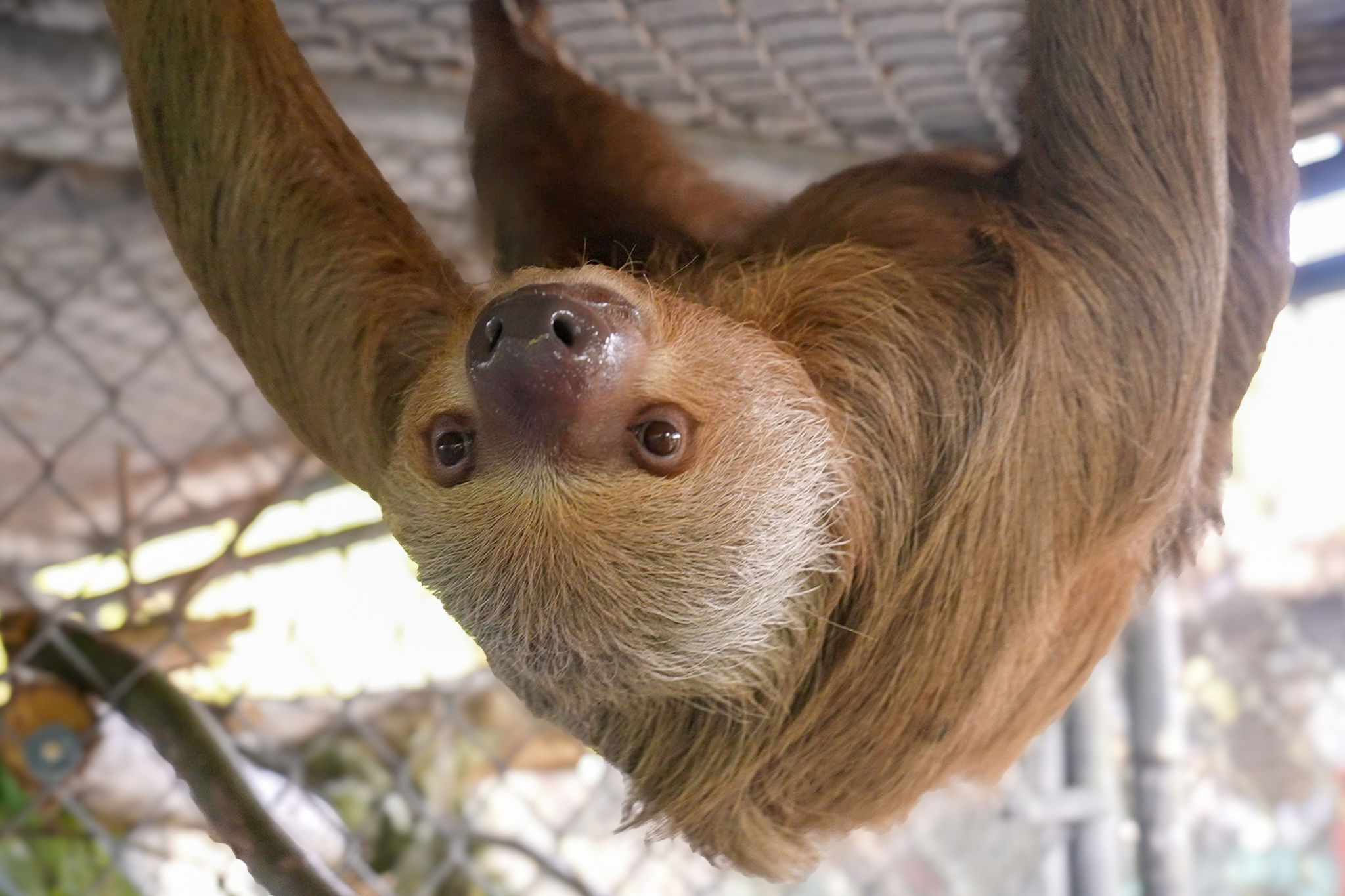
The Orange County Sheriff's Office released investigative findings on the deaths of more than 50 sloths at a Florida wildlife attraction, concluding no criminal charges would be filed despite documented evidence of severe animal suffering.
Sheriff's investigators documented sloths in critical condition. Animals showed signs of extreme malnutrition and dehydration. One sloth exhibited neurological distress, foaming at the mouth. Another remained immobilized on the ground for two days, covered in feces, before dying. The facility operated as a planned tourism venue despite these conditions.
The decision not to prosecute raises questions about Florida's animal welfare enforcement. State and federal agencies oversee wildlife attractions through permitting and inspection protocols. The U.S. Department of Agriculture licenses facilities holding exotic animals. Florida's Fish and Wildlife Conservation Commission maintains jurisdiction over animal care standards. No criminal charges suggest investigators found insufficient evidence to prove willful neglect under Florida statutes, though the documented conditions indicate systematic failure in animal care.
The sloth deaths point to broader gaps in exotic animal oversight. Private facilities housing non-native species often operate with minimal regulatory scrutiny until complaints surface. Tourism attractions prioritizing profit margins over veterinary standards create conditions where animals deteriorate undetected. Staff training deficiencies and inadequate nutrition protocols contributed to the deaths.
The case parallels other documented cases of exotic animal facilities with poor conditions. Investigation reports typically reveal animals received insufficient medical attention, improper housing, and unsuitable diets. Law enforcement agencies often struggle to prosecute because animal welfare violations require proving intentional cruelty rather than negligence alone.
This incident underscores enforcement weaknesses in exotic animal regulation. Administrative citations and facility shutdowns represent the primary regulatory tools available when criminal prosecution fails. The Florida Fish and Wildlife Conservation Commission may impose penalties or revoke permits, but these remedies come after animals suffer fatal consequences.
The absence of criminal charges does not indicate