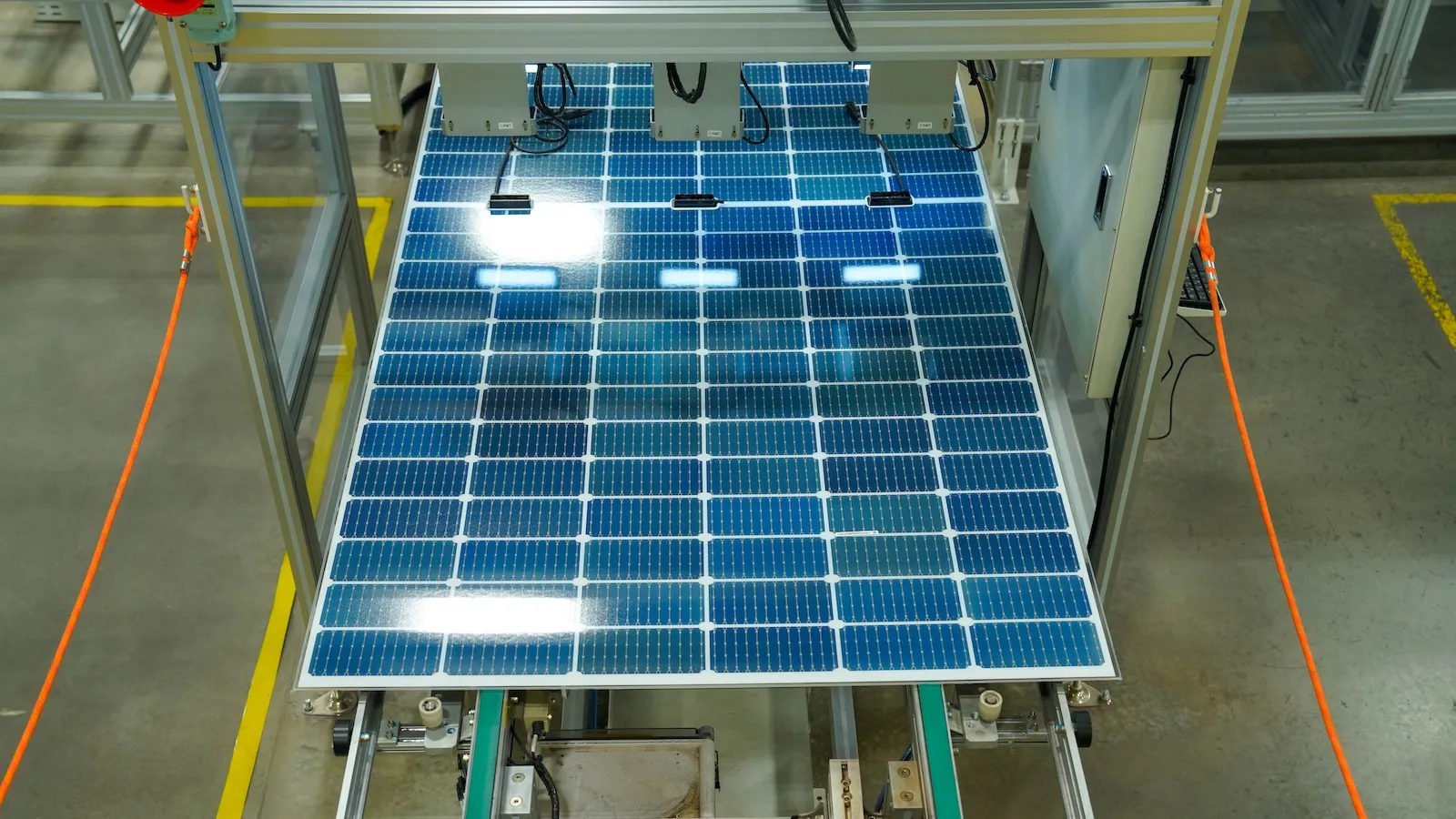
Hanwha Q Cells, a South Korean solar manufacturer, operates a panel factory in Georgia that has navigated shifting federal incentives and trade policies. The facility benefited from Biden administration tax credits under the Inflation Reduction Act, which offered 30 percent investment tax credits for domestic solar manufacturing. These credits helped the company expand production capacity in the United States.
The Trump administration's return to office introduces tariff policies that could reshape the competitive landscape. Trump has proposed new tariffs on solar equipment imports, particularly from China and Southeast Asia. For Qcells, already producing domestically, these tariffs might reduce competition from cheaper overseas manufacturers and protect its market share.
The Georgia factory represents a broader tension in U.S. solar policy. Biden's approach emphasized demand-side subsidies for installation and supply-side manufacturing incentives. Trump's tariff strategy relies on trade barriers to support domestic production. Both approaches aim to expand American solar capacity but use different mechanisms.
Qcells employed roughly 400 workers at its Georgia facility when it announced the expansion. The company's survival under shifting administrations depends on maintaining production efficiency competitive with imports, even with tariff protection. Industry analysts note that tariffs increase costs for installers, potentially slowing deployment despite protecting manufacturers.
The uncertainty around solar policy creates challenges for long-term investment planning across the industry. Manufacturers cannot predict whether future administrations will maintain tariffs, expand tax credits, or pursue different strategies. Supply chain costs remain volatile, with polysilicon prices and panel manufacturing capacity globally affecting domestic operations.
Qcells' position illustrates how international manufacturers have learned to operate within American policy volatility. The company maintains production facilities in multiple countries, allowing it to adjust operations based on tariff rates and incentive structures. For the Georgia factory to remain viable long-term, it must compete on cost and efficiency regardless of which policy approach dominates. The solar