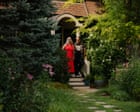
James Reed McGuire and Crystal Fritz removed their lawn in Highland Park, Illinois, replacing turf with native plants. McGuire, an avid birder, rejected the environmental void of conventional turf grass. The couple transformed their suburban yard into habitat that supports local wildlife while joining a growing movement across the United States to rethink residential landscaping.
Lawn replacement projects address a concrete environmental problem. Turf grass monocultures consume water, require chemical inputs, and provide no nutritional value for insects, birds, or pollinators. Native plant landscapes do the opposite. They sequester carbon, require minimal irrigation once established, support entire food webs, and reduce stormwater runoff that contaminates waterways.
The McGuire-Fritz project matters because American lawns cover roughly 40 million acres, an area larger than New England. This turf uses more water than any irrigated crop in the United States. Residential landscaping accounts for substantial pesticide application in suburban areas, with homeowners applying herbicides and insecticides at rates per acre that exceed agricultural use.
Native plant conversions flip these metrics. A yard planted with species evolved to local conditions produces seeds and nectar for migrating birds and monarch butterflies. Plants adapted to regional rainfall reduce irrigation demand. Eliminating chemical inputs protects soil microbiomes and downstream water quality.
The couple's transformation illustrates practical feasibility. Despite being novice gardeners, they successfully identified which native species thrived in their zone and climate. Their results include increased bird activity and pollinator populations that were absent from their lawn.
This residential-scale approach scales nationally. Habitat fragmentation limits wildlife corridors; lawns intensify this fragmentation by creating ecological deserts. When thousands of homeowners convert even partial yards to native plantings, cumulative habitat restoration emerges. The Audubon Society and other conservation groups document this