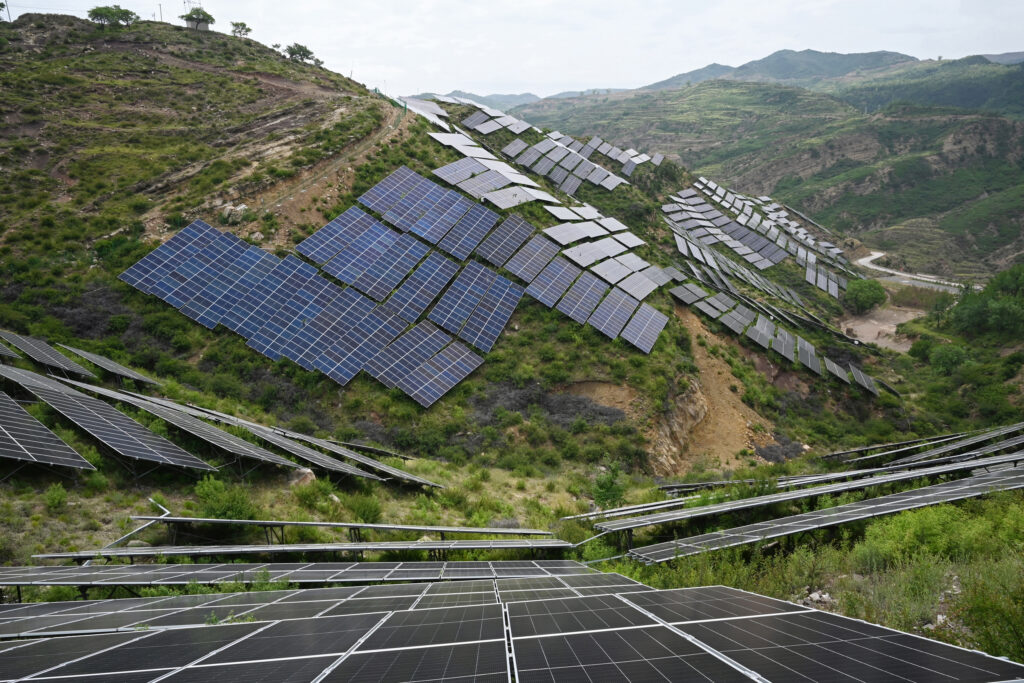
China's rapid solar expansion delivers a hidden ecological cost. A study published Thursday in Science documents that large-scale photovoltaic projects have reduced bird diversity across the country, even as the nation leads global renewable energy deployment.
Researchers analyzed bird populations in regions undergoing solar development and found measurable declines in species diversity tied directly to project construction and operation. The findings emerge as China has installed solar capacity nearly matching the entire U.S. electrical grid, making the nation's photovoltaic buildout the world's largest.
The research identifies habitat fragmentation as the primary mechanism driving bird losses. Solar farms convert grasslands, shrublands, and other open ecosystems into infrastructure landscapes. The massive panels alter light, temperature, and vegetation patterns that birds depend on for feeding and nesting. Migration corridors become blocked or degraded.
China's aggressive solar targets, mandated through national policy, prioritize rapid capacity additions over ecological planning. The government deployed installations across regions with high biodiversity value, including Important Bird Areas and protected habitats, often without adequate environmental impact assessments.
The study authors propose concrete policy reforms. Wildlife corridors should be maintained between solar projects. Site selection protocols must exclude sensitive bird habitats. Developers could incorporate vegetation management practices that restore understory plants beneath panels, creating functional habitat corridors. Adjusting panel heights and spacing allows ground-nesting birds to access areas.
These measures carry modest cost implications but significantly reduce ecological damage. The research challenges the premise that renewable energy development is automatically environmentally beneficial. Scaling photovoltaics without landscape-level planning creates tradeoffs that undermine broader conservation goals.
China's policymakers now face pressure to integrate biodiversity protection into renewable energy expansion. The nation's climate commitments require continued solar growth, but implementation strategies determine whether that growth regenerates or destroys ecosystems. The study provides a roadmap for achieving both objectives.