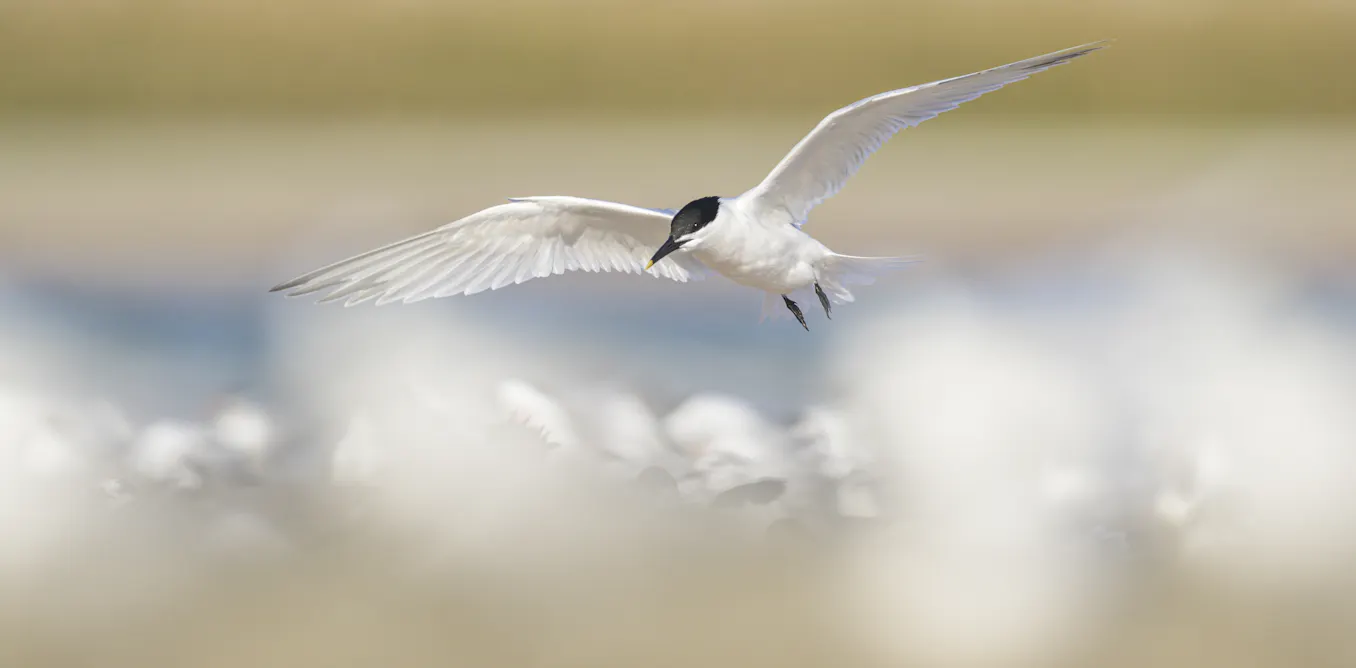
Australia faces its first significant bird flu outbreak as global outbreaks demonstrate the virus's capacity for rapid spread and ecological damage. Multiple countries across Europe, Asia, and North America have experienced devastating waves of avian influenza in recent years, offering critical lessons for Australian biosecurity preparedness.
The H5N1 strain has proven particularly lethal to wild birds and poultry populations worldwide. In Europe, the 2022-2023 season saw unprecedented mortality rates among seabirds, with some colonies experiencing near-total die-offs. Infected birds transmit the virus through respiratory droplets and fecal matter, allowing rapid dissemination across regions and continents via migratory routes.
Japan documented over 100 million poultry deaths from avian flu between 2021 and 2023. South Korea implemented mass culling operations affecting millions of birds. The United States reported detections in dairy cattle herds in 2024, expanding beyond traditional poultry concerns. These responses reveal the economic costs of outbreak management and the difficulty of containment once community spread begins.
Australia's island geography offers distinct advantages absent in other regions. Strict quarantine protocols for imported birds and biosecurity measures at ports can slow viral introduction. However, existing surveillance networks require enhancement. Early detection systems in wild bird populations provide crucial early warning before domestic poultry becomes infected.
Overseas experience demonstrates that speed matters. Countries implementing rapid testing protocols and establishing quarantine zones around positive detections achieved better containment outcomes than those with delayed responses. Australia should strengthen laboratory capacity for avian influenza testing and establish clear protocols for reporting suspected cases.
Wildlife management presents another consideration. Australia's diverse bird populations mean monitoring requirements extend beyond poultry operations. Collaboration between agricultural agencies, wildlife authorities, and research institutions proved effective internationally in tracking virus circulation through wild populations.
The financial preparedness gap also demands attention. Countries that invested