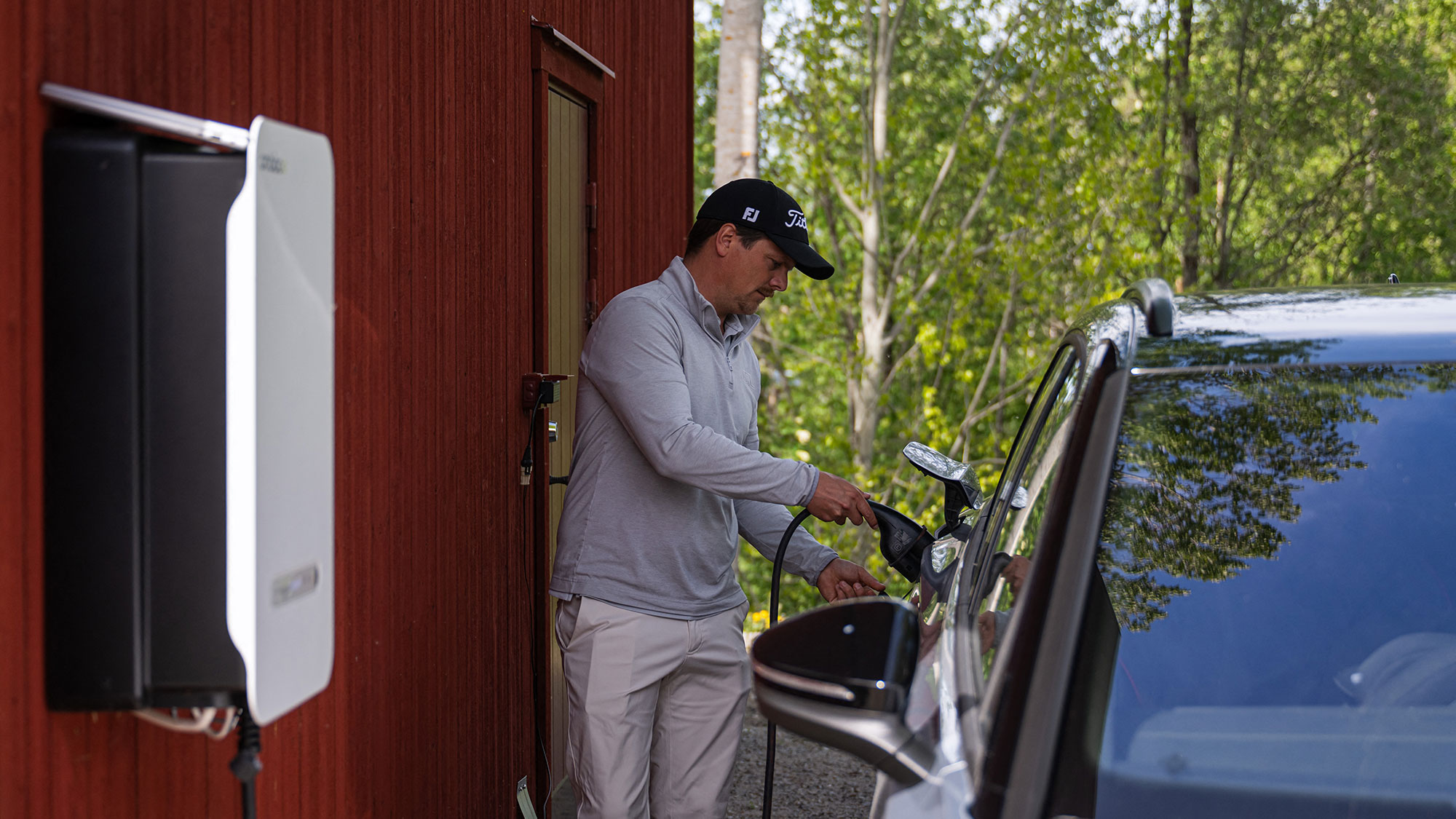
Vehicle-to-grid technology transforms electric vehicles from one-way power consumers into bidirectional energy assets. As utilities increasingly rely on intermittent renewable sources like wind and solar, parked EVs with charged batteries can discharge power back into the grid during peak demand periods, stabilizing voltage and frequency while reducing strain on transmission infrastructure.
The mechanics are straightforward. EV batteries store renewable energy when production peaks, typically during midday hours for solar. During evening peak demand or when renewables drop offline, grid operators dispatch that stored power back through the same charging ports. Modern bidirectional chargers enable this flow in both directions. Vehicle owners receive compensation from utilities for the ancillary services their batteries provide, offsetting charging costs and generating revenue during high-value discharge periods.
Several pilot programs demonstrate viability. Pacific Gas and Electric tested V2G capacity in California, while Nissan and Enel established programs across Europe. Japan's Chubu Electric Power compensates EV owners up to 60,000 yen annually for grid services. These pilots show that distributed battery capacity from thousands of vehicles can replace costly peaking power plants and reduce reliance on less flexible natural gas turbines.
The grid integration accelerates as EV adoption rates climb. California projects 8 million EVs on roads by 2035. Collectively, their batteries represent over 2,000 gigawatt-hours of storage capacity, roughly equivalent to 10 large utility-scale battery installations. Coordinating this fleet prevents overloaded transmission corridors during extreme weather events while deferring expensive infrastructure upgrades.
Regulatory frameworks now support monetization. The Federal Energy Regulatory Commission opened wholesale electricity markets to distributed resources including vehicle batteries. State regulators in New York and Massachusetts mandated utility programs compensating V2G participation. These policies create financial incentives aligning individual EV owner interests with grid reliability needs.