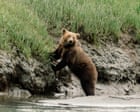
A rehabilitation program in British Columbia released twelve orphaned grizzly bear cubs into the wild after up to a year of care. Ten of the twelve bears died within one year of release, according to research by bear specialist Dr Lana M Ciarniello published in Frontiers in Conservation Science.
The cubs had been fed high-calorie diets consisting of roadkill, watermelon, dog food, and public donations during rehabilitation. This feeding regimen failed to prepare them for foraging in their natural habitat. Released bears could not sustain themselves on wild food sources and lacked the behavioral skills to survive independently.
The surviving bears exhibited dangerous behaviors. They approached humans frequently, seeking the calorie-dense foods they had learned to expect in captivity. This habituation to human presence created conflict between bears and communities, undermining wildlife management goals.
Ciarniello emphasizes the core problem. "We humans are inept at taking care of baby animals," she states. The well-intentioned rehabilitation effort, designed to provide public reassurance through "feelgood" releases, produced ecological failure. Limited contact with only two human carers failed to prevent animals from bonding with their rescuers and expecting human-provided food.
The study reveals a fundamental gap between rehabilitation intentions and ecological outcomes. Orphaned cubs require specific training in natural foraging behaviors, territorial establishment, and predator avoidance. Hand-rearing in captivity actively undermines the behavioral development necessary for survival. The high-calorie diet, while ensuring physical growth, creates nutritional expectations incompatible with wild food availability.
This research challenges the conservation narrative surrounding orphan animal rehabilitation. Emotional responses to orphaned wildlife drive public and institutional support for rescue programs, but survival rates demonstrate these interventions often fail. The ten dead grizzlies represent both ecological loss and wasted rehabilitation resources.
Wildlife managers must reassess