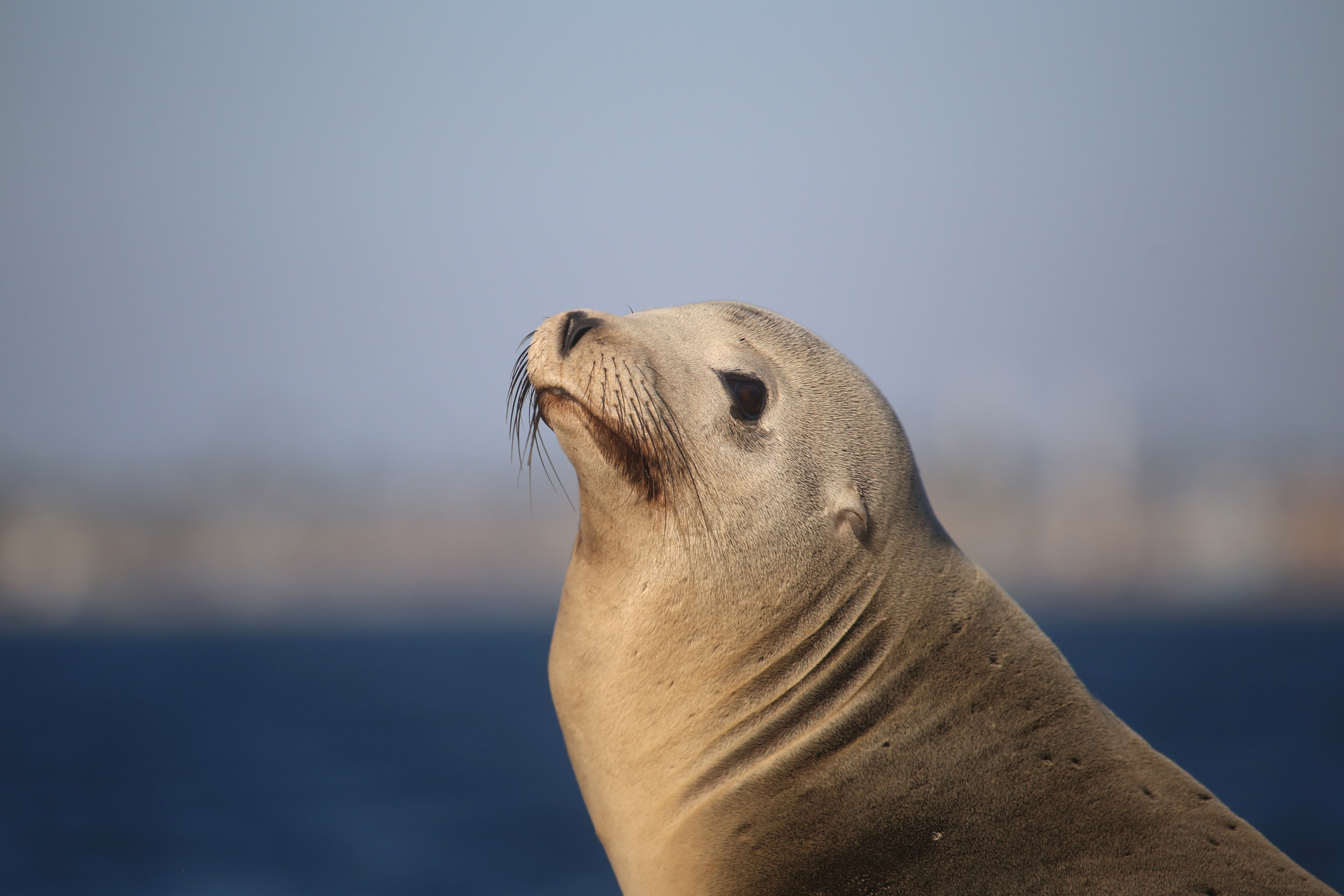
The National Oceanic and Atmospheric Administration has signaled plans to weaken protections for multiple marine species, prioritizing commercial fishing interests over conservation. NOAA directed regional fisheries councils to reconsider safeguards for endangered leatherback turtles in the Western Pacific, Steller sea lion sanctuaries in Alaska, and fishing gear modifications designed to prevent North Atlantic right whale entanglements.
Right whale deaths from fishing gear entanglement represent the leading human-caused mortality threat to the species. Approximately 350 North Atlantic right whales remain in existence. The proposed removal of gear designed to reduce entanglement risk directly contradicts the Marine Mammal Protection Act and the Endangered Species Act, both of which mandate federal protections for threatened animals.
Leatherback turtles traverse ocean basins spanning thousands of miles during migration. Western Pacific protections target fisheries using longlines and gillnets that historically caught and drowned nesting females and juveniles. Steller sea lion sanctuaries in Alaska restrict fishing access near critical breeding and haul-out areas where populations remain depleted after precipitous declines in the 1980s.
NOAA's letters signal a policy reversal toward deregulation. The agency framed the directive as reducing "unnecessary" restrictions on regional fishing economies. However, removing protections carries documented costs. Every right whale death reduces reproductive capacity in an already fragile population. Leatherback nesting data shows population declines correlating directly with years of reduced protection. Steller sea lion populations have shown recovery only within protected zones.
The shift reflects pressure from commercial fishing lobbies and administration priorities favoring extractive industries. NOAA operates within the Department of Commerce, an agency historically aligned with fisheries interests over conservation mandates. Regional fisheries councils, which include fishing industry representatives, now hold authority to determine whether these protections