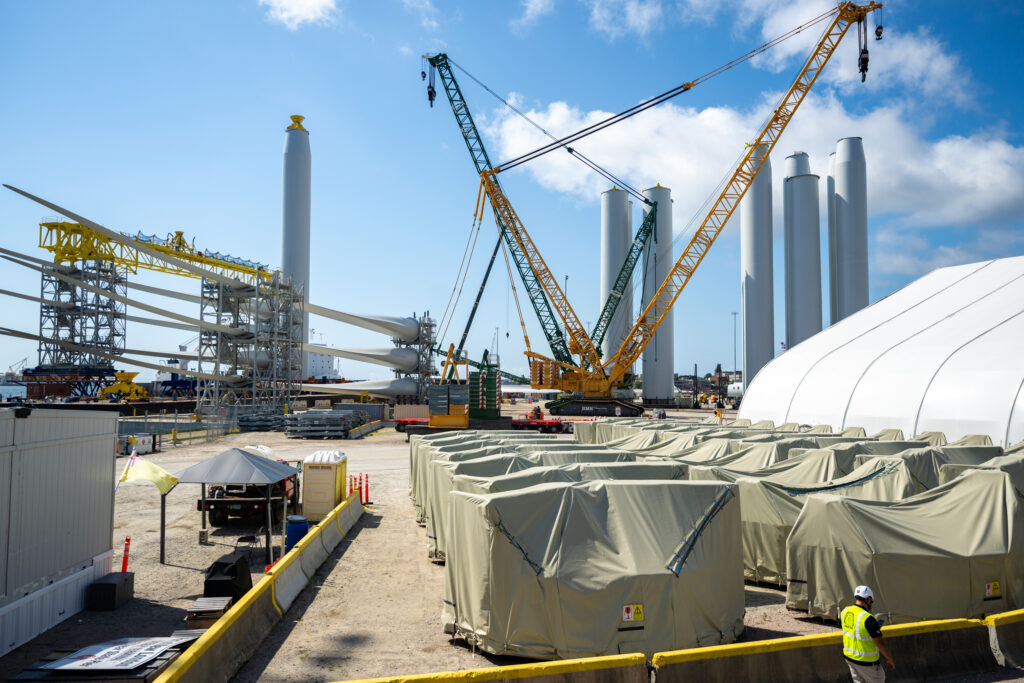
The U.S. offshore wind industry faces structural damage that will persist well beyond Trump's presidency, according to analysis of the sector's current trajectory. The Biden administration had set a target of 30 gigawatts of offshore wind capacity by 2030, sufficient to power roughly 10 million households. That goal now appears unreachable.
Trump's opposition has created cascading problems. His administration reversed key permitting approvals and signaled hostility toward offshore development, triggering project cancellations and investor withdrawals. Developers have shelved multiple East Coast installations, and manufacturers have delayed or abandoned facility expansions planned for U.S. ports.
The damage extends beyond immediate project delays. Long-term supply chains require sustained certainty. Companies make infrastructure investments—staging facilities, installation vessels, manufacturing plants—based on pipeline visibility. When that visibility evaporates, those investments don't materialize. Factories planned for New England and the Mid-Atlantic remain unbuilt. Skilled workforces fail to develop.
Foreign competitors have seized momentum. Denmark, Germany, and China continue rapid offshore expansion while U.S. capacity stalls. This shifts global manufacturing advantage overseas. Even if a future administration reverses course, rebuilding domestic capacity takes years. Supply chains once lost take time to reestablish.
The timing compounds the problem. The 2020s represent a critical window for renewable deployment if the U.S. intends to meet mid-century climate targets. Every year of delayed offshore wind construction narrows that window. Grid operators have already factored assumed offshore capacity into their decarbonization roadmaps. Shortfalls force reliance on other renewables or delay electrification timelines.
Financial markets have absorbed the uncertainty. Investment banks downgraded offshore wind company valuations. Stock prices fell. Debt financing became costlier. The sector faces a liquidity crunch that lin