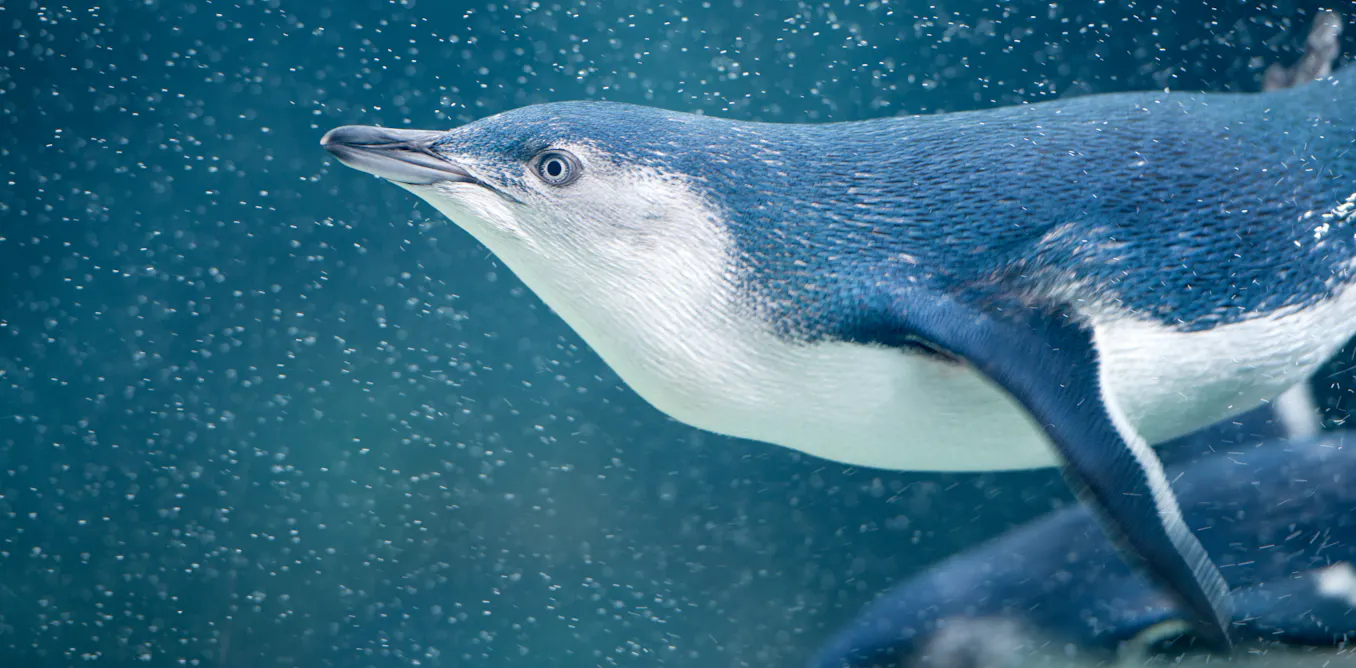
Australia will vaccinate more than 5,000 little penguins against avian influenza at Phillip Island, Victoria, in response to outbreaks that have devastated seabird populations across the country. The program represents the first large-scale wildlife vaccination effort against bird flu anywhere in the world.
Little penguins, the smallest penguin species at 33 centimeters tall, breed and nest in burrows on the island. Their predictable nightly return behavior and fixed nesting sites make them accessible for vaccination campaigns that would be impractical for most wild bird populations. Researchers will administer the vaccine during the birds' breeding season when they return to land each evening.
Australia has documented severe avian influenza mortality in multiple seabird species. In 2022, an outbreak killed hundreds of thousands of terns, and subsequent waves have affected penguins, cormorants, and other colonial nesting species. The H5N1 strain circulating in Australia poses a direct threat to little penguins, whose populations already face pressure from predation, habitat loss, and disease.
The vaccine targets the H5 strain, providing protection against the dominant variant affecting Australian seabirds. Studies from controlled trials show the vaccine reduces infection severity and mortality rates. However, vaccinating wild populations presents logistical challenges. Researchers must balance intervention benefits against stress from capture and handling, particularly during breeding season when chicks depend on adult attendance.
Success depends on achieving sufficient vaccination coverage to slow transmission within the population. If vaccination rates reach 70 to 80 percent, herd immunity effects could protect unvaccinated birds. The program will monitor vaccination outcomes through regular health assessments and mortality tracking.
Little penguins already face multiple stressors including warming ocean temperatures that reduce food availability and habitat degradation from coastal development. Avian influenza adds acute mortality risk during breeding