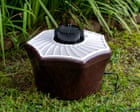
A consumer tested Biogents mosquito traps, devices endorsed by the CDC and WHO for disease vector control, to evaluate their effectiveness in residential settings at a $200 price point.
Biogents manufactures CO2-based mosquito traps designed to mimic human biology and attract Aedes and Anopheles mosquitoes, species responsible for transmitting dengue, malaria, and Zika. The traps work by releasing carbon dioxide and heat to lure females seeking blood meals. Public health agencies including the CDC and World Health Organization rely on these devices for surveillance and control programs in endemic regions.
The reviewer systematically tested the trap after exhausting conventional mosquito prevention methods. Results indicated the device delivered measurable reductions in backyard mosquito populations over several weeks of operation. Effectiveness depended on proper placement near breeding sites and consistent operation during peak feeding hours at dawn and dusk.
Biogents traps operate through a passive collection mechanism using attractants that require regular cartridge replacements and maintenance. The $200 investment represents a significant expense compared to conventional spraying or chemical repellents, but offers pesticide-free control suitable for households with children and pets.
The test revealed practical limitations. Traps perform best in contained outdoor spaces and require multiple units to cover large yards. Weather conditions and mosquito species composition in specific geographic areas affect capture rates. The device generates ongoing costs through replacement cartridges and electricity consumption.
Public health data supports the trap's underlying technology. Studies conducted across Africa and Southeast Asia demonstrate that CO2-based traps reduce disease transmission by targeting host-seeking females before they bite. The CDC has validated Biogents' collection methodology for epidemiological surveillance.
For homeowners seeking non-toxic mosquito control in areas with significant vector populations, the trap represents an evidence-based alternative to conventional approaches. Effectiveness depends on local conditions,