# Bird Flu Poses Ecological Threat Beyond Direct Mortality
Avian influenza now circulates across Australia, raising concerns that extend far beyond infected birds themselves. The virus threatens entire ecosystems by disrupting the ecological services birds provide.
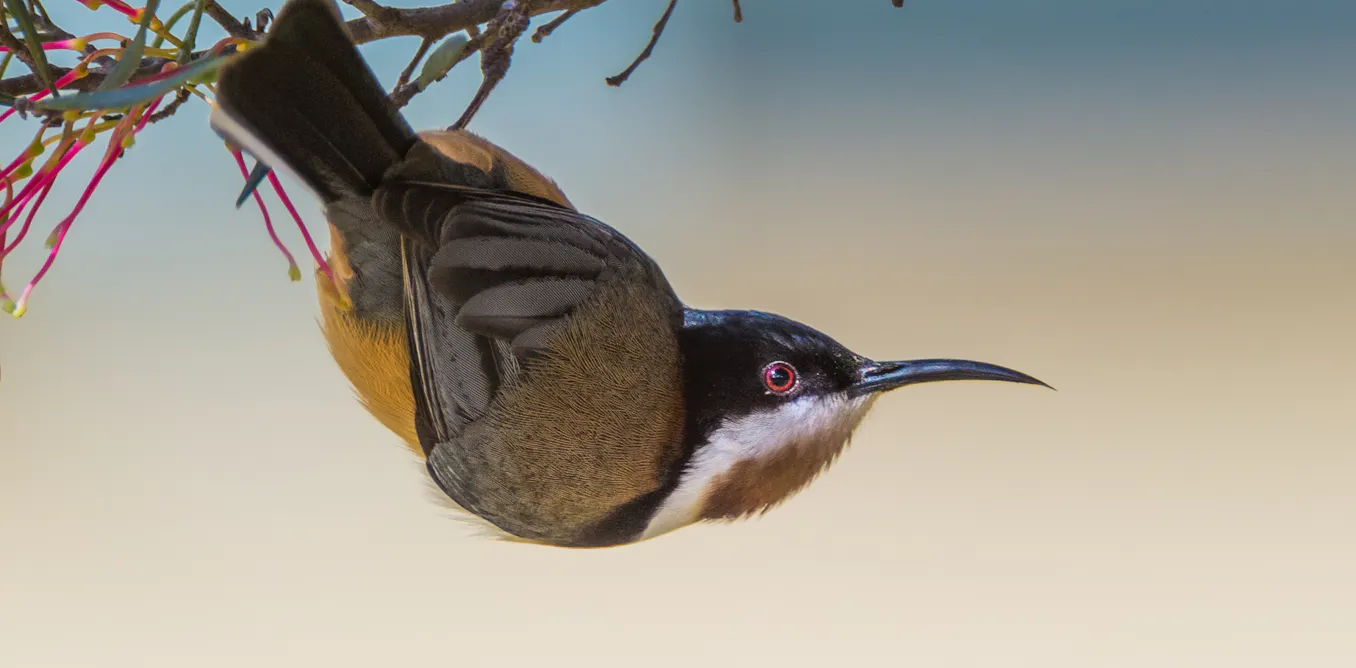
Australia's avian population performs irreplaceable functions. Honeyeaters pollinate native flowering plants across coastal regions and inland areas. Raptors control rodent populations that would otherwise damage crops and spread disease. Seabirds transport nutrients from ocean to land, fertilizing terrestrial ecosystems. Seed-dispersing birds shape forest regeneration and plant diversity across the continent.
When avian flu strikes a population, cascading effects ripple through interconnected food webs. Dead or dying birds remove predators from the food chain, allowing prey species to proliferate unchecked. The loss of pollinating species disrupts flowering cycles and reproductive success in plant communities. Nutrient cycling patterns break down when seabird colonies decline.
Australia's biodiversity already faces pressure from habitat loss, climate change, and invasive species. Bird flu adds another stressor at a critical moment for conservation. Endemic species with small geographic ranges face heightened extinction risk if the virus reaches isolated populations.
Research indicates avian influenza affects not just individual species but ecosystem function at a landscape scale. The Australian Museum and Taronga Zoo have documented infection rates in wild populations, tracking how the virus spreads through migratory corridors and coastal habitats.
Management responses must address both direct disease control and habitat protection. Monitoring programs need expansion to track virus movement across diverse bird communities. Protecting key breeding and wintering sites ensures populations maintain resilience even if disease strikes specific regions.
The threat extends beyond biological concerns into economic territory. Birdwatching contributes billions to Australia's tourism sector annually. Agricultural regions depend on native birds for pest control, reducing pesticide reliance