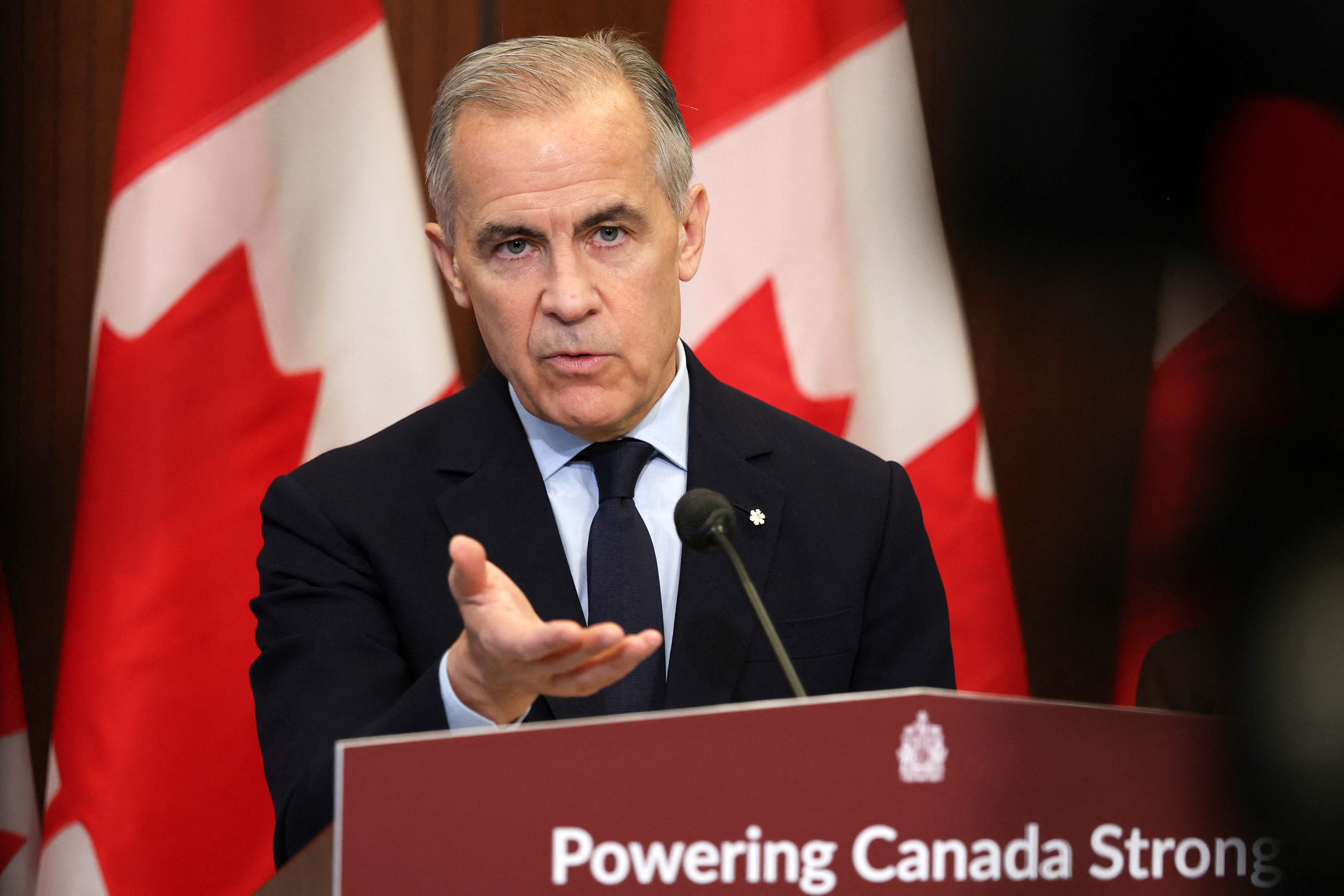
Canada committed Monday to a $70 billion Canadian (US$50 billion) clean energy expansion that will reshape North American power infrastructure. Prime Minister Mark Carney announced the investment as the country's largest clean energy deployment, centering on hydropower and onshore wind projects paired with upgraded transmission systems.
The strategy serves dual purposes. Domestically, the projects will meet Canada's growing electricity demand. Internationally, the country plans to export power to Massachusetts and New York, positioning itself as a major clean energy supplier to the northeastern United States.
The scale reflects Canada's existing hydroelectric advantages and wind resources, particularly in provinces like Quebec, British Columbia and the Prairie regions. The transmission infrastructure component proves critical. Moving renewable power from generation sites to population centers and export markets requires substantial grid upgrades that historically bottleneck clean energy deployment.
This move aligns with broader North American decarbonization efforts. The U.S. Northeast has committed to eliminating fossil fuels from its electricity grid by 2040. Quebec and other Canadian provinces already operate grids powered predominantly by hydroelectricity. Adding wind capacity and transmission connections creates an integrated continental system that can balance regional demand and renewable supply across state and provincial borders.
The timing matters. As the U.S. develops its own wind and solar capacity under the Inflation Reduction Act, Canada positions itself as a complementary energy partner rather than a competitor. Cross-border power transfers smooth demand fluctuations across the continent, reducing reliance on natural gas peaking plants during high-demand periods.
Energy analysts have long advocated for precisely this continental approach. The integration of Canadian hydropower's dispatchability with U.S. solar and wind generation creates a more stable grid. The transmission investments remove a persistent barrier that has limited cross-border power flows.
The investment's success depends on regulatory approval from both Canadian and U.S. authorities. Environmental reviews for major transmission corrid