# Genetic Bottlenecks Threaten Vulnerable Species. Scientists Say Restoration is Possible.
Wildlife populations compressed by habitat loss and hunting often lose genetic diversity, weakening their resilience to disease and environmental stress. Four conservation geneticists writing in The Conversation outline how this threat works and what managers can do to reverse it.
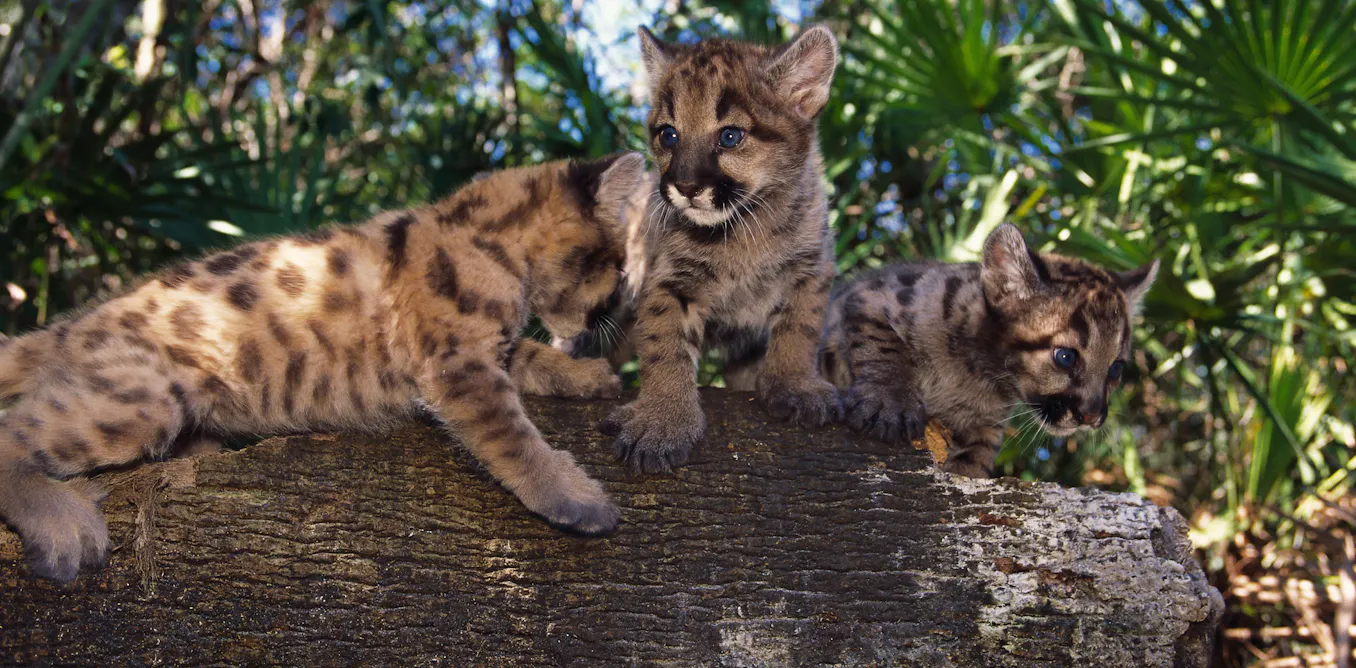
Genetic health refers to the presence of sufficient genetic variation within a population. Small, isolated populations accumulate harmful mutations faster than large ones. Inbreeding depression follows. Researchers document this in species from Florida panthers to Arabian oryx, where centuries of poaching or fragmentation left breeding stock too genetically similar to sustain long-term survival.
The problem accelerates under climate change. Animals with low genetic diversity struggle to adapt to shifting temperatures, disease patterns, and food availability. A population with 50 animals carries far less adaptive potential than one with 5,000.
But restoration remains possible through several strategies. Translocation of individuals between separated populations increases gene flow and reduces inbreeding risk. Genetic rescue, where managers cross populations with healthy variation into threatened ones, has saved species like Arabian oryx from extinction. Assisted reproductive technologies, including cryopreservation of genetic material, allow scientists to reintroduce lost variation decades after collection.
The experts stress that genetic management works best alongside habitat protection. Restoring connected landscapes allows wild populations to maintain diversity naturally. Captive breeding programs, carefully designed with genetic analysis, can rebuild populations before reintroduction.
Conservation agencies increasingly recognize genetic monitoring as essential infrastructure. The U.S. Fish and Wildlife Service and similar bodies worldwide now integrate population genetics into recovery plans. Costs remain modest compared to later-stage extinction response.
The experts emphasize that genetic health is not separate from conservation biology. Population size, habitat quality, and genetic diversity form an interconnected system. Ignoring any