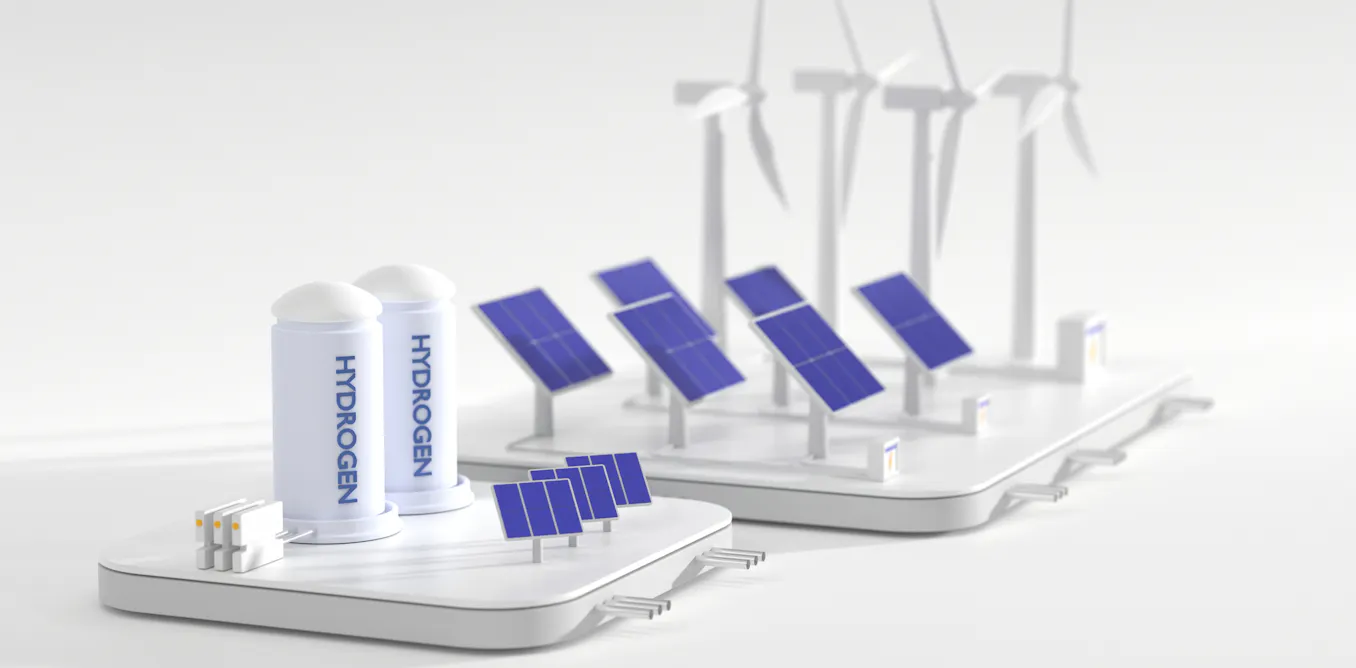
Hydrogen microgrids offer a pathway for remote communities to store renewable energy and reduce diesel dependence. Proponents argue that hydrogen's energy density makes it superior to batteries for long-term storage, particularly in regions lacking grid access. Yet researchers caution that efficiency losses and cost barriers present real obstacles to widespread deployment.
When renewable energy sources like wind and solar generate excess power, electrolyzers can convert electricity into hydrogen gas for storage. During periods of low generation, fuel cells convert stored hydrogen back into electricity. This cycle enables weeks or months of energy storage, compared to battery systems typically rated for hours.
Remote mining operations, island communities, and Arctic settlements represent promising early applications. These areas currently rely heavily on expensive diesel generators, making hydrogen's cost-competitiveness more plausible than in grid-connected regions.
However, the conversion process involves significant inefficiencies. Round-trip efficiency for hydrogen systems ranges from 30 to 50 percent, meaning that 50 to 70 percent of input energy is lost as heat. Battery systems achieve 80 to 90 percent efficiency. Additionally, hydrogen infrastructure requires specialized equipment for compression, storage, and fuel cells, pushing capital costs substantially higher than battery alternatives.
Safety and scaling present additional constraints. Hydrogen's flammability demands robust containment protocols. Manufacturing capacity for electrolyzers and fuel cells remains limited, constraining near-term deployment at scale.
Market projections often overlook these realities. Companies marketing hydrogen microgrids sometimes downplay efficiency penalties or underestimate infrastructure costs. For remote communities, battery storage paired with backup diesel generation may prove more cost-effective than hydrogen systems, depending on local conditions and energy demand profiles.
The technology holds genuine potential for specific applications where long-duration storage justifies the efficiency trade-offs. But hydrogen's role in decarbonizing remote energy systems requires honest assessment of technical limitations alongside its advantages