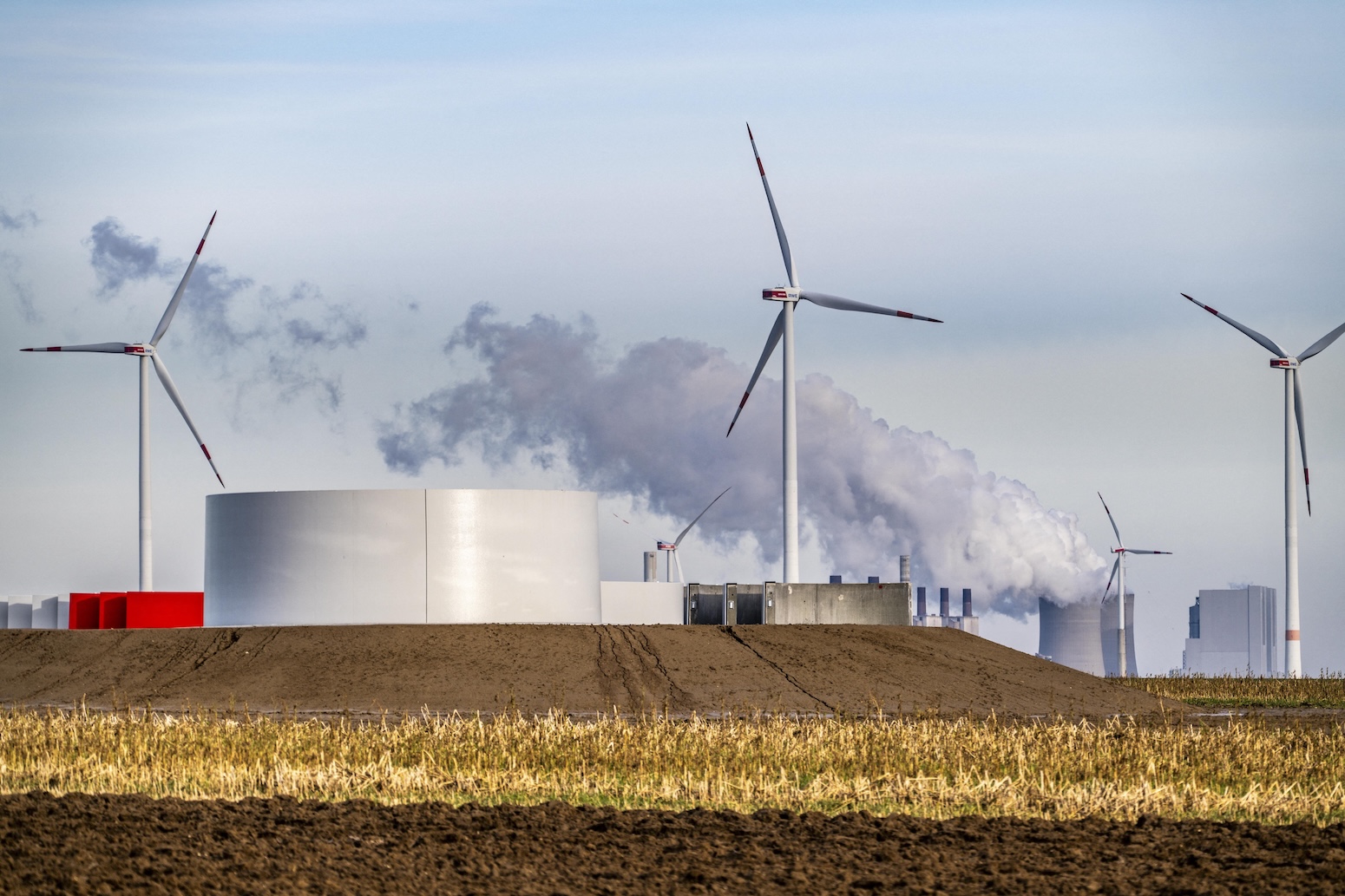
Germany generated more electricity from wind and solar power than from fossil fuels in 2025, marking a watershed moment for Europe's largest economy and a validation of its two-decade shift away from coal and nuclear energy.
Renewable sources combined to supply over 50 percent of Germany's electricity grid for the full year, according to Carbon Brief's analysis. Wind farms generated the bulk of this renewable output, while solar installations provided a growing share. Fossil fuels—coal, natural gas, and oil—fell below the renewable threshold for the first time in the nation's modern industrial history.
This milestone reflects Germany's Energiewende, the federal energy transition strategy launched in the early 2000s. The country has invested heavily in wind infrastructure, particularly offshore installations in the North Sea and Baltic Sea, as well as distributed rooftop solar across residential and commercial properties. These investments have accelerated since 2022, when Russia's invasion of Ukraine exposed Germany's dependence on Russian natural gas.
Coal consumption has declined sharply. Germany still operates some coal plants but has scheduled closures as renewable capacity expands. The phase-out of nuclear power, completed in 2023 after the Fukushima disaster, initially raised concerns about electricity gaps. Renewables have filled that gap more quickly than many analysts predicted.
Grid operators managed the transition through improved battery storage, demand management systems, and interconnections with neighboring nations. When German wind output drops, imports from Scandinavia and France help balance demand. This regional interdependence underscores the continental nature of Europe's energy transition.
The 2025 result carries policy weight. Germany aims to source 80 percent of electricity from renewables by 2030 and achieve climate neutrality by 2045. This renewable milestone suggests those targets are within reach, though challenges remain. Industrial electricity demand continues growing, particularly from data centers and manufacturing. Expanding transmission