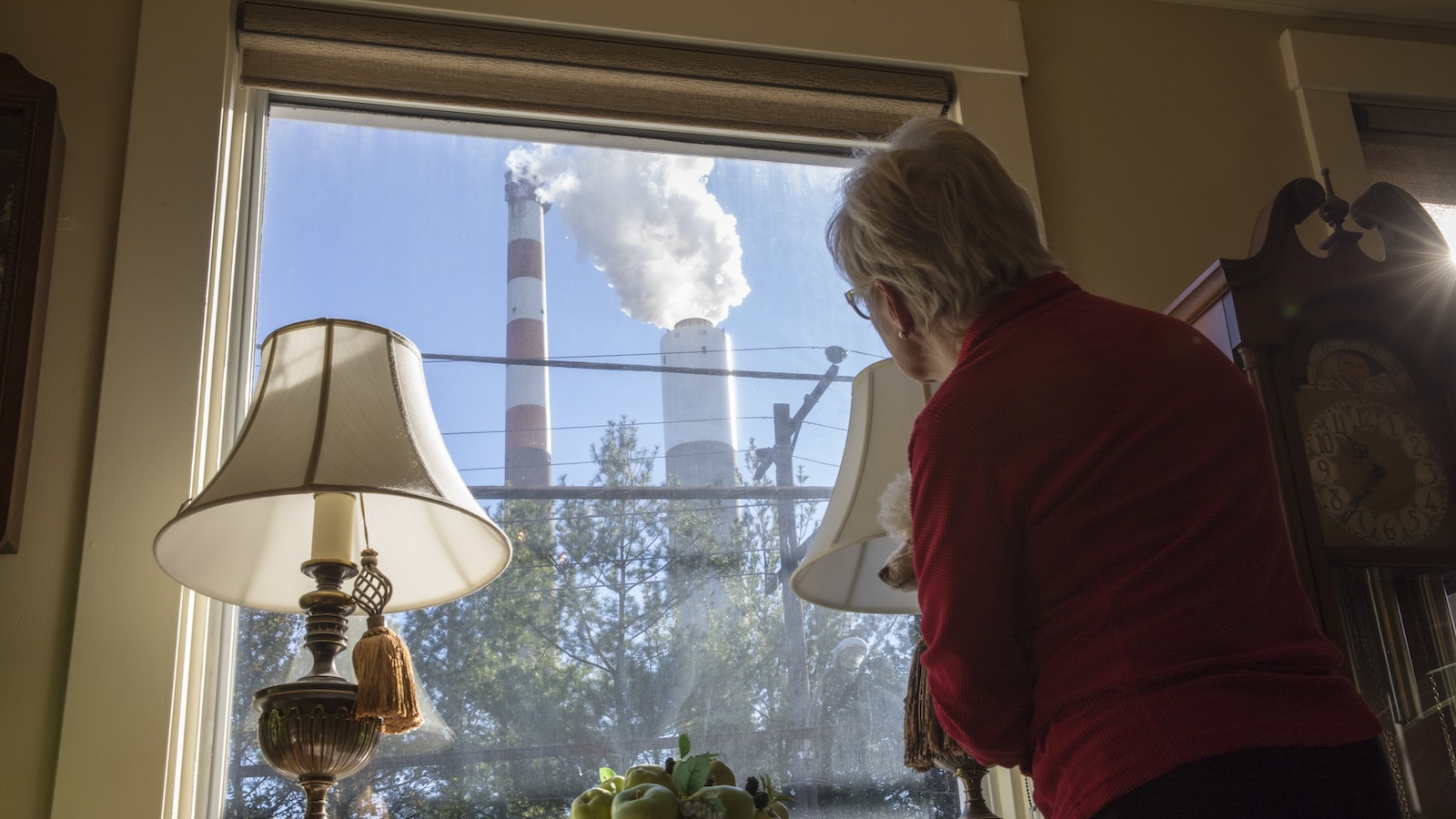
The Environmental Protection Agency's cancer risk data from air pollution has become unavailable this year, cutting off a critical tool that communities have used to monitor industrial emissions and hold polluters accountable for health threats.
The EPA historically published detailed estimates of cancer risk posed by air pollutants in specific geographic areas, allowing residents and advocacy groups to identify pollution hotspots and pressure companies to reduce emissions. This year, that data disappeared from public view, creating what researchers and environmental advocates describe as a significant transparency gap.
The timing coincides with policy shifts within the EPA under the current administration. The agency has not issued a formal statement explaining the data removal or outlining when the information might return. Environmental groups say the absence undermines decades of precedent built on making pollution science accessible to the public.
Cancer risk from air pollution remains a documented threat. Fine particulate matter, diesel exhaust, and industrial compounds like benzene pose measurable carcinogenic risks, particularly in low-income neighborhoods and communities of color that often border refineries, highways, and manufacturing facilities. The EPA's risk assessments quantified these dangers at the neighborhood level, providing residents with concrete evidence of health exposure.
Without this data, communities lose a mechanism for environmental justice advocacy. Local groups cannot easily compare cancer risk across regions, identify which facilities contribute most to exposure, or build evidence-based arguments for stricter emission controls. Researchers who track air quality trends also face barriers to analysis.
The data removal raises questions about the EPA's commitment to environmental transparency and public health protection. Congressional Democrats have expressed concern about the change, but the agency has not committed to restoring access. Environmental health experts argue that hiding this information does not reduce actual cancer risk from pollution. It only prevents communities from knowing and acting on the threat.
For decades, this data represented a democratic tool. Its absence signals a retreat from accountability measures that have shaped industrial pollution policy since the Clean Air Act amendments of 1