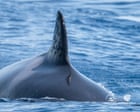
Spanish authorities have launched an investigation after Toñi, the matriarch of an endangered orca pod operating off the Iberian Peninsula, was spotted with wounds consistent with pellet gun shots. The Spain environment ministry confirmed the sighting in the Strait of Gibraltar on Friday, noting markings on her dorsal fin that aligned with ballistic injuries.
Toñi leads a small population of orcas known for ramming and jostling vessels in the region, behavior that has created tension between the marine mammals and the fishing and boating communities. The discovery of her injuries has escalated concerns about deliberate harm to the species.
Marine conservationists have condemned any intentional shooting as an act of extreme cruelty against an already vulnerable population. The Iberian orca population numbers only around 50 individuals and faces threats from ship strikes, fishing net entanglement, and limited food sources. The population's ramming behavior, while dramatic, reflects their struggle to survive in increasingly stressed waters.
Spain's investigation represents a critical juncture for the species. Intentional harm to protected marine wildlife violates European Union and Spanish wildlife protection laws. The offense carries potential penalties for anyone found responsible.
The incident underscores the complex relationship between human activities and marine conservation in the Mediterranean and Atlantic waters near the Strait of Gibraltar. While some boat operators view the orcas as threats, the animals' behavior stems largely from desperation rather than aggression. Conservation experts have long argued that protecting their habitat and food sources offers a more sustainable path forward than confrontation.
Toñi's condition and survival status remain unclear. Her injuries, if untreated, could compromise her ability to lead the pod and hunt effectively. The case highlights how human-wildlife conflict, even in waters under international oversight, can escalate into direct violence against endangered species.