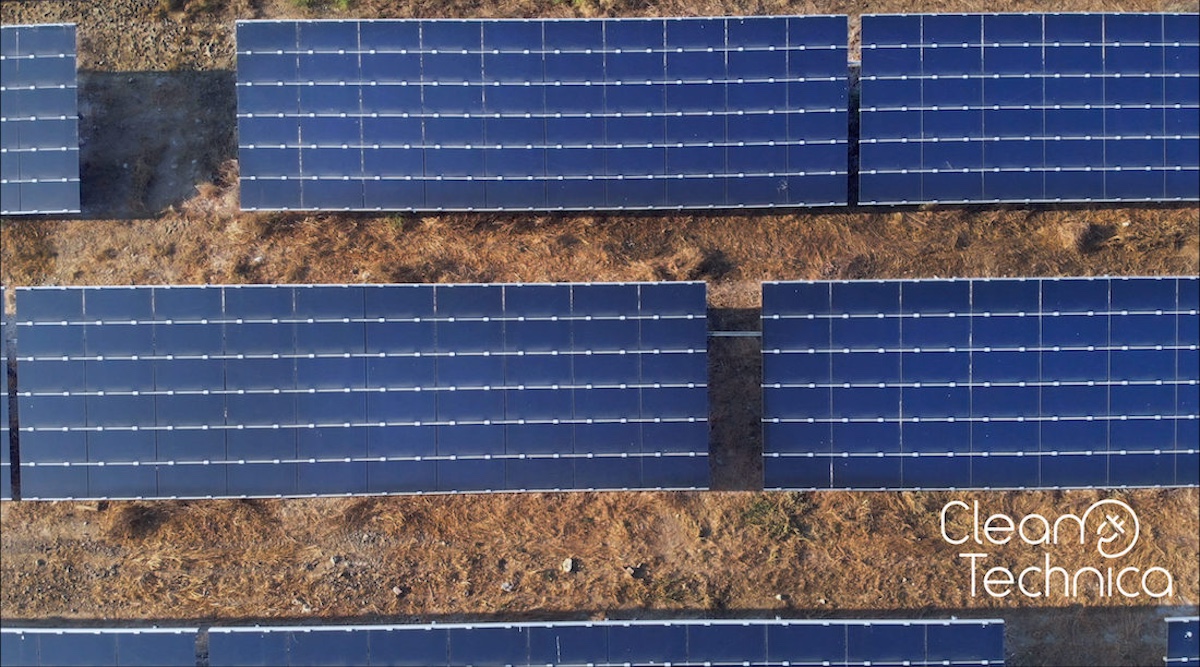
Europe's renewable energy capacity is permanently reducing demand for natural gas, a shift accelerated by Russia's 2022 invasion of Ukraine and now cementing structural changes to the continent's energy system.
Before the invasion, Europe imported approximately 40 percent of its natural gas from Russia, making the continent vulnerable to supply disruptions and price volatility. The conflict severed those flows, forcing EU policymakers to pursue aggressive alternatives. Rather than rebuild dependency on Russian gas, European nations have doubled down on wind and solar deployment, fundamentally altering long-term energy calculations.
The results are measurable. As renewable generation capacity expanded across the EU, utilities and energy planners began retiring gas-fired power plants ahead of schedule. New gas infrastructure projects, once standard planning exercises, now face political and financial headwinds. Banks and energy companies recognize that peak gas demand in Europe has likely already occurred. The continent's renewable capacity additions in 2024 and 2025 continued accelerating, with wind and solar generating record shares of electricity in multiple EU nations.
This structural decline in gas demand operates independently of temporary price fluctuations. Even as liquefied natural gas (LNG) imports initially spiked to replace Russian supplies, the economic logic shifted. Renewable electricity costs have fallen below operating costs for many existing gas plants. New renewable projects compete directly with new gas capacity on price alone, without accounting for carbon pricing or regulatory preferences. The result: utilities select renewables.
Germany exemplifies this transition. The nation pioneered the move away from Russian gas while simultaneously accelerating its Energiewende energy transition. By 2024, German renewable sources generated more than 60 percent of annual electricity. Parallel developments in Denmark, Spain, and other EU nations show consistent patterns. Natural gas consumption in the European Union fell approximately 15 percent between 2021 and 2024, driven primarily by electrification and renewable deployment.
The geopolitical dimension remains consequential. The Ukraine conflict removed political obstacles to rapid renewable investment that previously existed in some EU capitals. It also signaled that gas dependency creates national security risks. This recognition motivated governments to accelerate timelines for renewable deployment and grid modernization. What might have taken 15 years of gradual transition could compress into 8 to 10 years under current policy trajectories.
Natural gas retains a role in Europe's energy system, particularly for industrial heat and as a backup during periods of low wind and solar output. However, the scale of that role continues contracting. Storage facilities, once positioned to buffer Russian supply interruptions, now serve seasonal balancing functions for renewable-dominated grids. Hydrogen development, powered by excess renewable capacity, offers another pathway to reduce remaining gas demand in industry and heating.
The employment and investment implications ripple across the energy sector. Gas infrastructure workers face declining job prospects in new projects. Renewable energy sectors absorb labor, but geographical mismatches create transition challenges in traditional energy regions. Energy companies must reallocate capital from gas expansion to renewable and grid projects to remain competitive.
Europe's methane demand will not disappear immediately. The transition operates on a timeline of years, not months. However, the trajectory has solidified. The continent will not reconstruct gas dependency after the Ukraine conflict concludes. Investment patterns, policy frameworks, and technological costs now all point toward a permanently smaller role for natural gas in European energy supply.