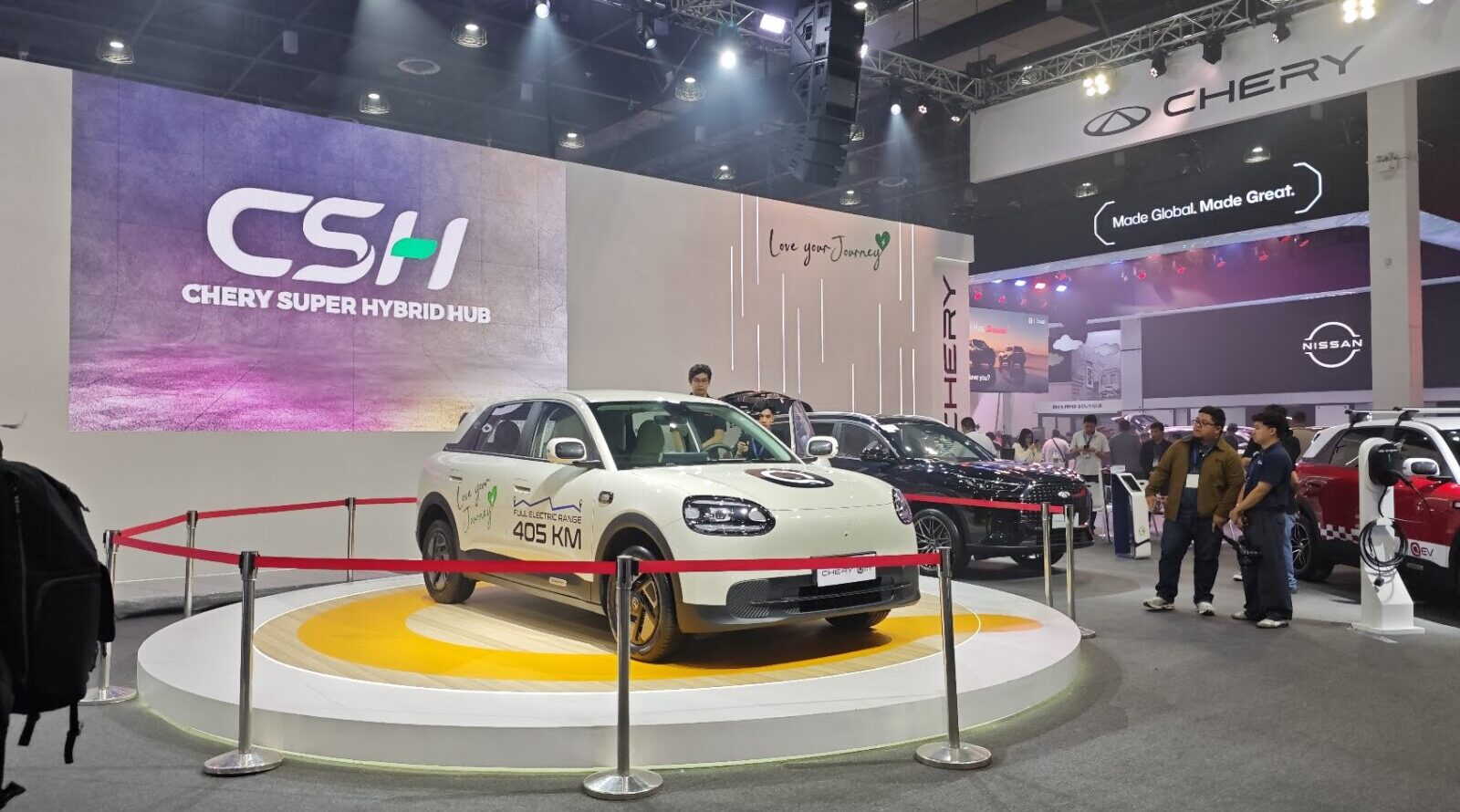
Chinese automaker Chery has acquired a Nissan manufacturing facility in Africa, marking an aggressive expansion of Beijing-backed EV producers into global markets as domestic competition intensifies.
The purchase comes as China's electric vehicle sector faces a critical pivot. In June 2026, Chinese manufacturers sold 685,000 pure-electric vehicles, representing 43 percent of the country's total auto sales. Yet 2026 marks a slowdown year for the domestic market. Facing saturation at home, Chinese EV companies have accelerated their international push to maintain growth trajectories.
Chery's acquisition of Nissan's African operations reflects a broader strategic shift. China controls approximately 60 percent of global EV battery production and 50 percent of raw mineral processing for lithium and cobalt. These supply-chain advantages position Chinese automakers to undercut competitors on cost and scale production rapidly in new markets.
The factory transaction carries geopolitical weight. Nissan has retreated from several African operations over the past five years as Japanese automakers struggle with EV transition costs and legacy manufacturing footprints. African nations represent untapped consumer markets with minimal EV infrastructure but growing electricity access. Ghana, Kenya, Nigeria, and South Africa have all begun importing Chinese EVs at prices 30 to 50 percent lower than traditional manufacturers' offerings.
Chery, headquartered in Wuhu in Anhui Province, ranks among China's top five EV exporters. The company shipped 682,000 vehicles globally in 2025, up 95 percent year-on-year. Its acquisition of Russian carmaker Avtovaz operations in 2022 demonstrated willingness to buy distressed assets in sanctioned markets. The African factory purchase follows the same playbook.
The deal signals Chinese confidence in African demand despite infrastructure gaps. BYD, another Chinese EV manufacturer, has opened battery plants in Tanzania and Egypt. Great Wall Motor established operations in Kenya and Thailand. State-backed funding from China's Belt and Road Initiative has financed port upgrades and highway construction across the continent, creating logistics networks that support automotive distribution.
Western regulators increasingly scrutinize these moves. The European Union launched investigations into Chinese EV subsidies in 2023. The United States implemented tariffs exceeding 100 percent on Chinese vehicles. Neither barrier applies to Chinese exports destined for African markets, where tariff walls remain low and trade agreements favor Chinese firms.
Nissan's exit from the African factory represents a broader retrenchment by Japanese manufacturers. Toyota and Honda have reduced African production capacity by 12 percent since 2023. These companies struggle with EV battery sourcing costs and lack the vertical integration that Chinese firms possess.
The Chery acquisition likely includes manufacturing equipment, land, and workforce operations valued at approximately $200 million, though exact terms remain undisclosed. Production timelines suggest vehicles could reach regional markets within 18 months.
This transaction exemplifies a structural shift in global automotive power. Chinese EV makers exploit manufacturing cost advantages, battery supply control, and government export financing to capture emerging markets that traditional automakers are abandoning. African nations gain access to affordable electric transportation while accepting Chinese industrial dominance in a technology sector likely to define 21st-century mobility.