# Florida Blocks Lawsuits for Residents Exposed to Radioactive Contamination From Phosphate Mining
Florida has moved to restrict legal claims filed by residents living on contaminated land surrounding former phosphate mining operations, effectively shielding the mining industry from accountability for radioactive exposure on their properties.
The state's action directly impacts thousands of Floridians whose homes sit atop or adjacent to phosphogypsum stacks, massive waste byproducts from phosphate extraction that contain radium-226, radium-228, and polonium-210. Phosphate mining in Florida produces approximately 30 million tons of phosphogypsum annually, creating an estimated 2 billion tons of accumulated waste stored in stacks across central Florida.
Andy Mele, an environmental health researcher, documented cases of residents reporting severe health effects including lesions, tumors, and metabolic dysfunction consistent with chronic radioactive exposure. One resident Mele encountered displayed physical deformations he attributed to radiation sickness. The cases Mele examined involved residents whose properties bordered mining sites in Polk County and Hillsborough County, areas with the highest concentration of phosphate operations in the nation.
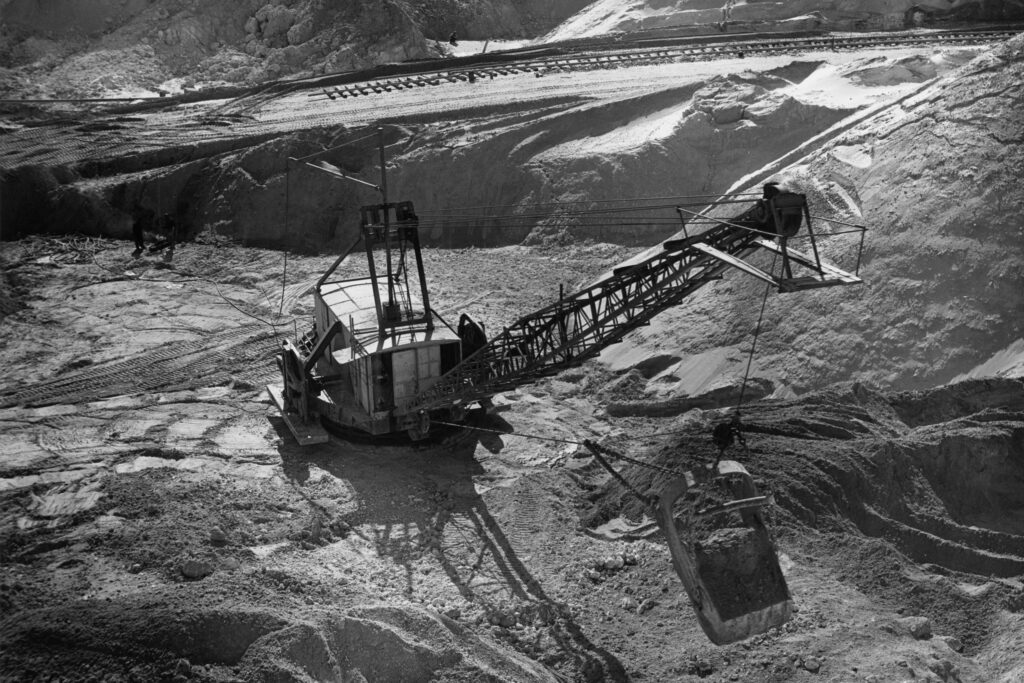
Phosphate mining generates phosphogypsum as a byproduct when miners process rock phosphate to extract phosphoric acid for fertilizers. The waste contains naturally occurring radioactive elements concentrated during processing. The U.S. Environmental Protection Agency established a 25 meter setback requirement from phosphogypsum stacks to residential areas in 1989, though enforcement remains inconsistent. Florida's Department of Environmental Protection acknowledges that radium concentrations in groundwater near some stacks exceed EPA drinking water standards by up to four times.
The litigation barrier arrives as Florida faces pressure from the fertilizer industry, which generates over 1 billion dollars annually for the state economy. Phosphate corporations argue that legacy contamination claims threaten company solvency and investment. The state legislature, which receives substantial campaign contributions from mining interests, moved to limit discovery in radiation exposure cases and impose stringent proof standards requiring plaintiffs to demonstrate direct causation between exposure and illness.
This creates a documentation problem. Radioactive contamination operates across decades, with latency periods for radiation-induced cancers and thyroid disease stretching 10 to 40 years. Residents cannot easily trace current illnesses to specific exposure windows. Phosphate companies have historically resisted releasing internal environmental monitoring data, complicating causation arguments residents must now construct under stricter legal standards.
The EPA maintains jurisdiction over phosphogypsum storage but has not issued new regulations since 2008. Florida's phosphate industry continues operating with state-level permits that researchers argue underestimate radium migration rates through sandy Florida soils. Hydrogeological studies show radium transport faster than industry models predict, reaching private wells within two to five years rather than the 10 to 15 year timeframes mining permits assume.
Residents in contaminated areas now face a compounded burden. They cannot easily remediate radioactive soil on private property. They face legal obstacles pursuing corporate accountability. Meanwhile, state regulators have systematically weakened enforcement capacity in phosphate mining oversight over the past decade, cutting DEP staff by 12 percent between 2015 and 2023.
The restriction represents a significant policy shift favoring industry over resident health. Contaminated communities lose the primary mechanism for forcing corporate disclosure of internal safety data, funding independent health studies, and obtaining compensation for medical treatment.